Unpleasant Odor During Your Period: We Tell You Everything.
During our periods, we sometimes feel bothered by our odor, especially when wearing external protection. We then wonder if the menstrual product is the cause, or if there is "a problem" with us. First, it’s important to know that our vagina naturally has a scent, and that it changes during menstruation. The key is to make sure the odor is not caused by an infection. Next, there are certain habits to adopt (and avoid) daily. And most importantly, choosing the right menstrual protection. Let’s take a closer look.

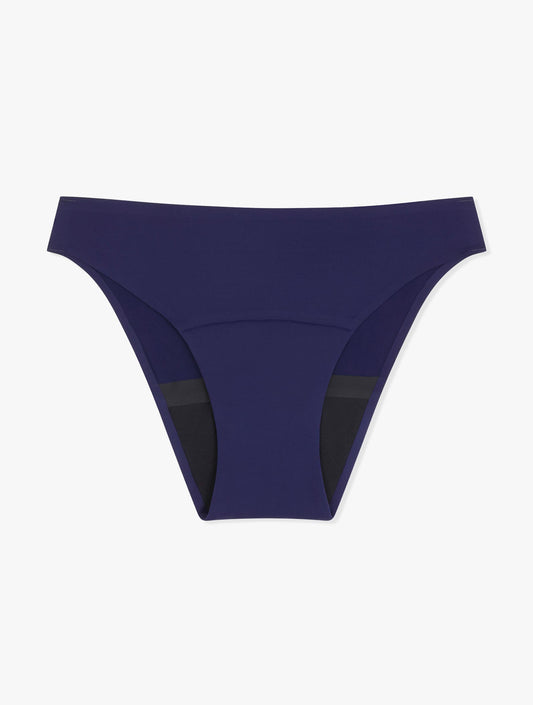
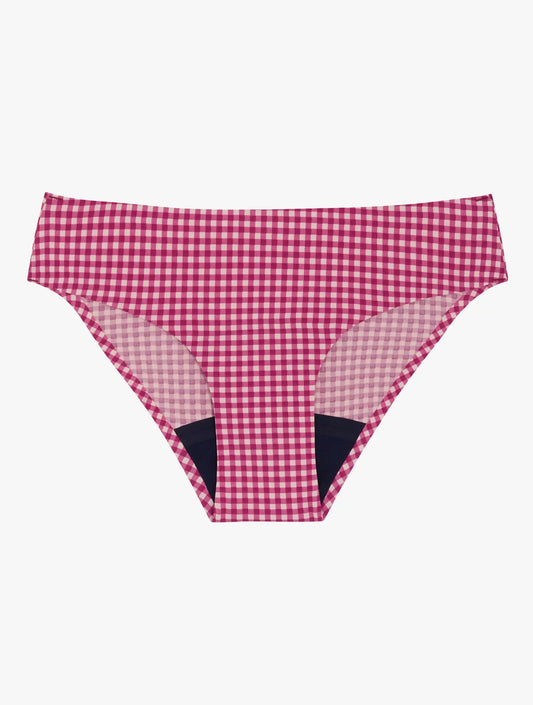
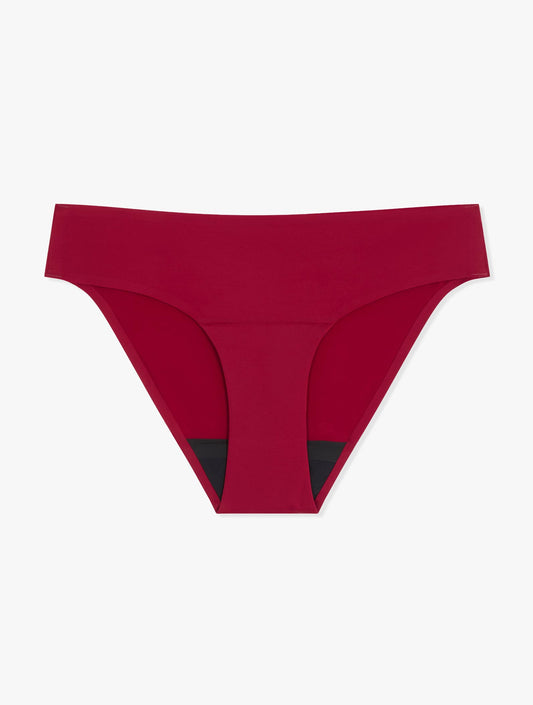


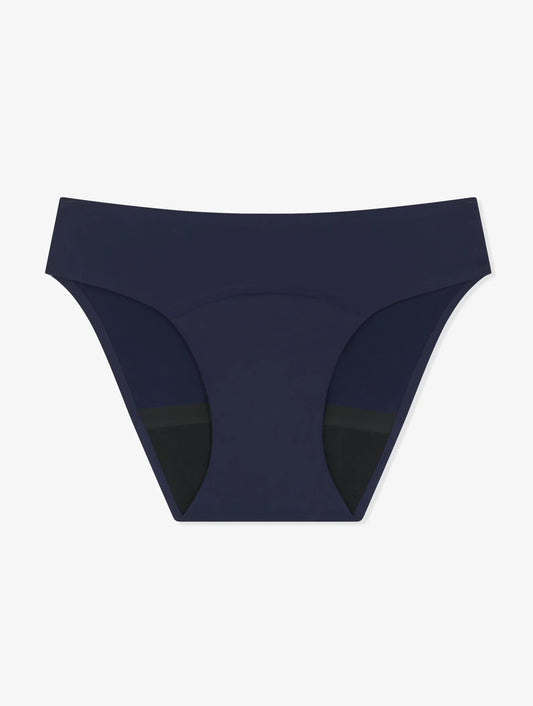
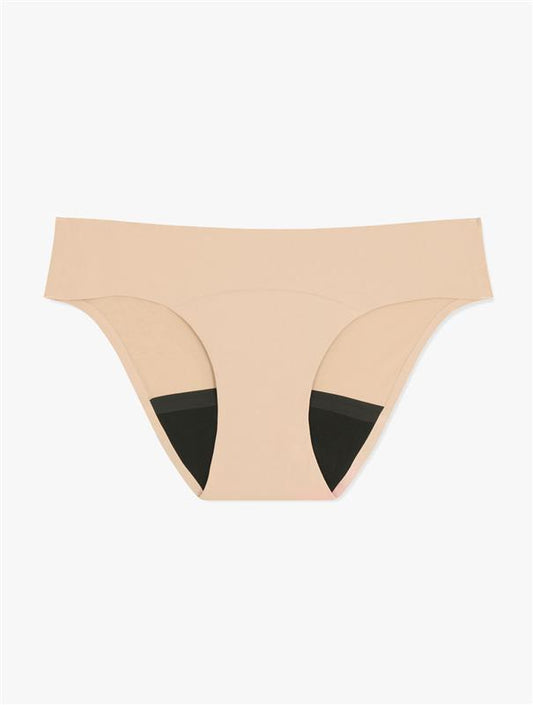
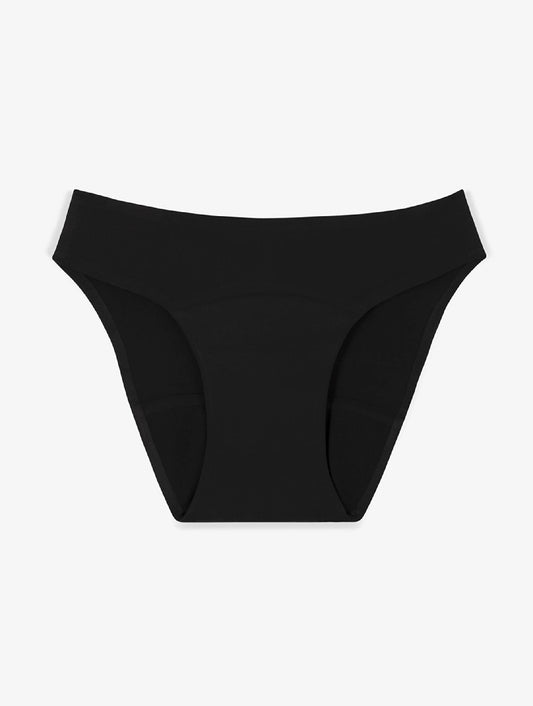
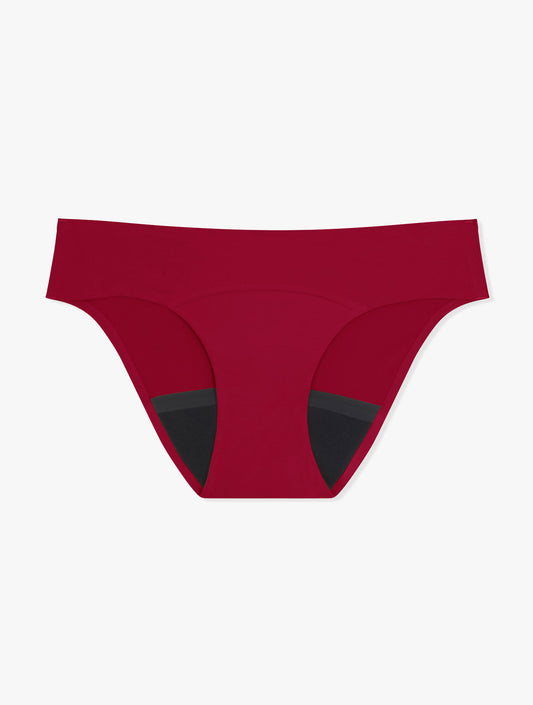
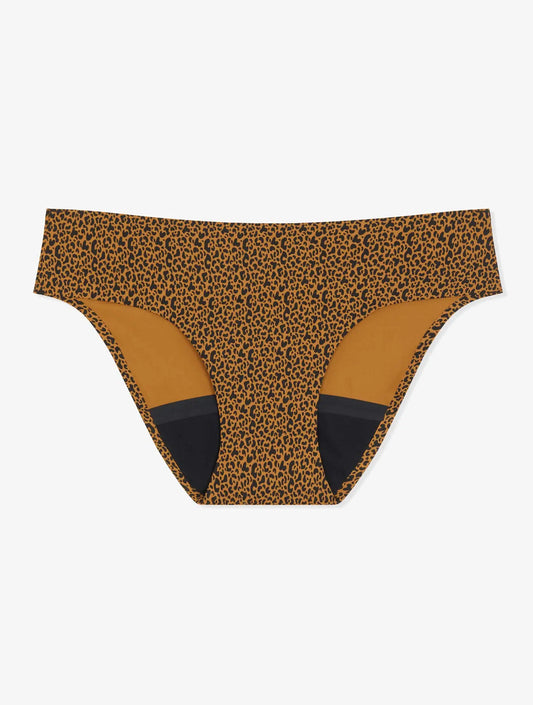
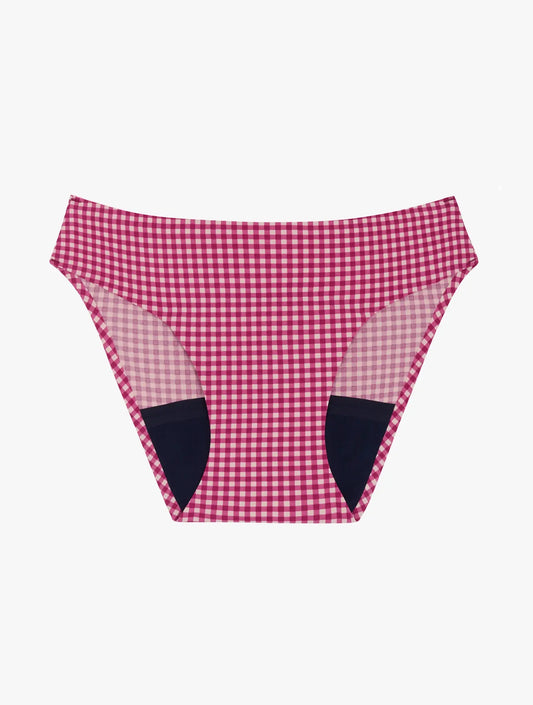
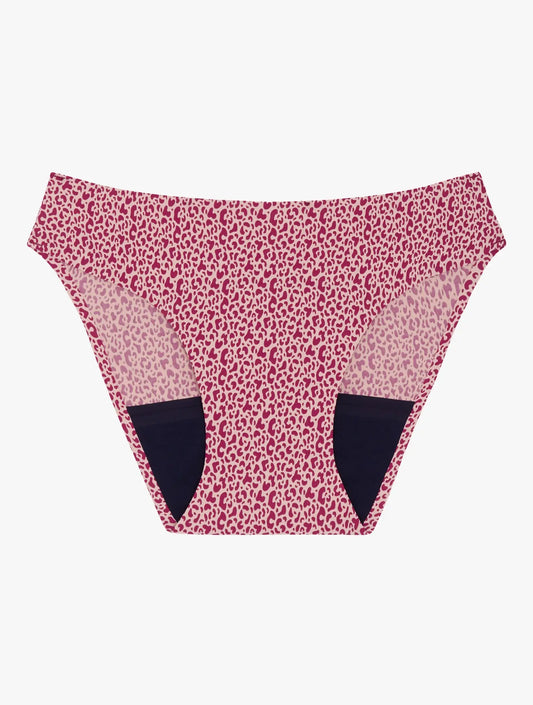
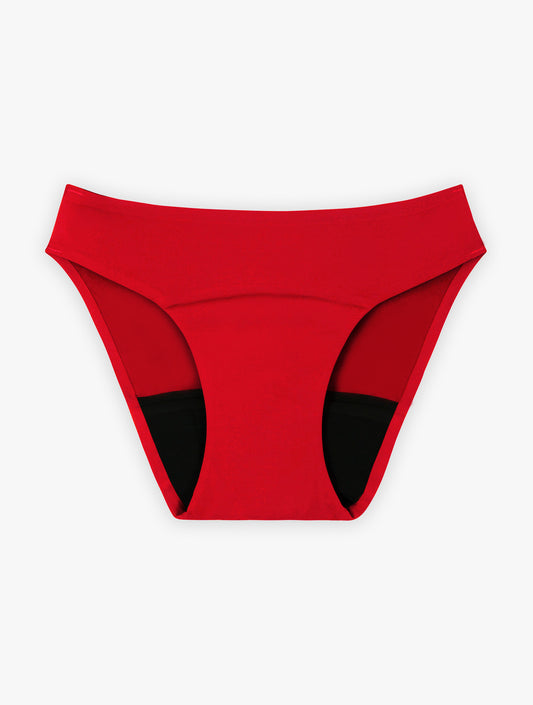
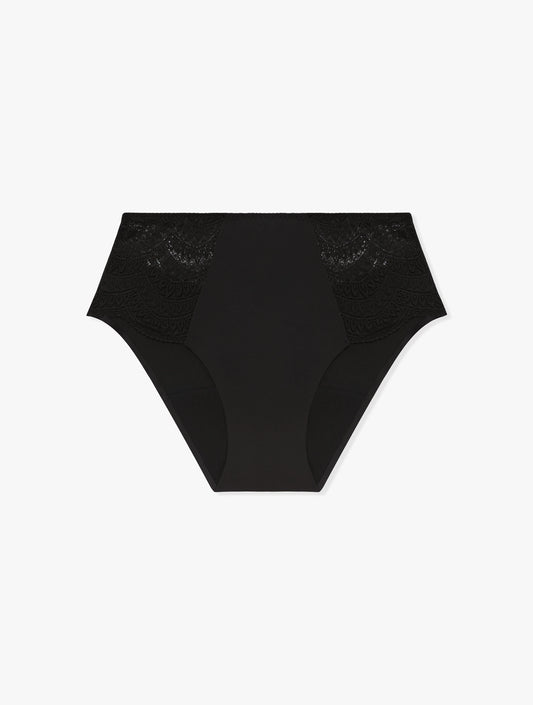
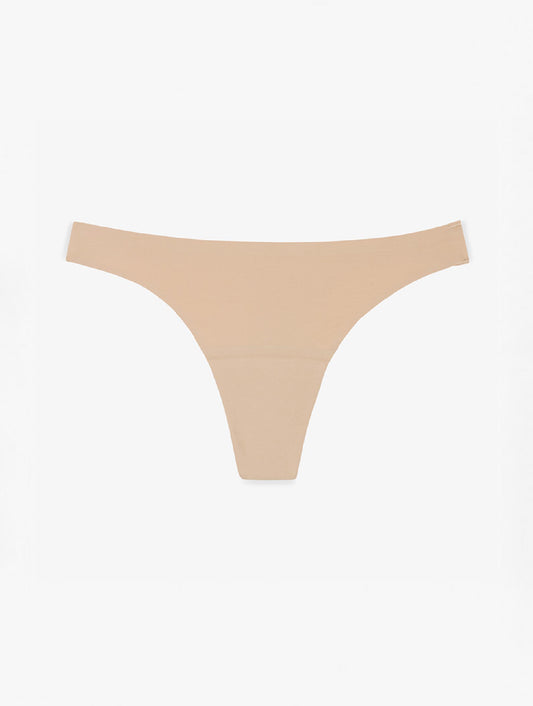
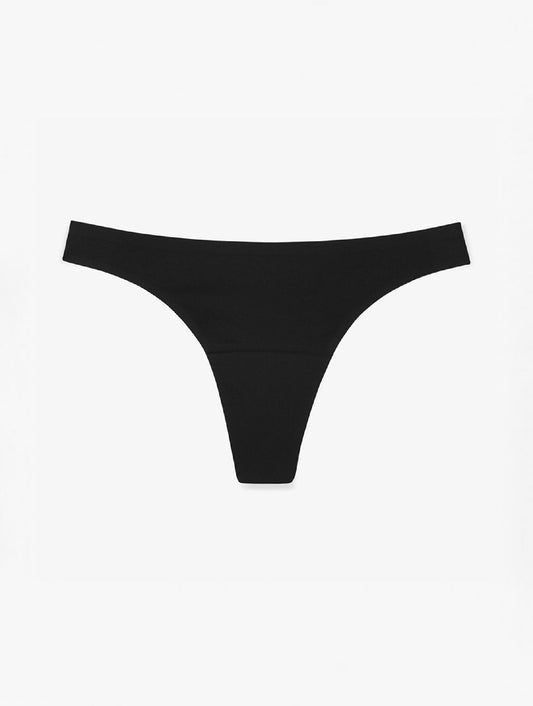
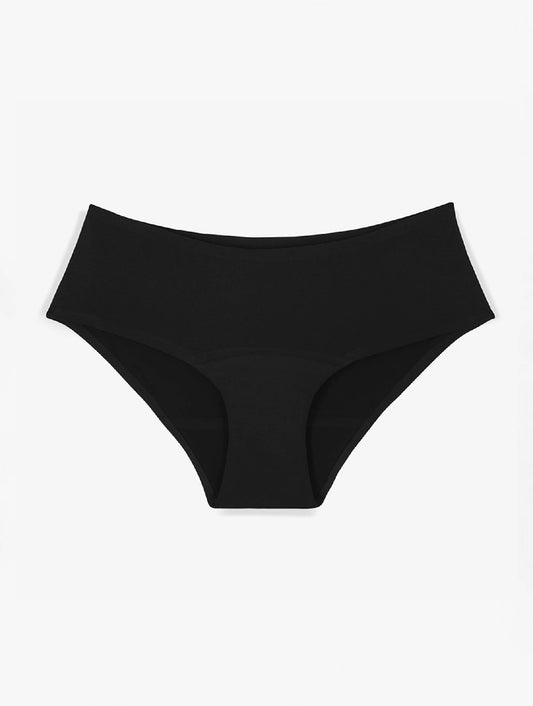
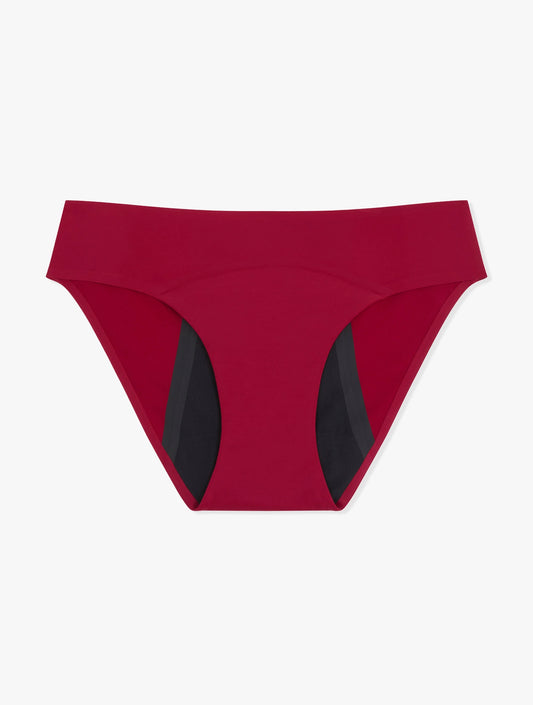
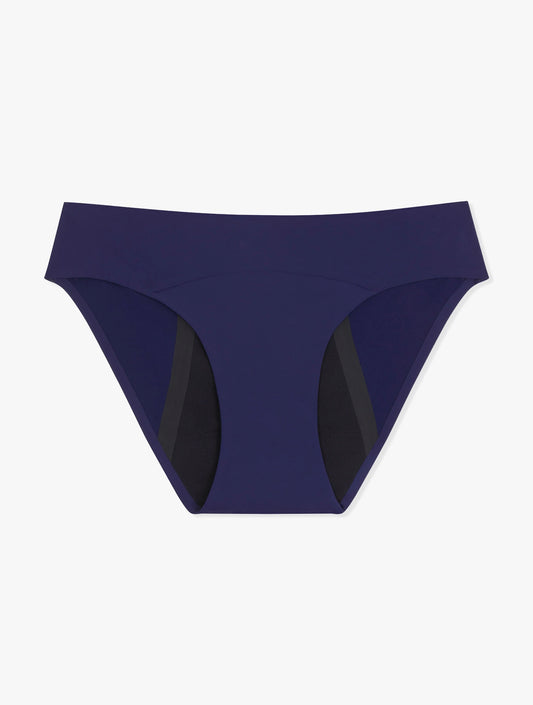
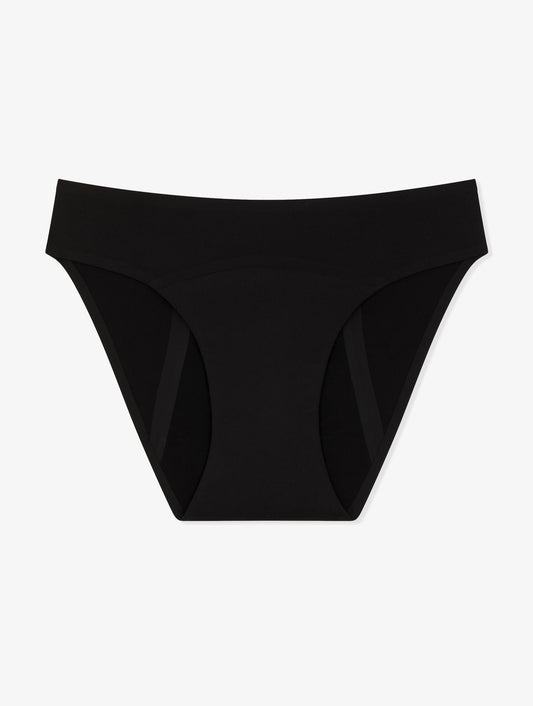
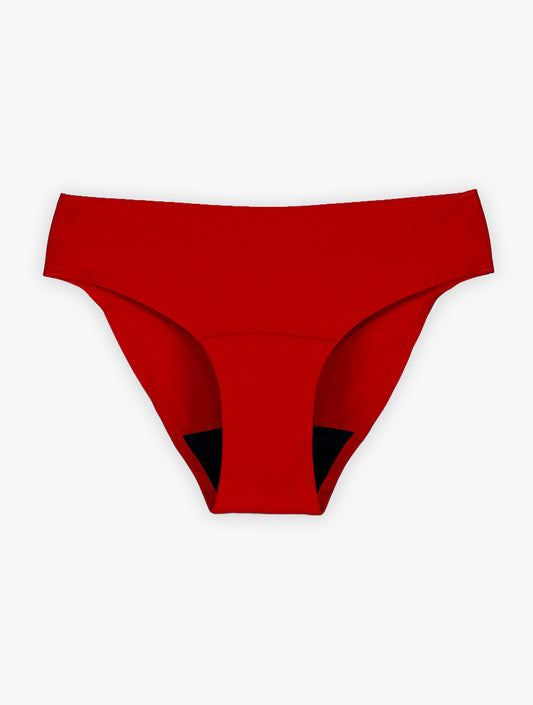
Comfortable and effective SMOON menstrual panties!
Menstrual Blood… Is Not Just Blood
The blood flowing through our arteries is made up of plasma, a salty fluid carrying white blood cells, red blood cells, and platelets. Menstrual blood contains this same blood, but also "dead" fragments of our endometrium (the lining of our uterus), secretions from the cervix and vagina, cells from the vaginal lining, and bacteria that make up our vaginal flora. It’s therefore normal that menstrual blood doesn’t smell like the blood you notice when you cut yourself. There is a metallic scent due to the iron in the blood, but also the normal smell of bacteria being expelled, which varies from woman to woman and depends on the pH of her vaginal flora. The odor will be stronger the longer the blood stays in the uterus before being expelled.
Natural Odor...
Every woman has her own "aroma," her natural vaginal scent when the vagina is healthy. Ranging from soft, salty, tangy to musky, it can also vary throughout the month or with activities. Sometimes it resembles the smell of bread or beer due to the good yeasts in our flora, more metallic near the period, slightly "bleachy" after sex, onion-like after sports… our vaginal scent even subtly changes depending on what we eat! For example, it’s sweeter when we eat a lot of citrus fruits. Our vaginal scent is also slightly reminiscent of the sea, which is natural too. We don’t smell like roses (everyone knows that and there’s no shame in it).
… VS Vaginal Infection
However—whether during your period or not—if your odor becomes very strong, especially like rotten fish, it’s likely a bacterial vaginosis. This infection is caused by an imbalance in the natural pH of the flora, allowing a harmful germ, Gardnerella, to grow. This infection, like yeast infections, is mild and can be treated with antibiotic suppositories and antifungal creams prescribed by your gynecologist. Be careful, a bad odor can also be caused by forgetting a tampon inside the vagina and may signal toxic shock syndrome. If you have any doubt, go to the emergency room immediately.
A strong odor after sex can be caused by vaginosis, but also by the smell of semen coagulating deep in the vagina, which produces a particular scent as it flows out.
Our Tips to Reduce Vaginal Odors
The first rule to reduce vaginal odors is to take care of your flora. Indeed, bacteria are the main cause of odors that may bother you, outside of infections. A balanced vaginal flora means an acidic pH between 3.8 and 4.5, regulated by a good bacterium: lactobacillus. If you suffer from recurring vaginosis or yeast infections, you can prevent them by regularly taking lactobacillus treatments (in the form of gels or vaginal suppositories) and by eating more plain yogurts that contain them. Next, make sure to stay dry by wearing underwear that absorbs sweat (preferably cotton), and rinse your vulva without soap regularly during your period to eliminate bacteria. The rest of the time, use a soap with a neutral pH.
Here’s also what you should absolutely avoid to prevent the odors that bother you:
- vaginal douches, which damage the flora (the vagina is a wonderful self-cleaning mechanism)
- scented gels or soaps (these fragrances disrupt the intimate pH)
- excess sugar and alcohol, which create a favorable environment for germs involved in yeast infections or vaginosis
… choose the right menstrual protection!
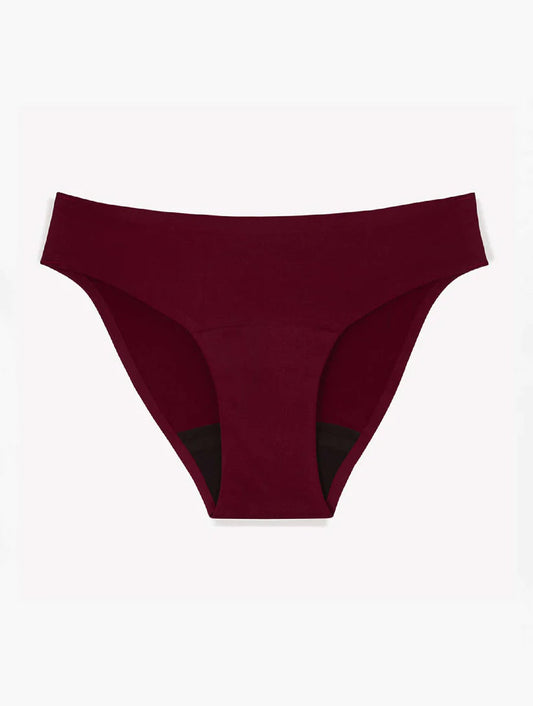
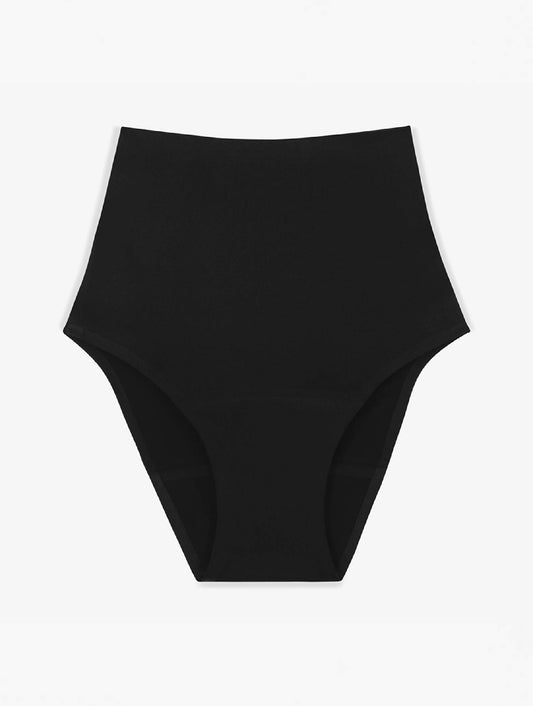
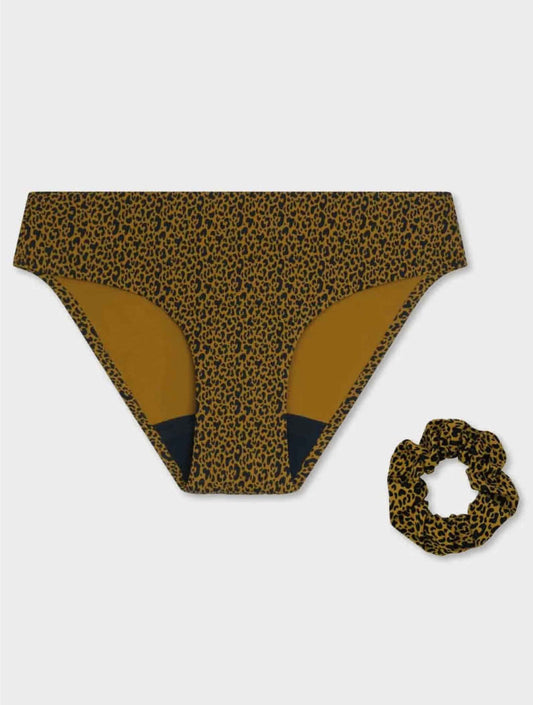
As we saw above, menstrual blood contains bacteria and cells responsible for certain natural odors. To reduce them and avoid any maceration, it’s important to change your menstrual protection every 4 hours if it’s disposable. You should know that most sanitary pads and tampons contain chemicals harmful to vaginal flora. The best choice is therefore organic protection. Even better, washable protection (and zero waste) made with moisture-wicking and antibacterial fabric. Smoon period panties use innovative technology certified OEKO-TEX® STANDARD 100, a global label guaranteeing a product free of harmful chemicals. They also feature an anti-odor technology containing silver thread, known for destroying bacteria responsible for unpleasant odors! Our panties respect your vaginal flora and minimize odors caused by bacteria in menstrual blood.
The same goes for our menstrual swimwear... and our teen menstrual swimwear. A scent may appear at the end of the day that is not caused by our panties but by each woman’s natural vaginal odor. We repeat, it’s normal, natural—our vagina has its aroma and we don’t eliminate it :)
Finally, remember to clean your period panties well after use to neutralize any possible odors.
By Élise