Genital herpes: symptoms, transmission, and treatments
This article is informative and does not replace a consultation. Genital herpes cannot be self-diagnosed: only a doctor can confirm the infection, often by testing. In case of doubt, lesions, or unprotected intercourse, consult a doctor.
Genital herpes remains one of the most widespread sexually transmitted infections and one of the most taboo. Many people carry it without knowing, and many others confuse a first outbreak with a yeast infection or simple irritation.
Here is what official French sources say, without dramatizing or minimizing: how to recognize it, how it really spreads, what relieves during an outbreak, and what current treatments offer.
Genital herpes is a chronic viral infection, common and not serious for general health, but it cannot be definitively cured. The virus remains in the body and can reactivate.
- Frequency: 15 to 20% of the sexually active population in France, especially between 25 and 35 years old.
- Recognize: tingling or burning sensations as warnings, then small grouped vesicles that give way to painful ulcers.
- Transmission: only through direct and intimate contact. Not through toilets or swimming pools.
- Key point: transmission often occurs outside of outbreaks, without any visible lesions.
- Treatment: antivirals reduce the duration and frequency of outbreaks. The HAS updated its recommendations in 2024.
- During an outbreak: loose clothing, cotton underwear, no sexual intercourse during the eruption.
What is genital herpes
It is a viral sexually transmitted infection, recurrent, which manifests as lesions on the genital organs, perineum, or anal area. It affects both men and women.
Two viruses, HSV-1 and HSV-2
Genital herpes is caused by the Herpes simplex virus, which exists in two types.
- HSV-2 is historically the virus of the lower body, and therefore of genital herpes.
- HSV-1 is the virus responsible for oral herpes, the famous cold sore. The Health Insurance notes that it is increasingly responsible for genital infections, especially through oral-genital contact.
Once contracted, the virus never leaves the body. It goes dormant in a nerve ganglion near the spinal column and can reactivate later. This explains the recurring nature of the infection.
How many people are affected
Genital herpes affects 15 to 20% of the sexually active population in France, with a higher frequency between 25 and 35 years old. A large portion of these people are unaware they carry it because they have never had recognizable symptoms.
Symptoms, outbreak after outbreak
The first outbreak
It is generally the most noticeable. In women, it often begins with swelling of the vulva accompanied by itching and a burning sensation. Small bubbles filled with clear fluid then appear, grouped in clusters. When they burst, they leave often very painful ulcerations that eventually form crusts.
Fever, marked fatigue, or pain when urinating may accompany this first outbreak. Healing can take several weeks.
Subsequent outbreaks
They are shorter and more discreet: 7 to 10 days on average. They are almost always preceded by warning signs a few hours before the lesions appear, in the usual area.
- Tingling or pins and needles
- A burning or tightness sensation
- Sometimes a diffuse pain in the lower back or thigh
Learning to recognize these signs is useful: it is at this precise moment that antiviral treatment is most effective, and it is also the time to avoid intercourse.
Herpes, yeast infection, or irritation: do not confuse
This is the most common confusion, and it often delays diagnosis. Here are the most telling differences, understanding that only a doctor can decide.
| Genital herpes | Vaginal yeast infection | Irritation | |
|---|---|---|---|
| Appearance | Grouped vesicles then ulcerations | Redness, swollen mucosa, no vesicles | Diffuse redness, dry skin |
| Dominant sensation | Burning and pain | Intense itching | Warmth, pulling sensation |
| Discharge | Unusual | White and thick | Unchanged |
| Warning signs | Tingling before lesions | None | None |
| Progression | Recurrent, in the same place | Can recur | Disappears if the cause is removed |
| Common trigger | Stress, fatigue, periods, fever | Antibiotics, humidity, sugar | Scented soap, shaving, friction |
Slide the table horizontally.
If you suspect a yeast infection, our article on vaginal yeast infection details its specific symptoms. And if you are concerned about your discharge, our guide on cervical mucus explains what normal discharge looks like throughout the cycle. In any case, a first outbreak warrants a consultation: diagnosis is confirmed by a sample, and that is the only way to be sure.
How it really transmits
Many misconceptions circulate, fueling unnecessary guilt. Health Insurance is clear: the virus is transmitted through direct and intimate contact between two people, and not otherwise.
- FalseYou catch it from the toilet seat or the pool. Indirect transmission is not a mode of contamination.
- FalseIt’s a matter of hygiene. Genital herpes has nothing to do with cleanliness.
- TrueOral-genital contact with a person who has a cold sore can transmit HSV-1 to the genital area.
- TrueYou can transmit the virus without having any visible lesions. This is actually the most common case.
- FalseCondoms provide full protection. They reduce the risk but do not cover the entire affected area.
The virus can be present on the skin and transmissible even outside of any outbreak, without any symptoms. This is called asymptomatic viral shedding, and it is the main mode of transmission. This explains two things: why so many people carry it unknowingly, and why it is impossible to “know who transmitted it to us.” Looking for someone to blame makes no sense here.
What to do during an outbreak
The goal is simple: limit pain, promote healing, and prevent transmission. The official Health Insurance recommendations boil down to a few simple actions.
- Wash the lesions with water and soap, then dry them thoroughly.
- Avoid alcohol and products containing it, as they irritate open lesions.
- Leave the lesions exposed to air, without bandages, to promote healing.
- Do not apply any local treatment on your own initiative.
- Abstain from sexual intercourse during the entire outbreak, as condoms do not provide sufficient protection at this time.
- For pain, paracetamol is recommended, and anti-inflammatory drugs should be avoided.
An often overlooked clothing recommendation that greatly improves daily comfort:
“Wear loose clothing and cotton underwear, which help eliminate moisture.”
Health Insurance (ameli.fr)The logic is twofold: cotton allows the skin to breathe and limits maceration, and loose clothing eliminates friction on painful lesions. This is also why tight jeans are not recommended during an outbreak.


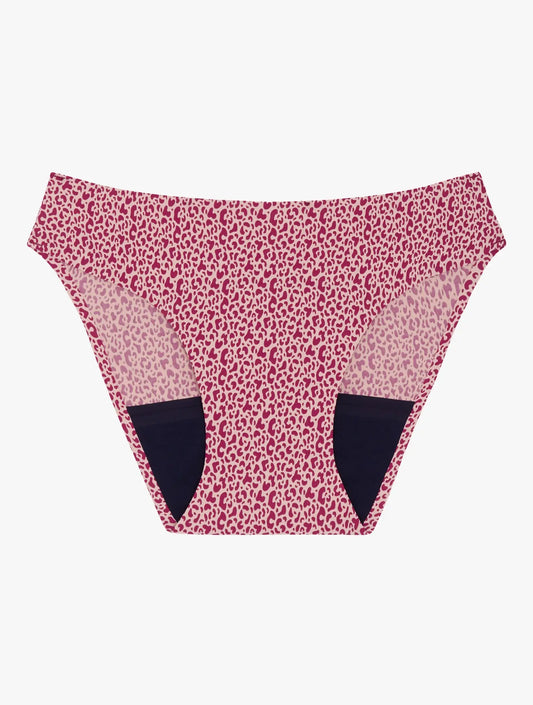
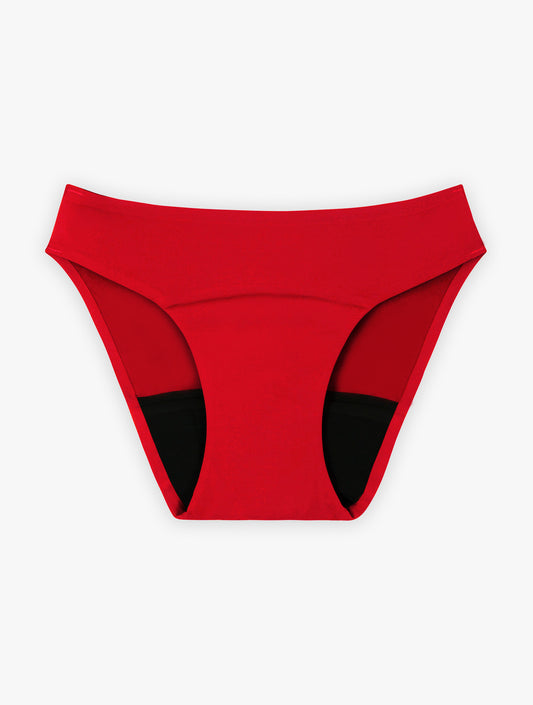
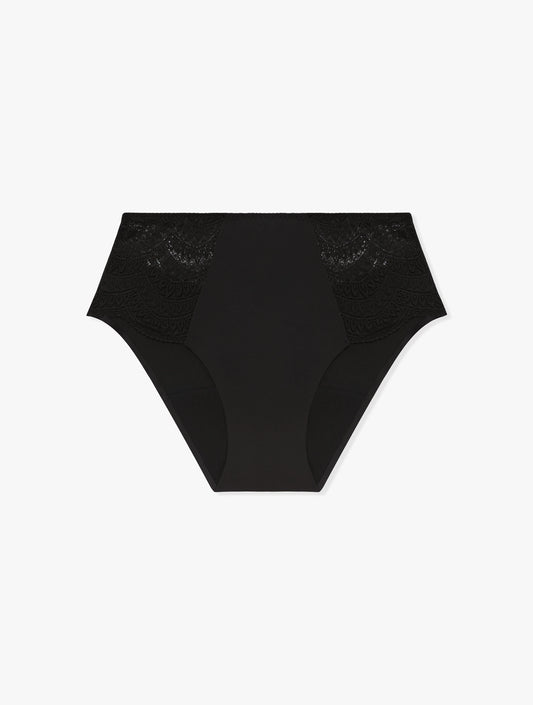
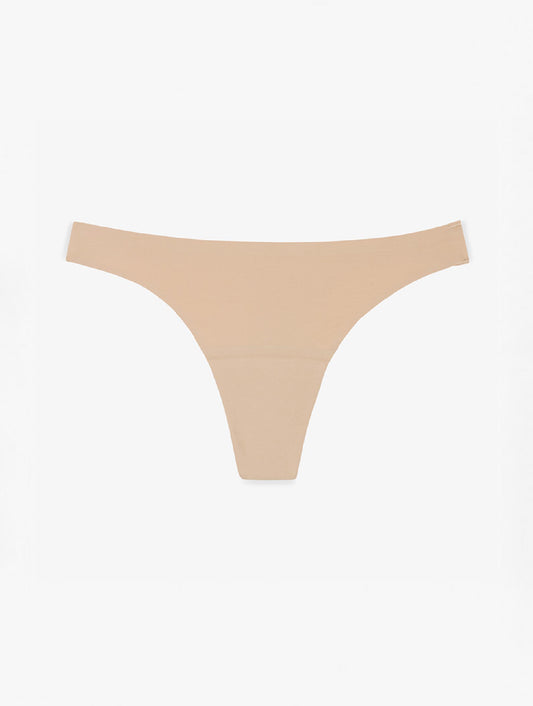
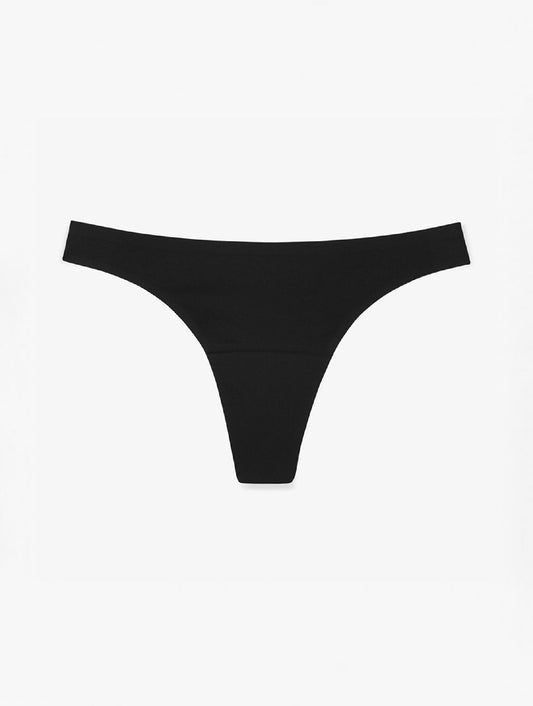
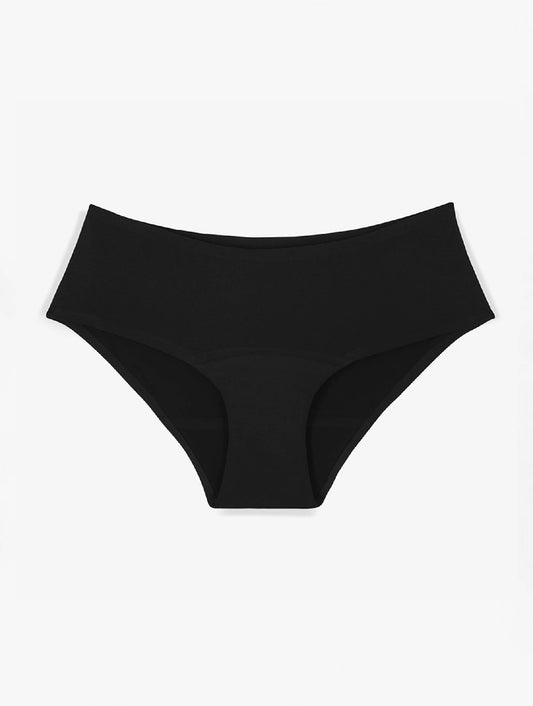
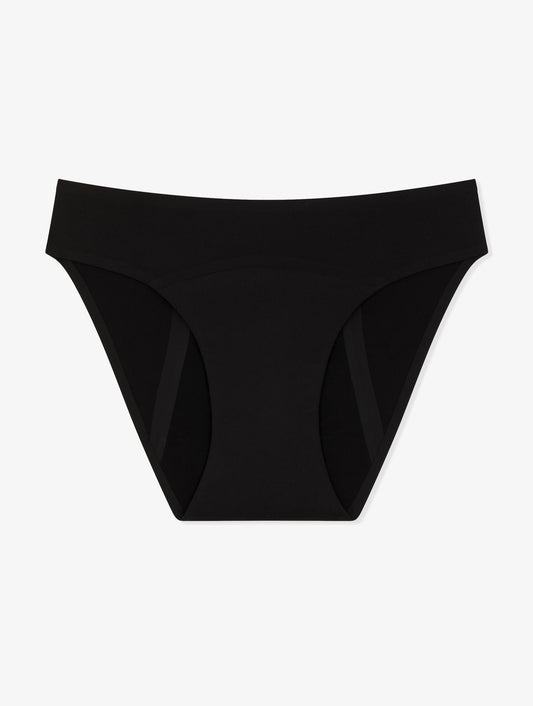
To be perfectly clear: cotton underwear does not treat herpes and does not replace any treatment. It simply corresponds to the type of underwear recommended during an outbreak. Our cotton models are GOTS certified, guaranteed PFAS-free, tested under gynecological supervision, and validated by a clinical study.
Available treatments
Let's be clear: genital herpes cannot be cured. No treatment eliminates the virus from the body. However, it can be well controlled, and options have recently been clarified since the High Authority of Health updated its recommendations in 2024.
Two approaches coexist, both by medical prescription.
- Treatment of the outbreak. An antiviral taken at the very first signs shortens the episode and reduces its intensity. The earlier it is started, the more effective it is, hence the importance of recognizing the warning signs.
- Preventive maintenance treatment. An antiviral taken daily for several months significantly spaces out outbreaks. It is considered beyond 4 to 6 recurrences per year, in case of complications, significant impact on quality of life, or risk of transmission to a partner.
The choice of medication and duration is up to your doctor. What matters here: if your outbreaks are frequent or impact your daily life, it is not inevitable; there is treatment available, and it has been recently updated.
Why recurrences happen, and how often
During reactivation, the virus leaves the nerve ganglion where it was dormant, travels along the nerve, and reaches the skin. This is why lesions almost always reappear in the same place.
The triggering factors identified by Health Insurance are as follows:
- Stress and fatigue
- Another infection, fever, flu
- Immunosuppression
- Hormonal changes, including menstruation
The frequency varies greatly from person to person. It is often higher in the year following the first infection, then outbreaks tend to become less frequent over time. This is the reassuring point to keep in mind when you have just been diagnosed: the first year is rarely representative of the following ones.
Genital herpes and pregnancy
This is the situation that causes the most concern, and it deserves precise figures rather than vague statements. The risk exists: the virus can be transmitted to the newborn at the time of delivery, and neonatal herpes is a serious infection.
But it remains rare. Health Insurance estimates it at about 3 cases per 100,000 births, or about twenty cases per year in France.
The rule is simple: if you are pregnant and affected by genital herpes, or if your partner is, inform the team monitoring your pregnancy. Appropriate monitoring is put in place, preventive treatment may be offered at the end of pregnancy, and the mode of delivery is discussed on a case-by-case basis. The subject is well known to midwives and obstetricians.
Herpes and periods
Periods are among the recognized triggering factors, due to hormonal variations in the cycle. It is therefore not uncommon for an outbreak to occur just before or during the period, when the area is already more sensitive.
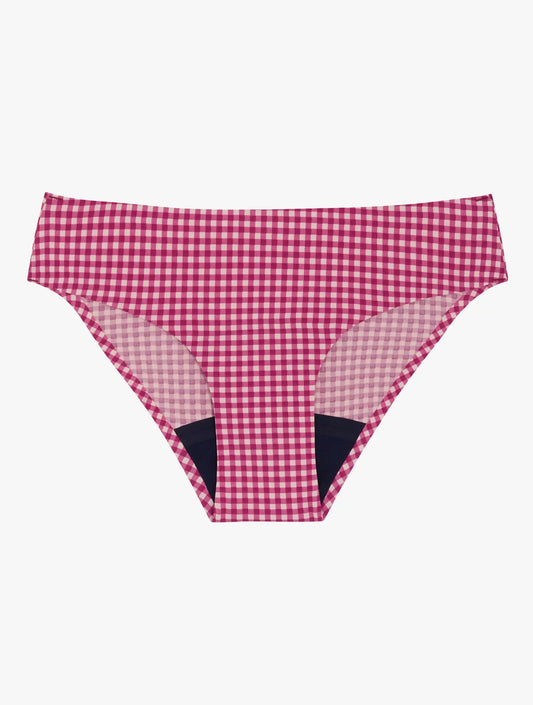
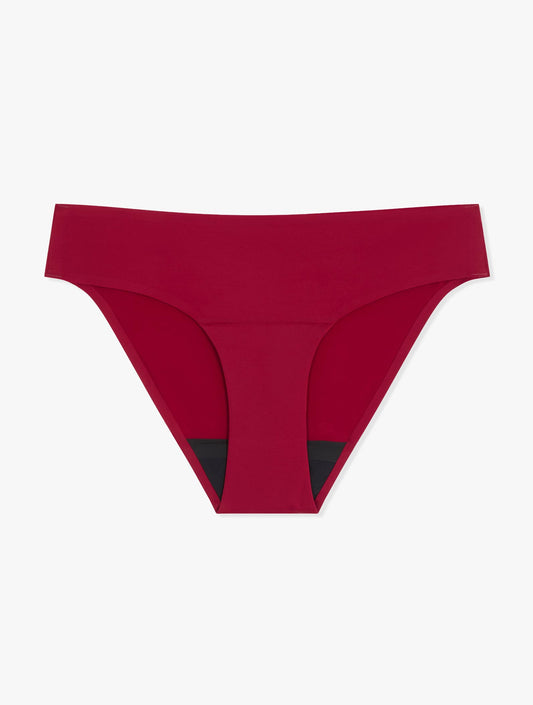
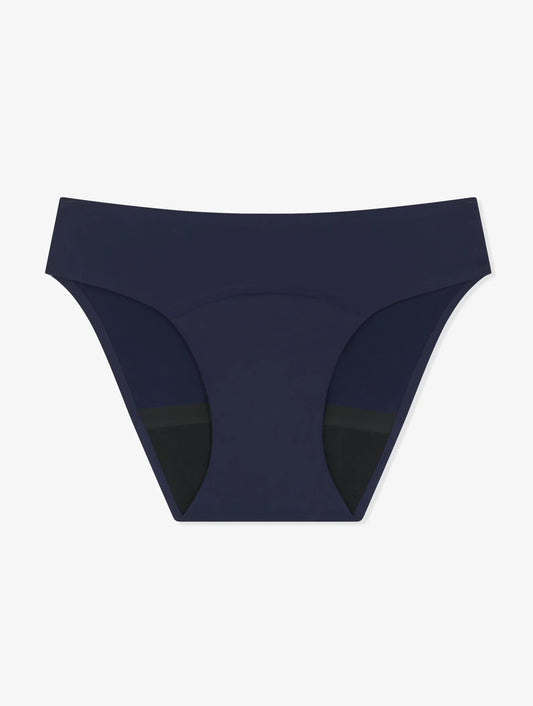
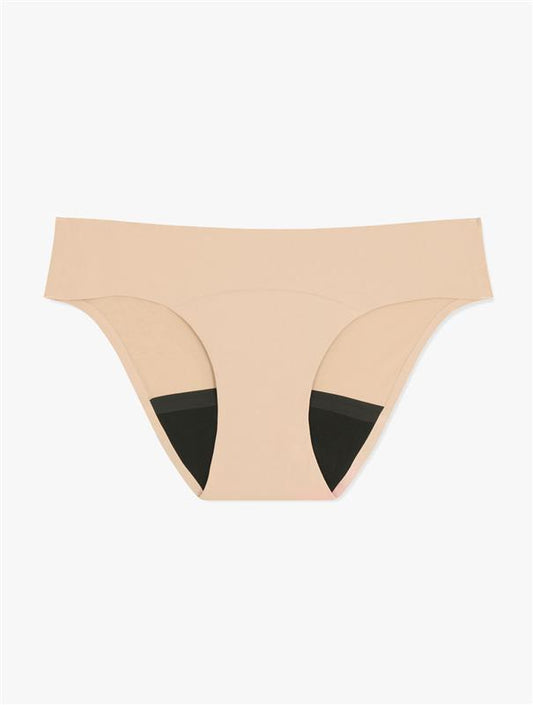
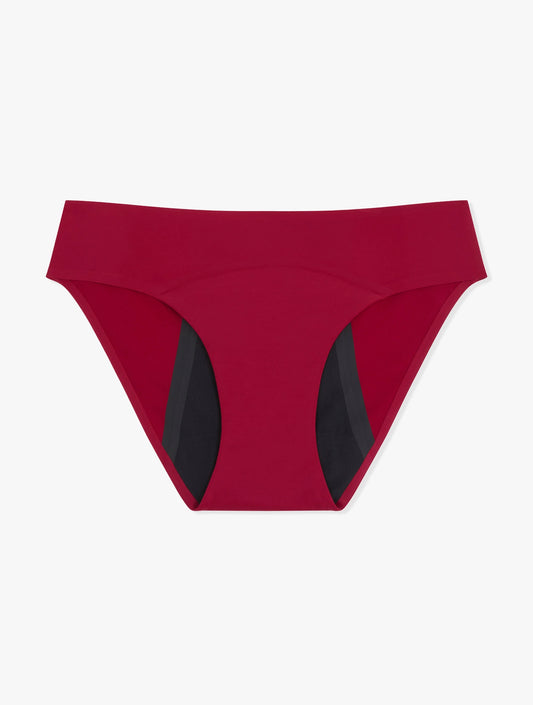
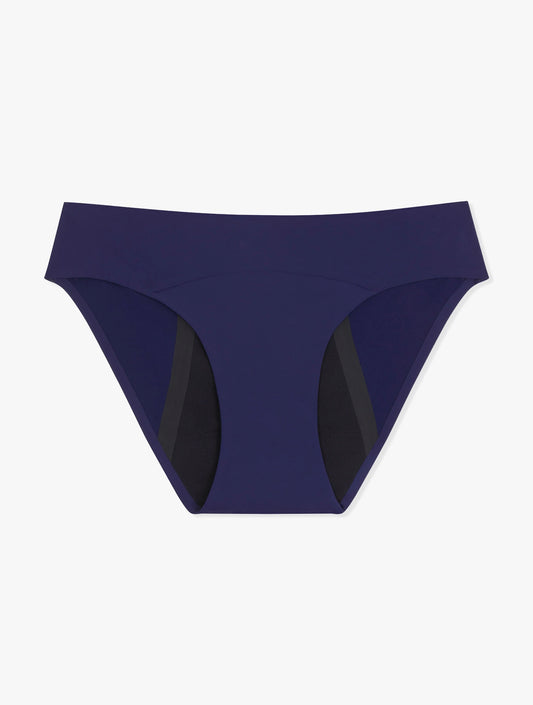
In this situation, two things help concretely: limiting friction and avoiding maceration. An internal protection like a tampon or cup should be avoided on active lesions. External protection, on the other hand, respects the area.
If you are looking to compare the available options, our menstrual panties comparator details the absorption capacities model by model, and our guide on choosing a hygienic protection compares the main categories.
Frequently Asked Questions
-
01Is genital herpes cured permanently?
No. The virus remains in the body for life, dormant in a nerve ganglion. No treatment eliminates it. However, antivirals effectively reduce the duration and frequency of outbreaks, and a maintenance treatment can be offered beyond 4 to 6 recurrences per year.
-
02Can you catch genital herpes from toilets or swimming pools?
No. According to Health Insurance, the virus is transmitted only through direct and intimate contact between two people. Indirect transmission through toilets, swimming pools, or laundry is not a recognized mode of contamination. Genital herpes is also unrelated to hygiene.
-
03Can herpes be transmitted without having lesions?
Yes, and it is even the most common mode of transmission. The virus can be present on the skin and contagious outside of any outbreak, without any visible symptoms. This is called asymptomatic viral shedding. This explains why a large number of people carry it without knowing.
-
04How long does a genital herpes outbreak last?
A recurrence usually lasts 7 to 10 days. The very first outbreak is longer and more intense, with healing that can take several weeks. An antiviral started at the first tingling shortens the episode.
-
05How to differentiate genital herpes from a yeast infection?
Herpes manifests as small grouped vesicles that give way to painful ulcers, usually preceded by tingling. Yeast infection mainly causes intense itching with thick white discharge, without vesicles. Only a doctor can confirm the diagnosis, if necessary by sampling.
-
06What underwear to wear during an outbreak?
Health Insurance recommends loose clothing and cotton underwear, which help eliminate moisture. The goal is to let the skin breathe and eliminate friction on the lesions. Tight clothing and synthetic materials should be avoided during the outbreak.
-
07Is genital herpes dangerous during pregnancy?
The virus can be transmitted to the newborn during delivery, which justifies monitoring. The risk remains rare: Health Insurance estimates it at about 3 cases per 100,000 births, or about twenty per year in France. Always report the infection to the team monitoring your pregnancy.
-
08Can menstruation trigger an outbreak?
Yes. Hormonal changes are among the recognized triggering factors, along with stress, fatigue, fever, or a weakened immune system. An outbreak occurring just before or during menstruation is therefore common.
- Health Insurance (ameli.fr), Recognizing genital herpes
- Health Insurance (ameli.fr), What to do during and between genital herpes outbreaks
- High Authority of Health, recommendations on the management of cutaneous and genital herpes, updated in 2024