Hormonal acne: our TOP tips to treat it effectively
At any age, acne is a source of insecurity. Especially since hormonal acne is not just a teenager’s issue. It also affects adults, particularly… women! At 20, one in two is affected, then one in three at 30, and one in four at 40. It only leaves us alone after menopause. Enough to be a bit depressing. But why do we get hormonal acne? And how can we get rid of it?

Hormonal acne in women: a common problem
Hormonal acne in adults is a common but difficult problem to manage. This skin condition appears as painful breakouts, often located on the chin, cheeks, and jawline. Identifying if your acne is hormonal is the first step to adopting the right treatment.
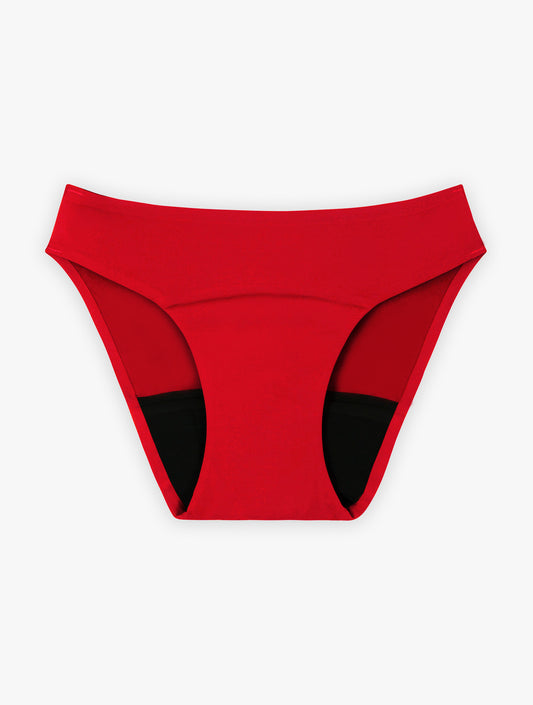
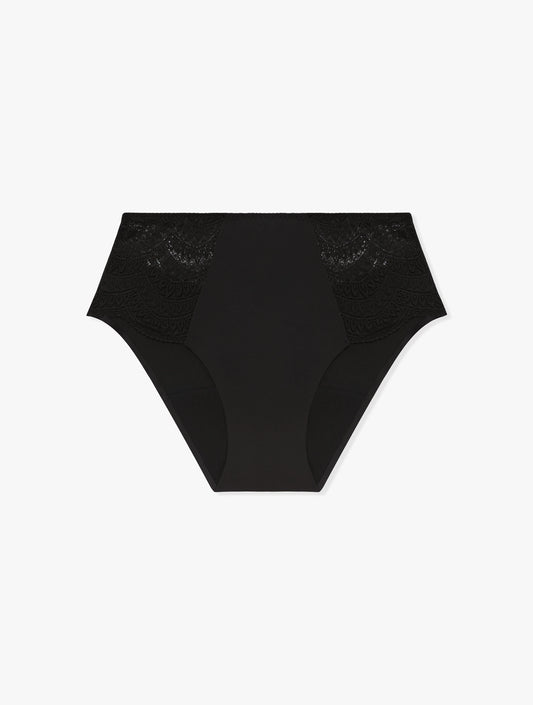
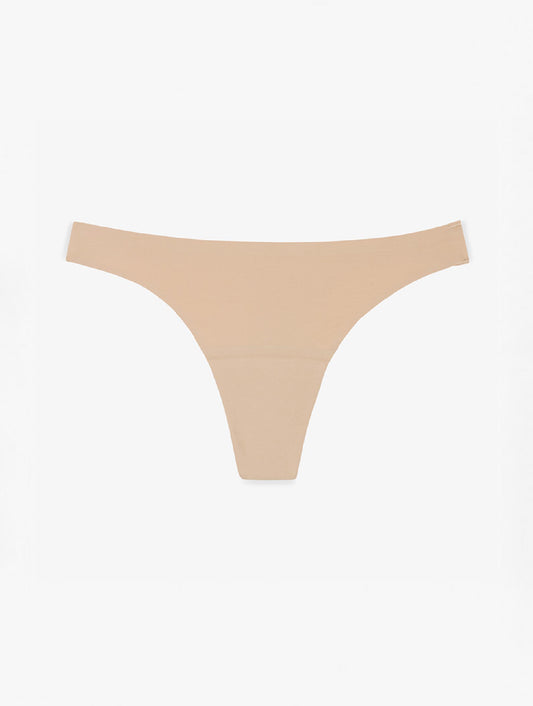
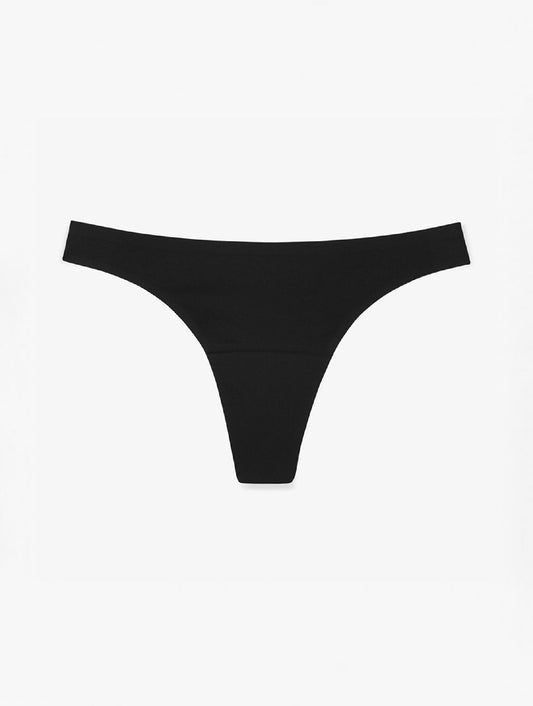
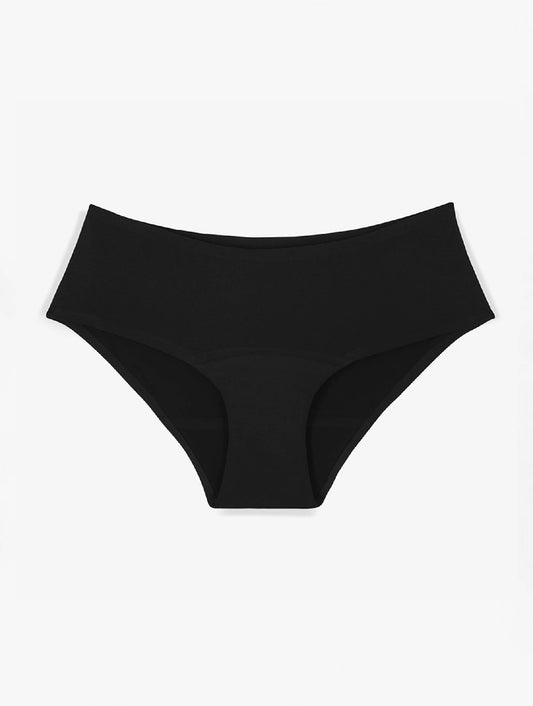
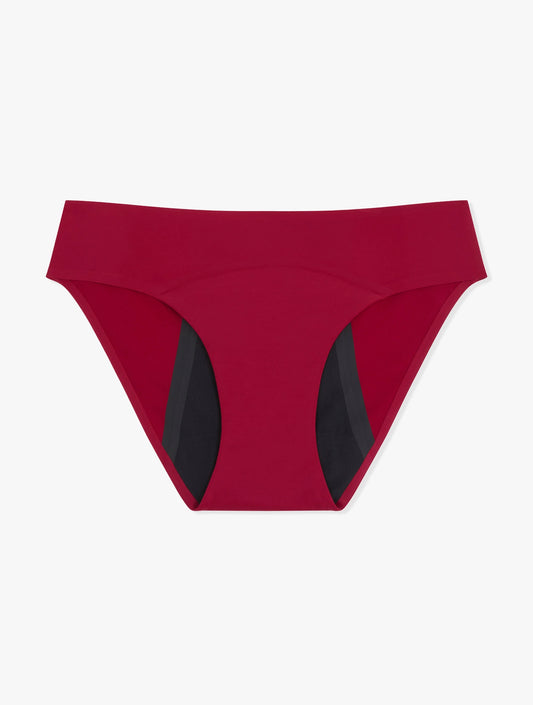
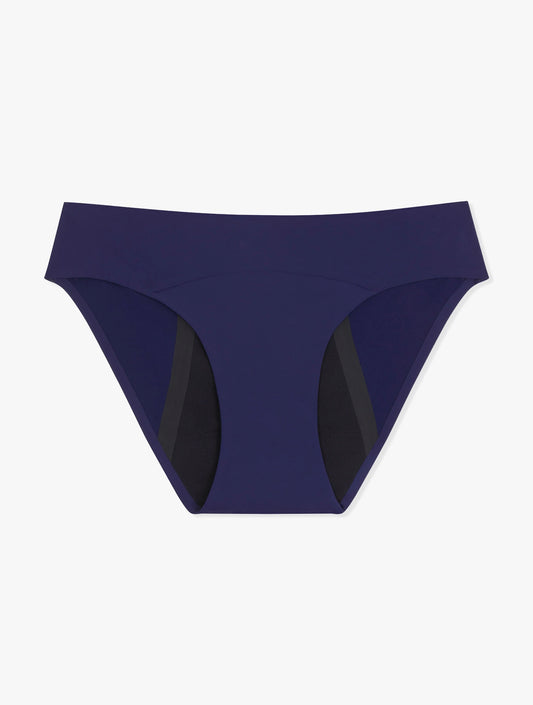
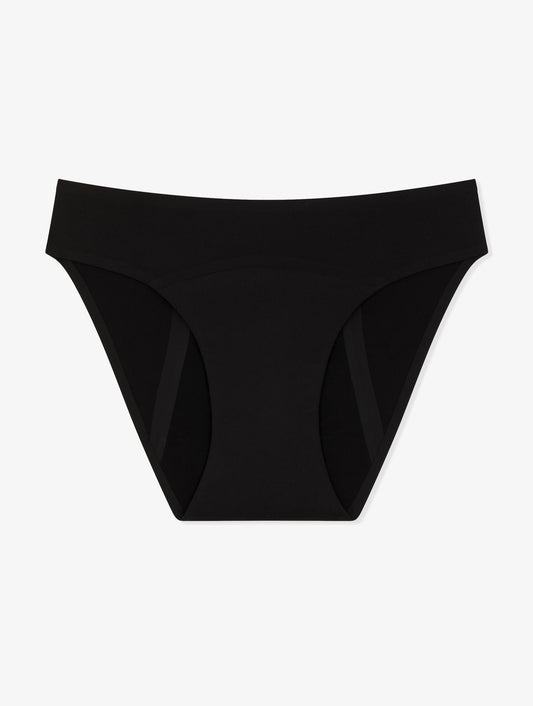
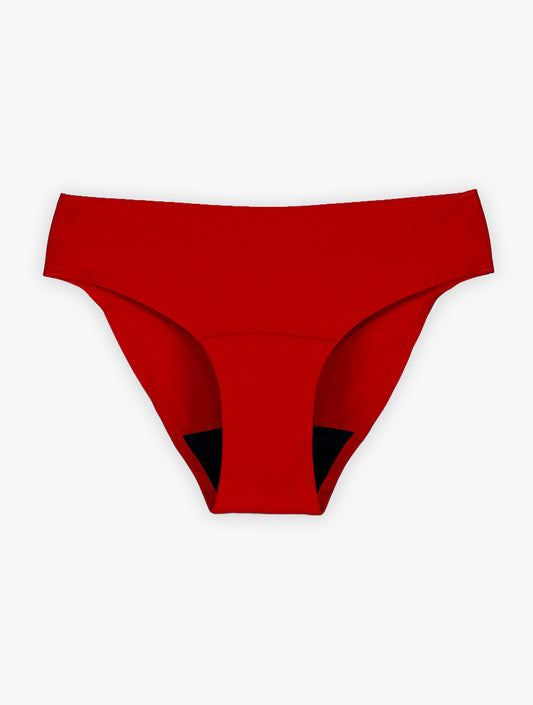
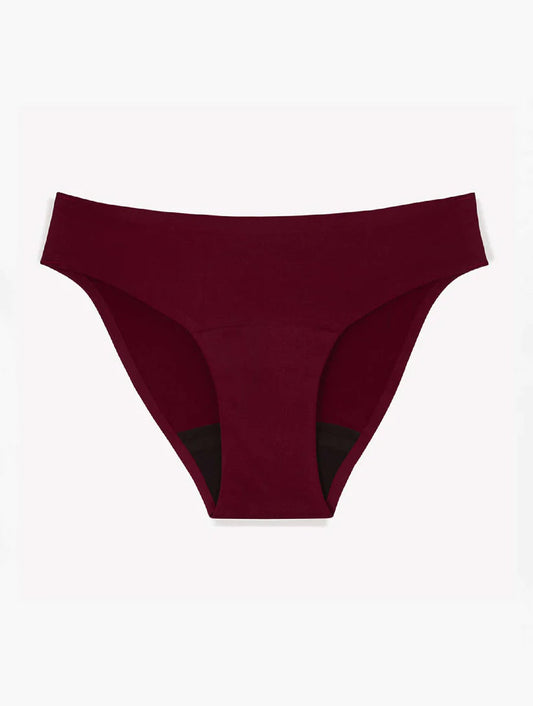
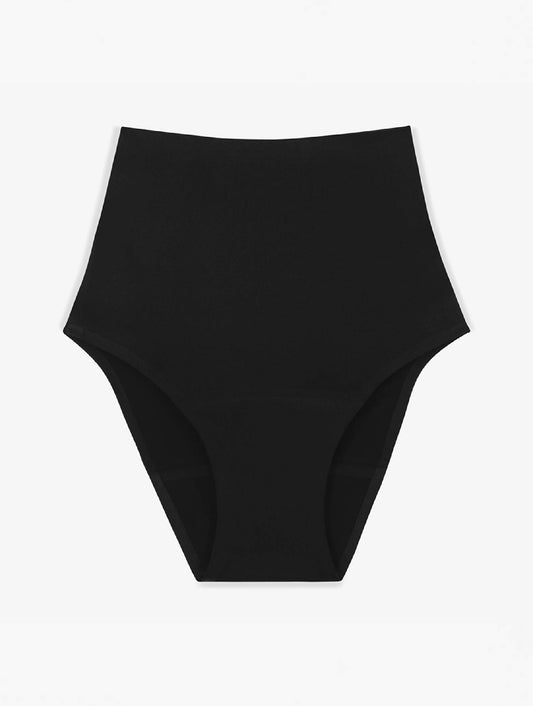
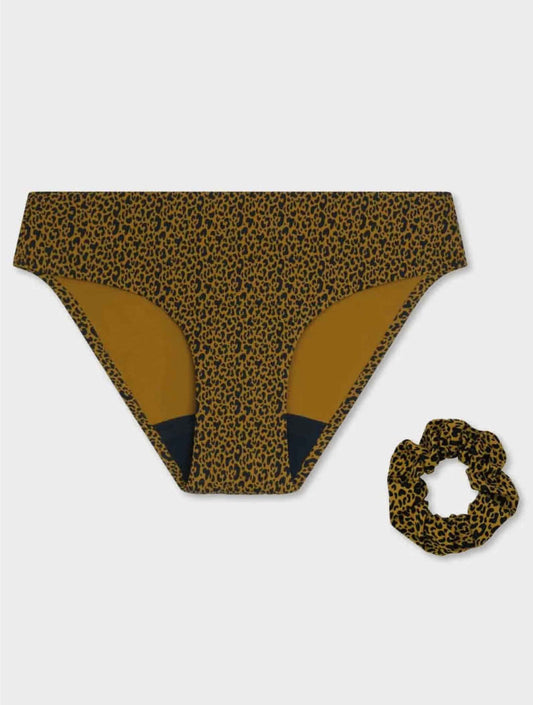
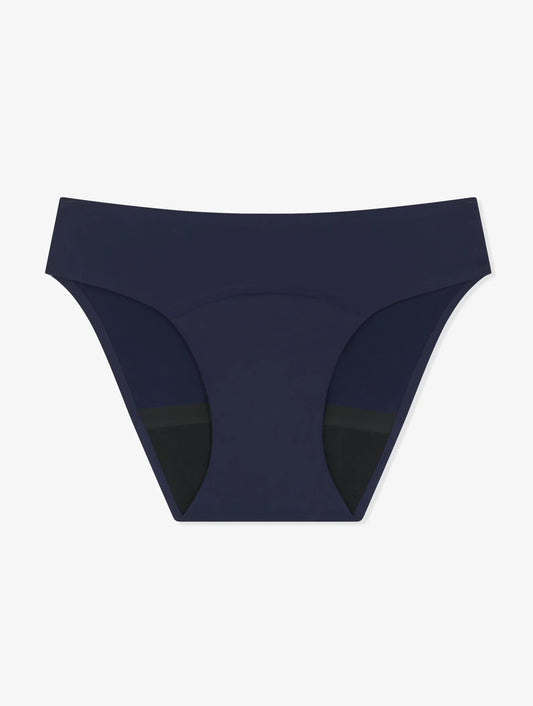
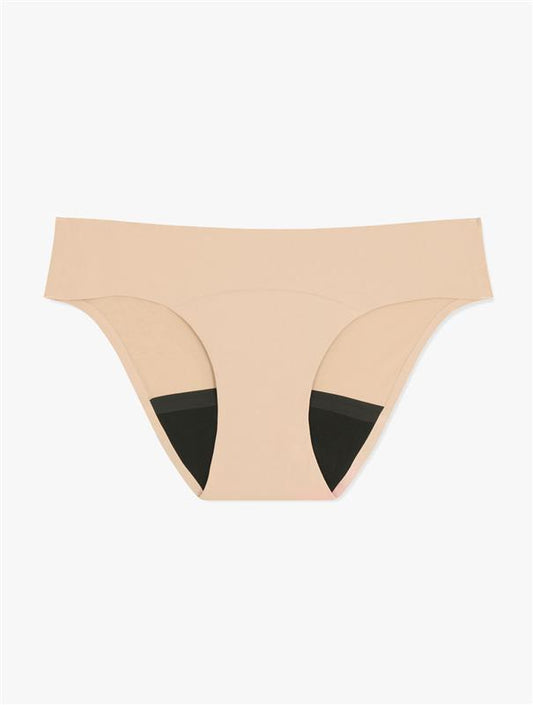
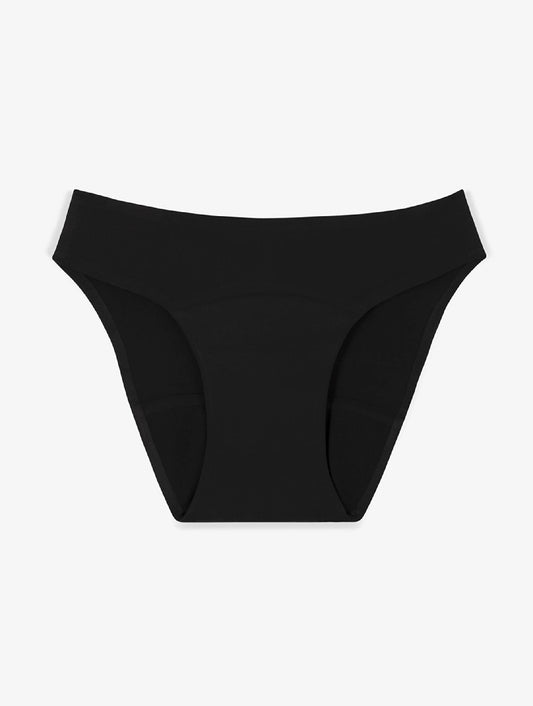
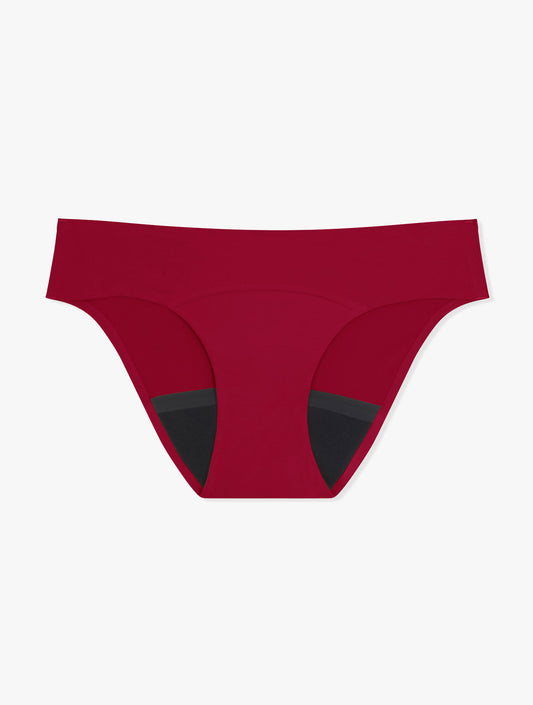
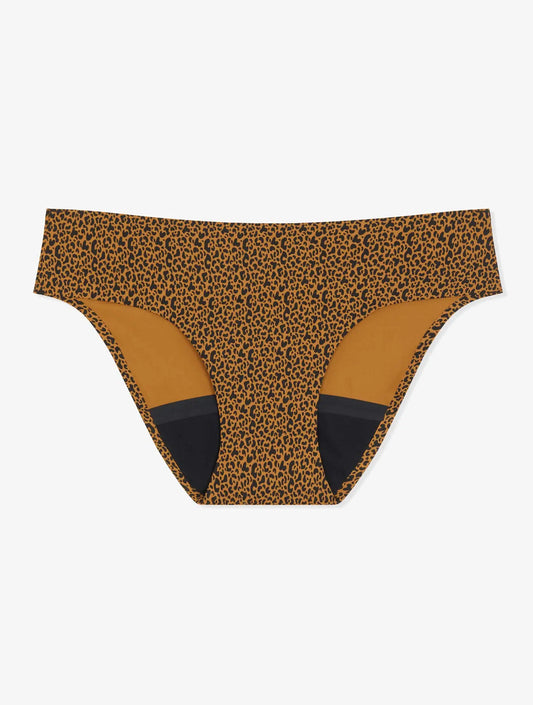
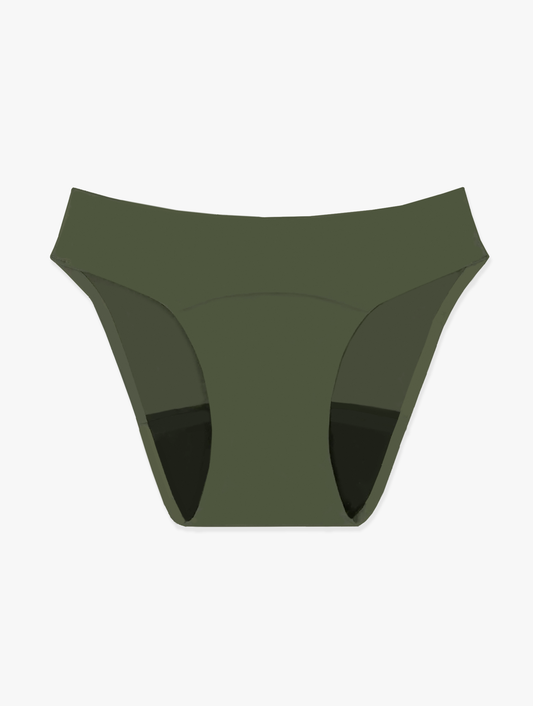
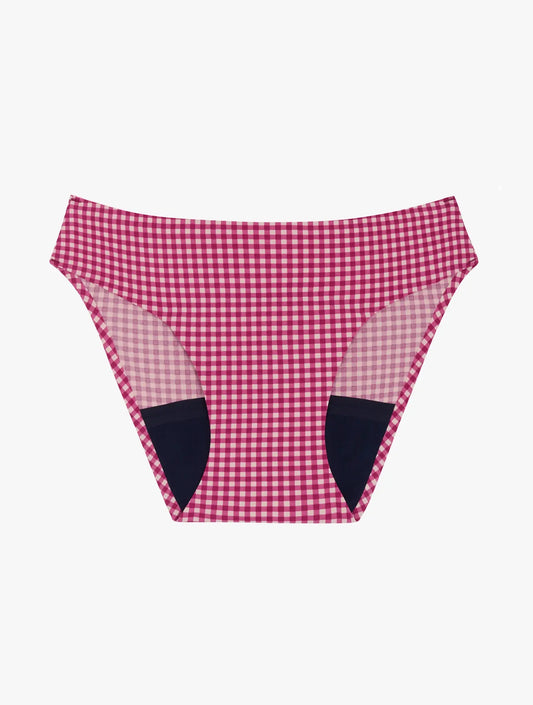
And if, in addition to managing your hormonal acne, you are bothered by your period and especially uncomfortable protection, free your mind by using a menstrual panty, a menstrual thong, or a period shorty!
What is hormonal acne?
Hormonal acne is, as its name suggests, acne related to hormone fluctuations.
Although it is associated with hormonal fluctuations during puberty, hormonal acne can also affect adults. It is particularly common in women. Several factors can contribute, including menstruation, pregnancy, and menopause.
“It is estimated that 50% of women aged 20 to 29 suffer from acne. It affects about 25% of women aged 40 to 49.”
(source: Christin N.Collier et al. The prevalence of acne in adults 20 years and older. J Am Acad Dermatol, Volume 58, Issue 1 – 2008)
Women experience many hormonal changes in their lives (pregnancy, menstruation, menopause, stopping or starting hormonal contraception), which explains why they are more likely than men to suffer from acne.
Contrary to popular belief, oily skin is not the only type affected since you can suffer from acne with dry skin.
Understanding hormonal acne
Hormonal acne corresponds to a breakout of pimples caused by hormonal fluctuations, generally related to the menstrual cycle in adult women. This form of acne is characterized by inflammatory imperfections, mainly due to an overproduction of sebum clogging the skin's pores.
Several hormones can be involved in hormonal acne, such as:
- female hormones (progesterone and estrogens)
- testosterone (male hormone)
- or cortisol, the stress hormone.
Variations in these hormones can be influenced by different everyday life factors, such as stress, diet, or certain medications.
Symptoms and causes of hormonal acne
How to recognize hormonal acne?
Hormonal acne is distinguished by certain specific symptoms. First, hormonal acne pimples are generally located in certain areas of the face, particularly the chin, jawline, and sometimes the cheeks. This type of acne can also appear on the back or upper chest.
The lesions are often painful, inflammatory in nature (papules and pustules), and can take various forms such as comedones, boils, or microcysts. Additionally, the appearance of pimples is often cyclical, linked to the menstrual cycle in women, usually occurring a week before the period or during ovulation.
Finally, in some cases, hormonal acne can also be accompanied by other signs of hormonal imbalance, such as hair loss, weight gain, or irregular menstrual cycles.
The triggers of hormonal acne
Understanding the triggers of hormonal acne is crucial to adopting an effective treatment. Among the triggering factors are:
-
Hormonal fluctuations: during certain life events, such as puberty, menstruation, pregnancy, perimenopause, hormone levels fluctuate, leading to overproduction of sebum.
-
Stress: cortisol, the stress hormone, can stimulate the sebaceous glands and promote acne.
-
The use of certain medications: some medications, such as steroids or testosterone, can disrupt hormonal balance and cause acne.
-
Diet: a diet high in sugars and fats, or a deficiency in vitamins and minerals, can promote the appearance of hormonal acne.
Each of these factors can play a role in triggering hormonal acne, and managing them can help control this condition.
Adult hormonal acne
Adult hormonal acne is not only linked to the menstrual cycle in women. Indeed, it can also be triggered by other hormonal variations such as:
- polycystic ovary syndrome
- certain periods of intense stress 4
- or also by hormonal imbalances caused by certain medications.
While women are more often affected, men are not spared and can also suffer from hormonal acne. Symptoms can be more severe and persistent than those of juvenile acne.
A consultation with a dermatologist can help determine if your acne is hormone-related and guide you to the most appropriate treatment.
The impact of menopause on hormonal acne
Menopause, marked by a significant drop in female hormones, especially estrogen, can affect the skin and cause acne outbreaks. This menopause acne is often localized on the lower face.
It is linked to a decrease in estrogen and a relative predominance of androgens, so-called "male" hormones, which stimulate sebum production, promoting the appearance of pimples.
Some women may see their acne improve with hormone replacement therapy, prescribed to alleviate menopause symptoms.



Recognizing adult acne or hormonal acne
Obviously, some pimples or imperfections can occur because of:
- a polluted environment
- a diet that is too rich,
- a period of intense stress…
Hormonal acne can be identified by a few specific factors:
The timing of pimple appearance
If these are linked to the menstrual cycle, they will appear in parallel with it in a cyclical way. Many women notice skin imperfections appearing on their skin a week before their period or even during the ovulation period.
The outbreak is worsened by stress
The production of the stress hormone (cortisol) increases, which is a sign of inflammation that will cause an acne outbreak.
The area of appearance
Pimples appear in a specific area: around the chin and jawline.
The concentration of pimples is located around the lower part of your face. Why in this area? Excess hormones in the body stimulate the sebaceous glands, causing pimples to appear in the lower face area, which is directly connected to the reproductive organs.
An “interesting” fact, just as pimples appear cyclically, they often return to the same spot where the skin pores have already been enlarged by previous pimples.
The type of pimple
Unlike blackheads and whiteheads that dominate during adolescence, the pimples related to hormonal acne are rather painful cysts. This is a type of acne with a dominant inflammatory nature that develops in flare-ups.
These are microcysts already present under the skin that, under inflammation, turn into cysts, pustules, and other nodules.
Finally, and unfortunately, this is a type of acne that can be more resistant to classic treatments and can leave scars.
Hormonal acne and pregnancy: all you need to know
Some women not prone to hormonal acne develop pimples during pregnancy. Acne that occurs during pregnancy is caused by a hormonal upheaval (estrogen and progesterone) which causes an imbalance in the functioning of the sebaceous glands responsible for sebum production. These glands increase sebum production, which clogs the skin pores and causes acne.
This type of acne is closer to the acne that occurs during puberty and gradually disappears after pregnancy. In this case, it is advisable to consult a dermatologist because most treatments are prohibited during pregnancy.
Good to know, the sun can amplify acne. For pregnant women in summer, total sunblock and limited sun exposure are recommended.
Location of hormonal acne pimples
Hormonal acne on the chin and cheeks
Hormonal acne on the chin and cheeks is specific and often characterized by painful inflammatory lesions. It is mainly due to an overproduction of sebum caused by hormonal fluctuations. Notably, testosterone, a male sex hormone, can stimulate sebum production and worsen acne.
This form of acne can affect women of all ages, especially during certain periods of life when hormone levels fluctuate, such as menstruation and menopause. Men are not spared, but they are more likely to develop acne on the back.
Among the aggravating factors of this acne are:
- Stress, which increases the production of cortisol, a hormone that stimulates the sebaceous glands
- Diet, especially excessive consumption of sugars and fats
- The use of certain medications, such as steroids or testosterone
To effectively treat this acne, it is important to consult a dermatologist who can determine if your acne is hormonal in origin and guide you towards the most suitable treatment.
Hormonal acne on the forehead
Hormonal acne on the forehead is less common but can still occur. It may be linked to excessive sebum production due to hormonal fluctuations.
It is important to note that the skin on the forehead is particularly sensitive and reactive, so it is crucial to adopt a suitable care routine for this area. Products containing salicylic acid can prove effective in treating hormonal acne on the forehead, thanks to their ability to regulate sebum production and promote cell renewal.
In case of persistent acne on the forehead, a consultation with a dermatologist is recommended to guide towards the most appropriate treatment.
Hormonal acne on the chest
Hormonal acne on the chest can be particularly bothersome due to its visible location and sometimes painful nature. It is often linked to hormonal fluctuations, especially during the menstrual cycle in women, or to a hormonal imbalance caused by certain medications.
This form of hormonal acne can be treated similarly to acne on other parts of the body, with:
- topicals based on benzoyl peroxide or antibiotics
- oral treatments like zinc
- or even hormonal treatments such as hormonal contraceptives.
It is also essential to maintain good skin hygiene and avoid overly greasy body products that can clog pores. In case of persistent or severe acne on the chest, a dermatologist should be consulted.
How to treat hormonal acne?
Natural treatment for hormonal acne
A natural treatment for hormonal acne can be an interesting alternative to traditional treatments, especially for those who want to avoid the side effects of medications.
Several natural options can be considered:
- Tea tree oil: Known for its antibacterial properties, it can be applied directly on pimples.
- Manuka honey: Applied directly on pimples for 20 minutes before rinsing, it can help reduce inflammation.
- Brewer's yeast: It can be taken as a dietary supplement to regulate the hormonal system and help fight acne.
- Essential and vegetable oils: Some, like spike lavender, tea tree, or white tea, are known for their anti-acne properties.
These treatments should always be used with caution and after consulting a healthcare professional.
The use of Zinc to treat hormonal acne
Zinc is a natural alternative often recommended to treat hormonal acne. This mineral has anti-inflammatory, antibacterial, and healing properties, thus acting on several aspects of acne. It is generally prescribed as a treatment course of at least three months, at a dose of 30 mg per day.
The action of zinc is even more effective on mild to moderate inflammatory acne. It also helps regulate the hormones that control sebum secretion, thus playing a role in preventing acne flare-ups.
Zinc can be consumed:
- in the form of medications
- of creams
- or dietary supplements.
It is recommended to take it on an empty stomach to promote absorption and avoid interactions with other medications.
The role of antibiotics in the treatment of hormonal acne
Antibiotics are often used in the treatment of hormonal acne, especially in cases of inflammatory acne.
They work by inhibiting the growth of Cutibacterium acnes bacteria present in the skin pores, thus reducing inflammation and skin eruptions. The most commonly used antibiotic families are tetracyclines and macrolides.
- Tetracyclines, such as doxycycline, are generally prescribed as first-line treatment. They have anti-inflammatory properties and prevent the multiplication of bacteria responsible for acne.
- Macrolides, such as erythromycin, are used in case of contraindication to cyclines.
These antibiotics can be administered orally or topically, often in combination with a local treatment based on benzoyl peroxide or retinoid.
As a general rule, antibiotic treatment does not last more than 3 months to avoid the development of bacterial resistance.
It is essential to emphasize that any antibiotic treatment must be prescribed by a healthcare professional, who will assess the benefits and associated risks.
The use of Roaccutane to treat hormonal acne
Roaccutane, also known as isotretinoin or Curacné, is a medication often prescribed to treat severe hormonal acne. Its effectiveness is well demonstrated, with complete disappearance of lesions in more than 85% of cases.
However, this treatment requires strict medical supervision due to its potential side effects, including risks during pregnancy and psychiatric effects.
It is generally prescribed when usual treatments, such as oral antibiotics and topical treatments, have not been effective.
This is a powerful treatment against hormonal acne which, when properly followed, offers a high chance of cure but requires special attention due to its side effects.
What to do about late-onset hormonal acne?
Managing late-onset hormonal acne involves a holistic approach that considers both external treatments and lifestyle changes. Adopting an appropriate skincare routine is essential.
Choose gentle and non-comedogenic products to avoid worsening hormonal acne. Adjusting your diet can also play an important role. Some foods, such as dairy products or those with a high glycemic index, can exacerbate hormonal acne.
Finally, stress management is also crucial, as stress can affect hormones and trigger acne flare-ups. Techniques like meditation or yoga can help manage stress.
The use of dietary supplements such as brewer's yeast, known for its hormone-regulating properties, can also be beneficial.
Preventing hormonal acne flare-ups
Preventing hormonal acne flare-ups primarily involves good lifestyle habits and an appropriate care routine.
-
Lifestyle: a healthy and balanced diet, as well as regular physical activity, can help regulate hormones and thus prevent acne flare-ups. It is also recommended to avoid stress, which can disrupt the hormonal system.
-
Care routine: cleanse your skin twice a day with a gentle product to remove excess sebum and impurities. Then apply a targeted treatment to problem areas.
-
Medical consultation: if you suffer from hormonal acne, it may be helpful to consult a dermatologist or endocrinologist to get appropriate treatment. Some medications, such as oral contraceptives, can help regulate hormones and thus control acne.
It is important to note that each person is unique and what works for one person may not work for another. It is therefore essential to find the routine and treatment that suit you best.