When Periods Go Awry: 10 Factors That Influence Our Flow
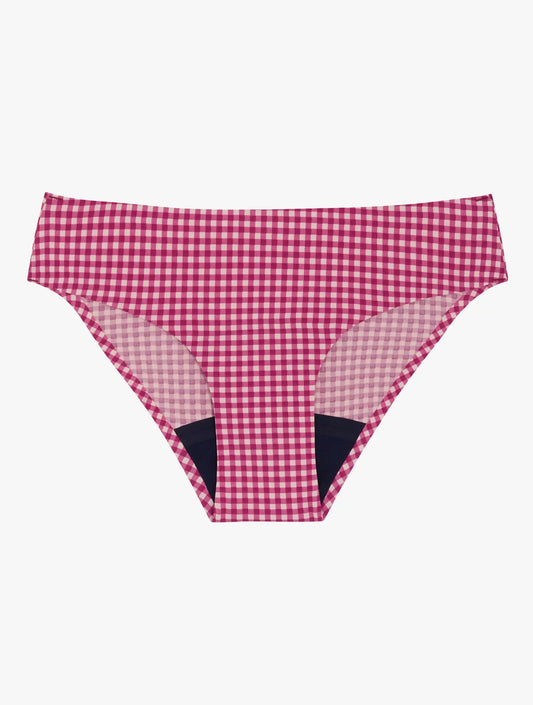
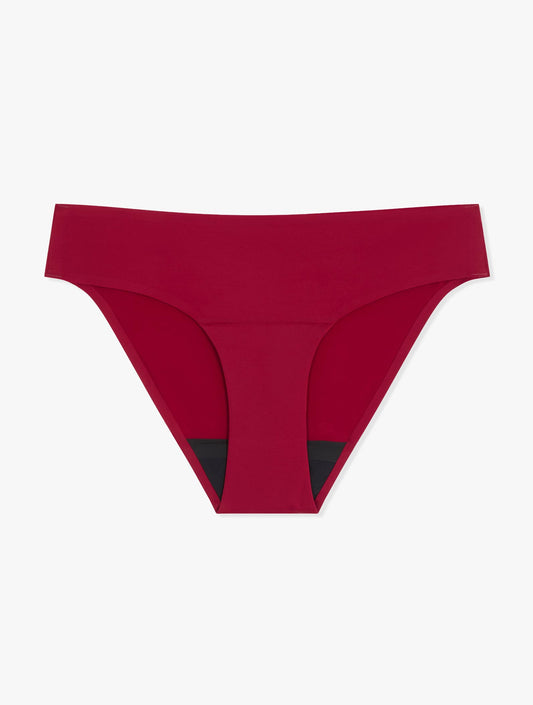
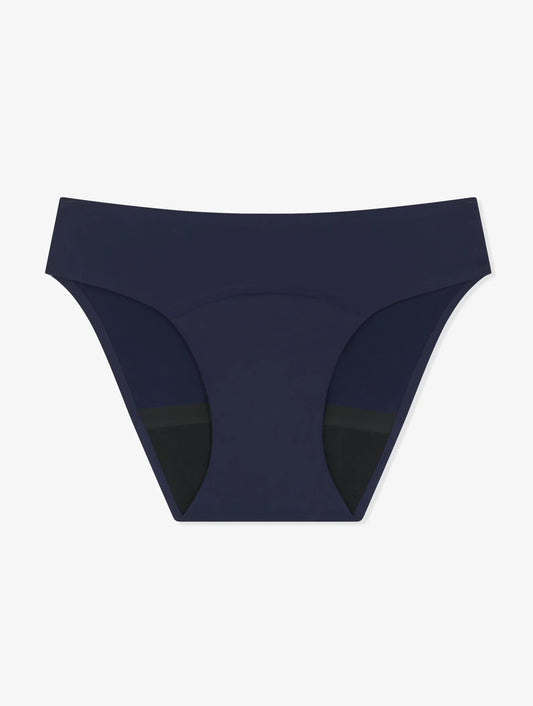
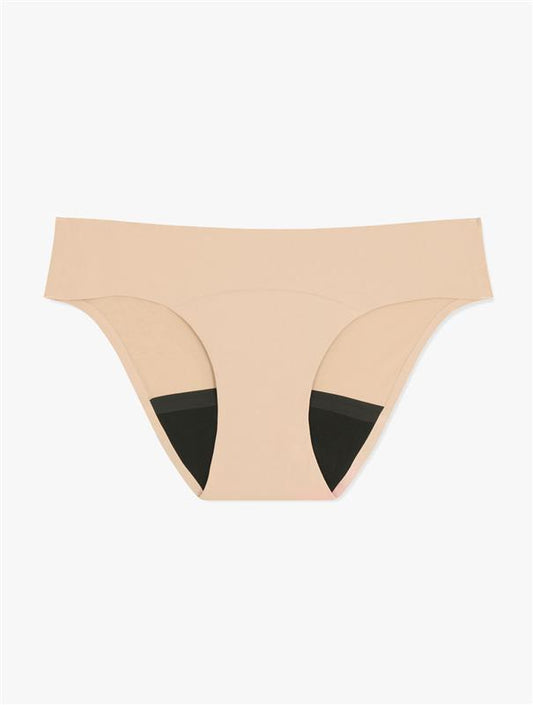
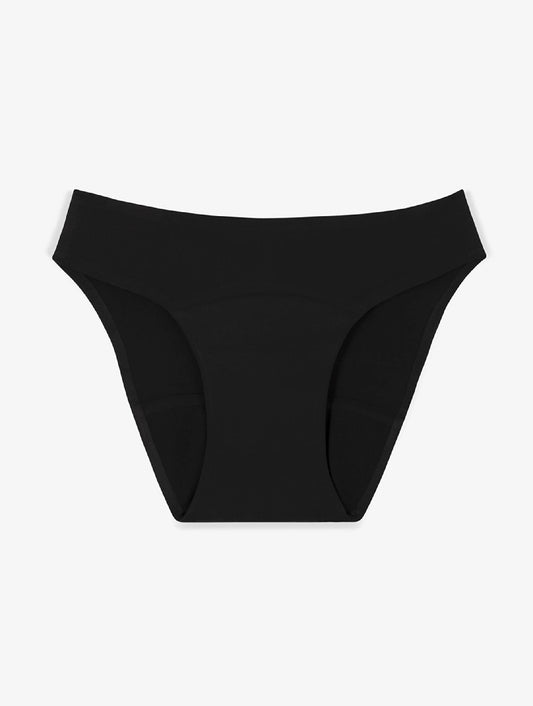
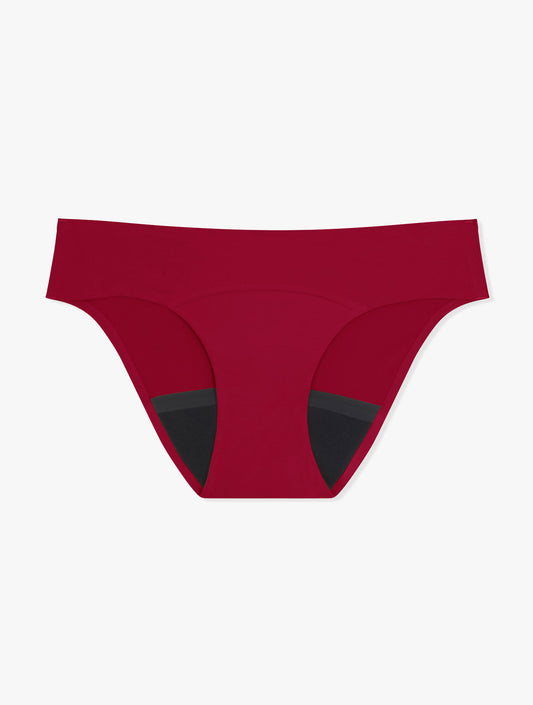
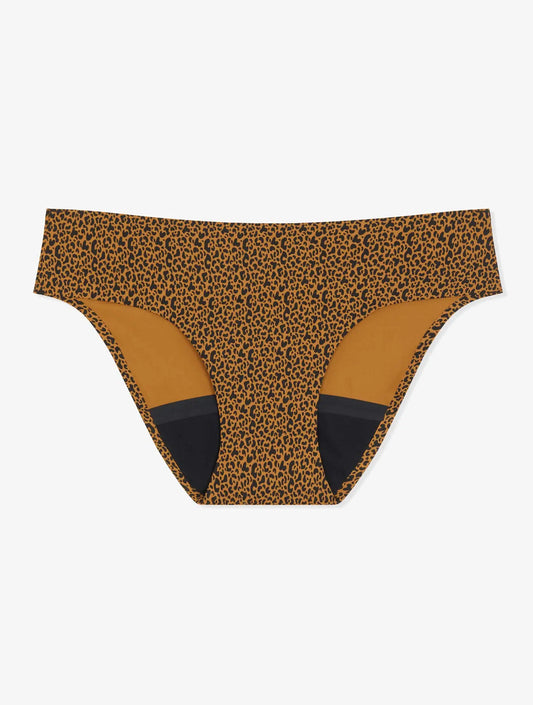
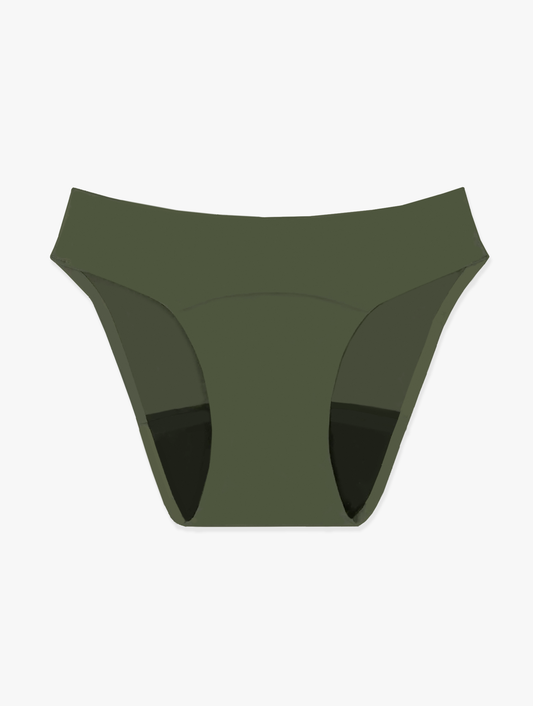
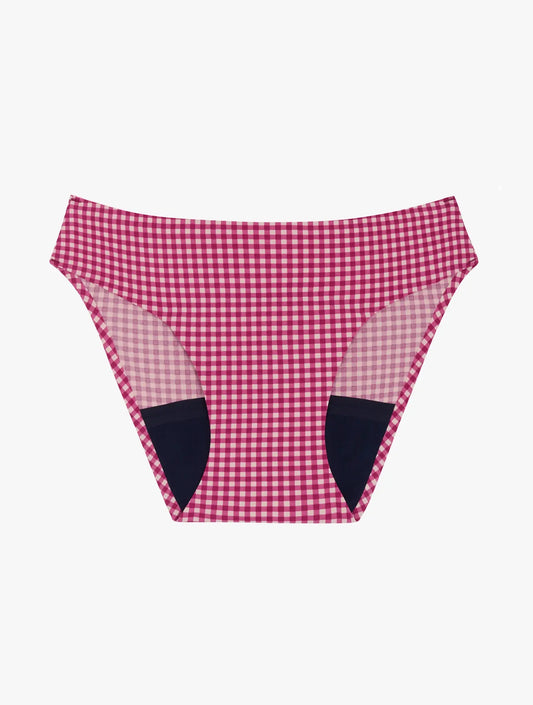
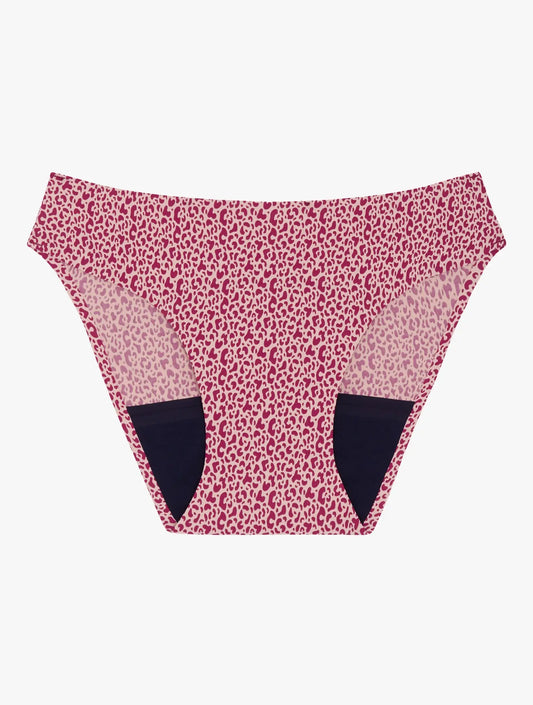
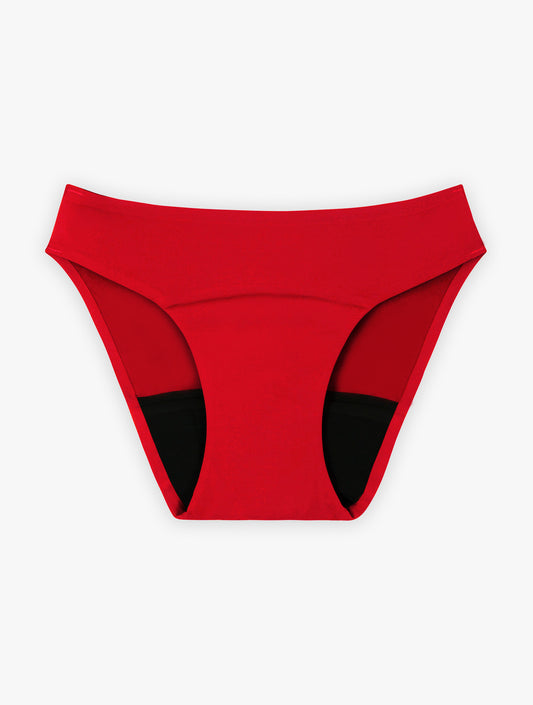
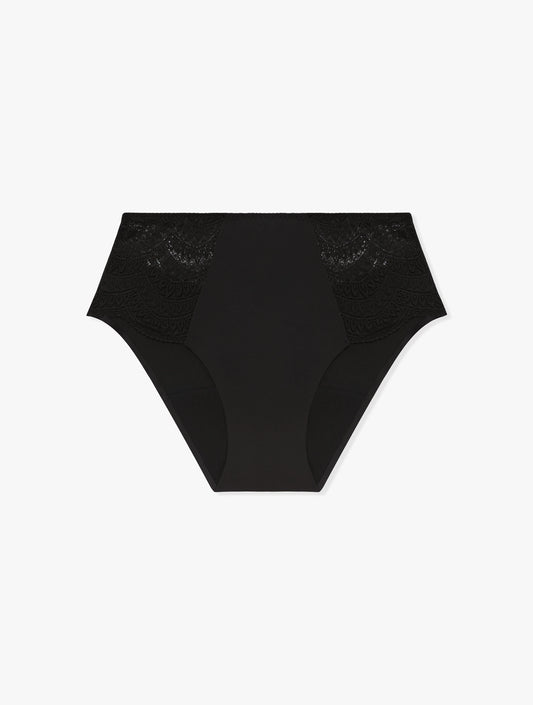
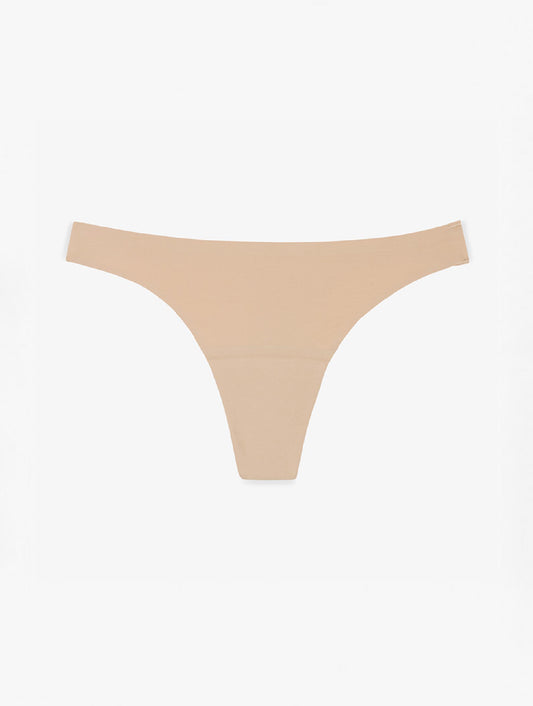
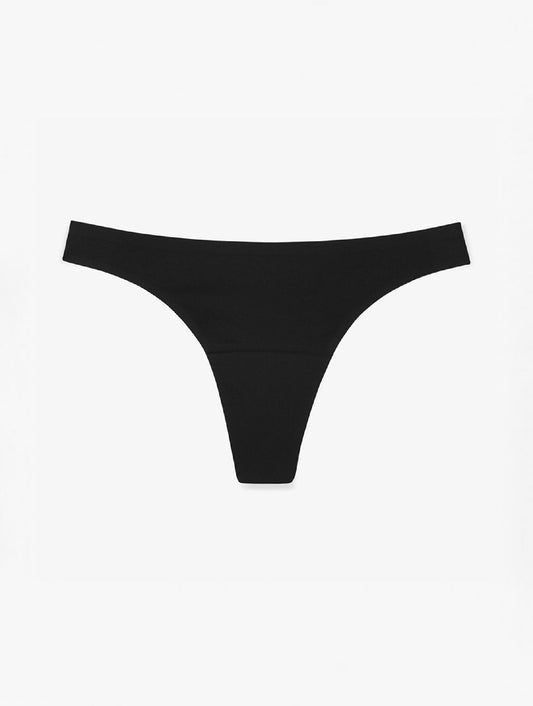
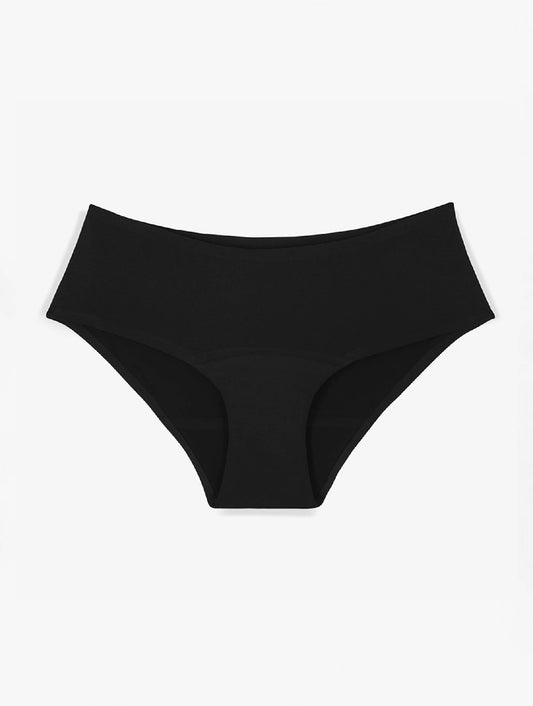
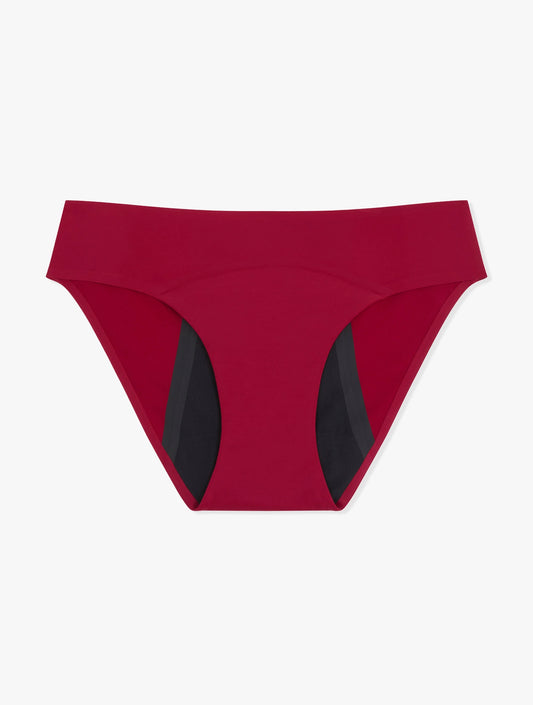
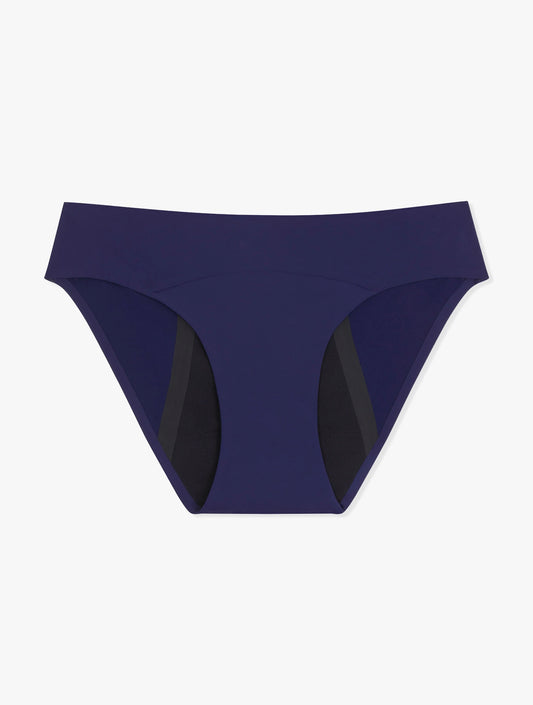
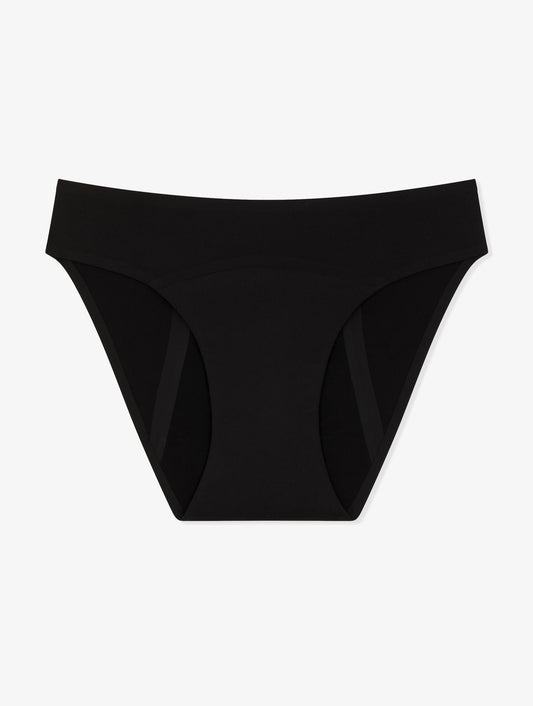
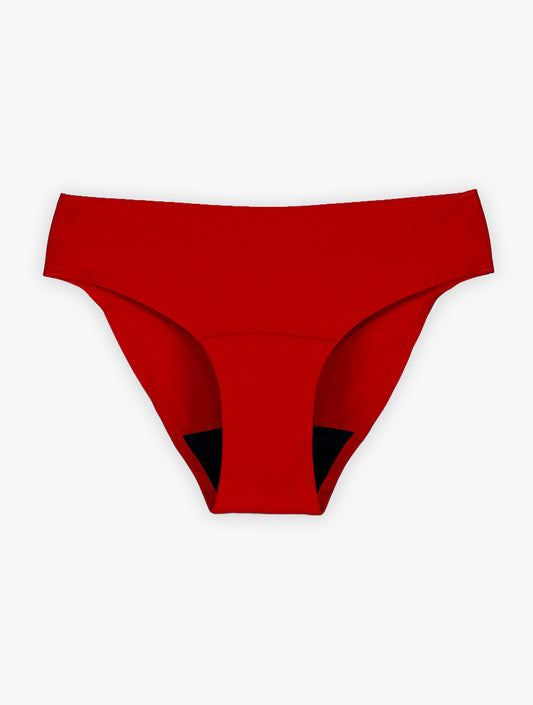
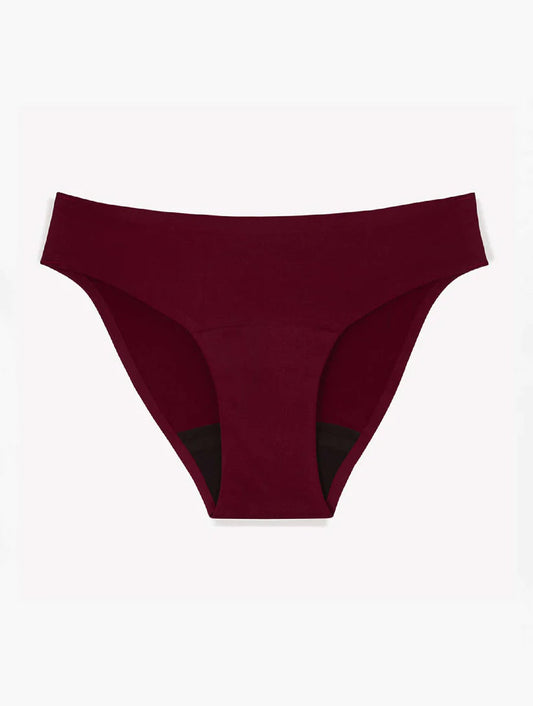
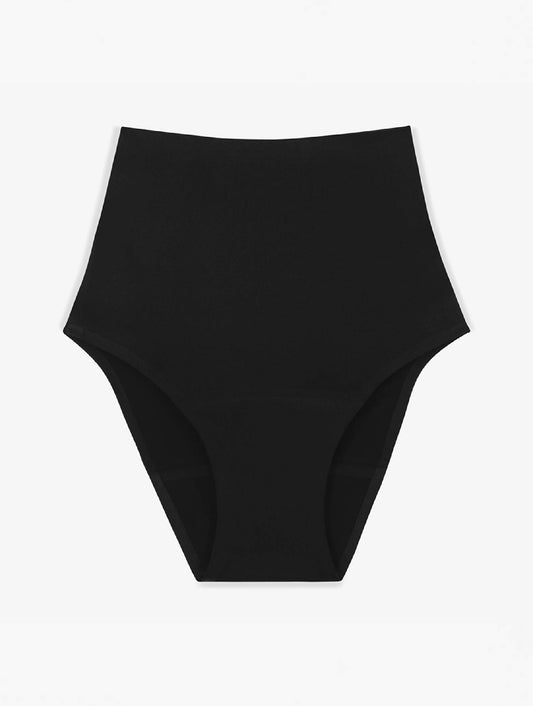
Even though we’re not all clockwork regular, sometimes our periods don’t live up to their name. Irregular periods can cause worry and make life difficult. Heavy periods, almost nonexistent ones, or early periods: menstrual irregularities can sometimes be temporary but may also signal an underlying condition. Here are 10 causes of disrupted flow to watch closely. For every flow, we have the menstrual panties for heavy flow you need.

1. Irregular Periods at Puberty
After the first periods and the following three years, there’s no need to worry about an irregular cycle. During adolescence, hormones are in turmoil and their levels fluctuate greatly! But a menstrual panty is already your best ally.
2. Or at Perimenopause
A few years before menopause, it’s like puberty again: female hormones change. Menstrual cycles become shorter or, on the contrary, longer, and the flow becomes lighter. Hot flashes can be the first sign. Nothing alarming here either; it’s the natural cycle of aging.
3. Irregular Cycle and Overweight
An overweight woman produces too much estrogen, which can trigger heavy periods lasting quite a long time. Sometimes more than a week. This can also damage the endometrium and increase the risk of cancer. It is therefore essential to consult a doctor if you are overweight with an irregular cycle. Prescribing an oral contraceptive may be a temporary solution.
4. Disrupted Sleep
Did you know that jet lag can cause amenorrhea (in other words, the absence of periods)? Sleeping at irregular hours or sleeping during the day affects our hormones and ovulation period. So take care of your internal clock! And if you work night shifts, sleep during the day in a dark room to rebalance your melatonin levels.
5. Too Intense Physical Activity
Temporary amenorrhea can also occur after very intense sports training, especially if your body fat is low. The stressed body will then signal the brain to produce fewer reproductive hormones to rest. For your body, you are not in a state to nourish offspring! Take care of yourself, and if the absence of periods persists, consult your gynecologist.
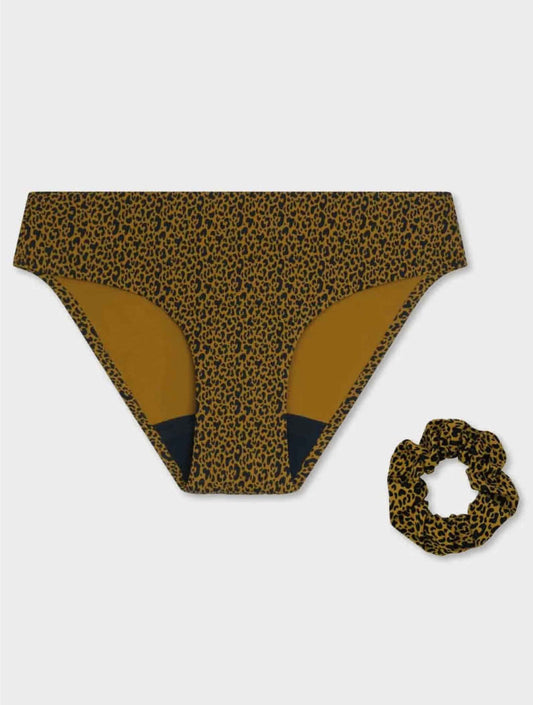
If you engage in water sports during your period, don’t forget your menstrual swimsuit!
6. Thyroid Problem
The thyroid gland, located at the base of our neck, is a major regulator of our hormones. If it malfunctions, your menstrual cycles will inevitably be disrupted. Several symptoms can alert you (always feeling tired or, on the contrary, having repeated insomnia, abnormal weight gain or loss, mood swings…). If in doubt, consult an endocrinologist.
7. Hormonal Treatment
If you are on thyroid treatment—or another treatment affecting hormones—and your menstrual cycle is disrupted, the dosage may need to be adjusted with your doctor.
8. Endometriosis
Besides causing painful periods, endometriosis can cause irregular bleeding or spotting. Sometimes so heavy that it might seem like starting a second cycle. If diagnosed, an appropriate pill or surgery may be prescribed.
9. Fibroids
Benign fibroids are small tumors that attach to the uterine wall following hormonal changes. They can cause heavy and frequent periods. Pelvic pain, especially during sex, or a constant need to urinate are often signs. See your gynecologist!
10. Polycystic Ovaries
Polycystic what? This somewhat technical term refers to very small cysts forming on the ovaries. A more and more common condition caused by endocrine disruptors… It causes short menstrual cycles and very spaced periods, acne, and excess hair growth in some women. Talk to your doctor about it.
By Elise