Preventing and Naturally Treating a Vaginal Yeast Infection
Yeast infections are nothing more than small fungi naturally present in our vaginal flora, which grow abnormally when it becomes disturbed. Stress, fatigue, antibiotic treatment, or excess sugar. The infamous Candida Albicans takes advantage of the imbalance in our flora to multiply, to the detriment of good bacteria. Fortunately, vaginal yeast infections are benign and can be treated naturally. You can even prevent recurrences with a few simple steps. Ready to go?
Is it possible to treat a yeast infection naturally?
Yes, absolutely, provided you are sure it is a yeast infection (either you know the symptoms well because you unfortunately experience them often—but not for long after this article—or your gynecologist has confirmed it).
Coconut Oil
You can have a vaginal infection and still pamper yourself with a summer scent in your underwear. Yes, we’re not going to punish ourselves too. Coconut oil is a natural antifungal, an immune system booster, and a softener. It’s the gentlest natural remedy to get rid of Candida Albicans. Use it pure or with a drop of tea tree essential oil on a clean cotton pad soaked with it. Apply it morning and evening on the vulva for a week. Choose organic, cold-pressed coconut oil.
Plain Yogurt
Who said dairy products are bad for health? While they can be hard to digest in adulthood and may promote hormonal acne, externally they work small miracles. Rich in probiotics, plain (organic) yogurts are ideal for rebalancing vaginal flora. Soak a sanitary tampon in it and leave it inserted in the vagina for an hour, twice a day for a week.
Garlic
Garlic? Did you mistake my vulva for a salad? No: here we’re not talking about local application but oral treatment. Garlic is known for its antibacterial properties thanks to allicin. And Candida Albicans doesn’t like allicin. This active compound blocks the growth of the nasty fungus in our vagina! So you can add double the garlic to your meals if you have a yeast infection, and if you have a date, you can take it as a supplement (less risky for your breath). Also know that garlic keeps vampires away, but not period cramps.
Preventing Yeast Infections and Their Recurrence:
Some women are more prone to yeast infections, but we can all significantly reduce their frequency. How?
Eat Less Sugar
Candida Albicans is a big glutton that feeds on sugar. To keep vaginal yeast infections away, you need to deprive it a bit by adopting a healthy diet, avoiding processed foods, and limiting sugar. That also means going easy on mojitos or other cocktails this summer: alcohol is liquid sugar… Pamper your vaginal flora with foods rich in zinc (seafood, whole grains, legumes), vitamin C, and vitamin A (go for carrots, one of the foods that make us naturally beautiful).
Choose the Right Soap
It’s worth repeating: don’t douche or irritate your vulva with unsuitable soaps. The vagina is self-cleaning; rinsing with water after sports or sex is enough, and for daily hygiene, prefer a soap with an alkaline pH (between 7 and 9). Ask your pharmacist for advice!
Take Probiotic Courses
As prevention, especially if you’re on antibiotics, probiotics and other yeasts help balance vaginal flora to prevent harmful fungi from developing.
Use Suitable Period Protection
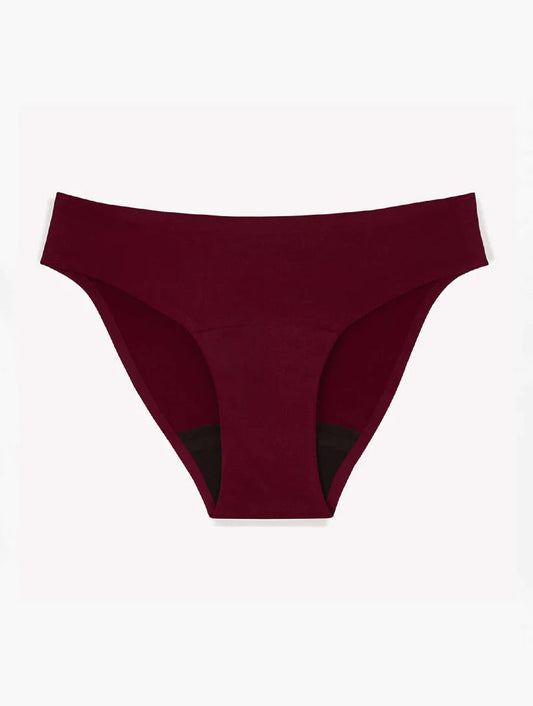
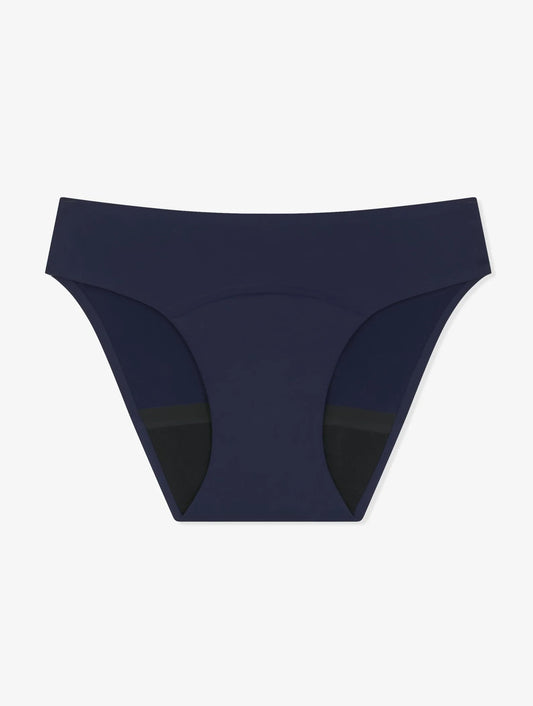
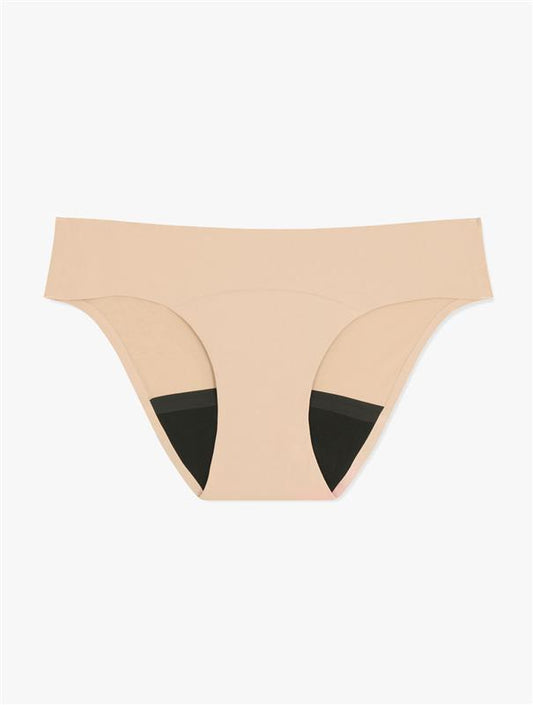
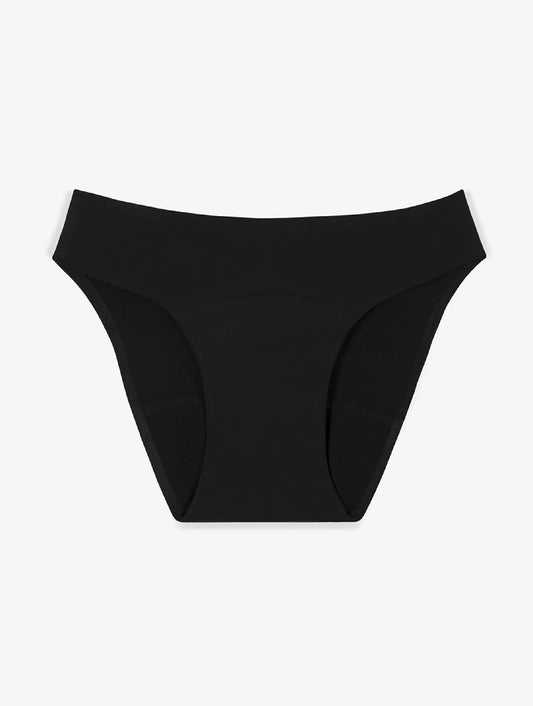
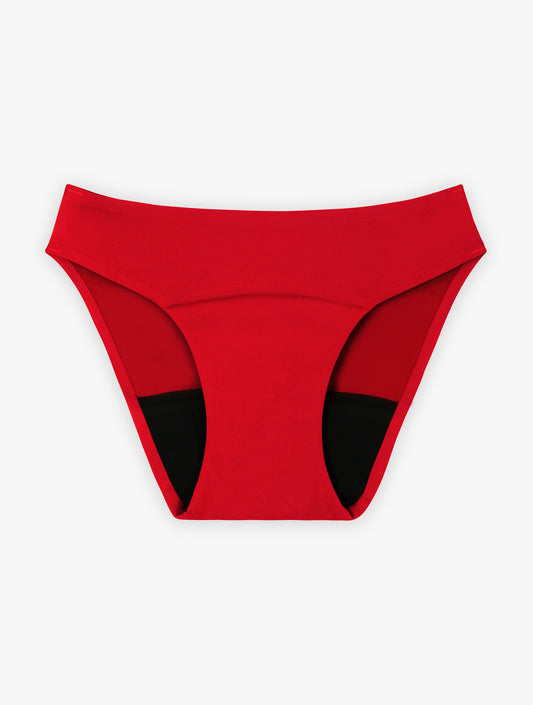
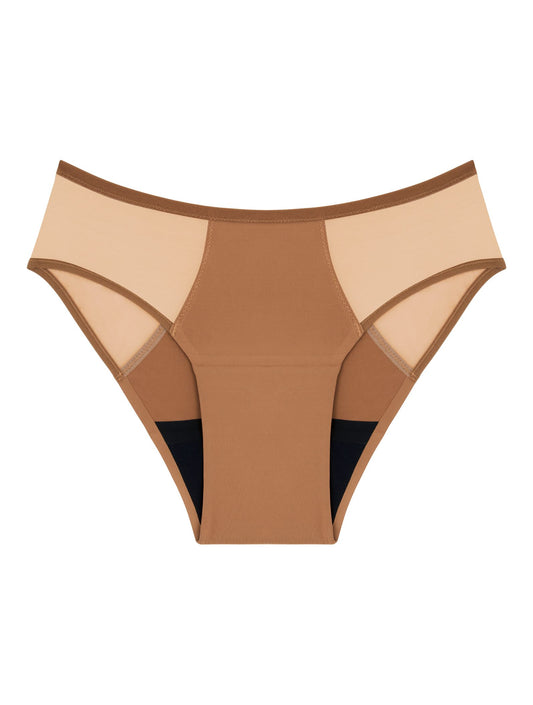
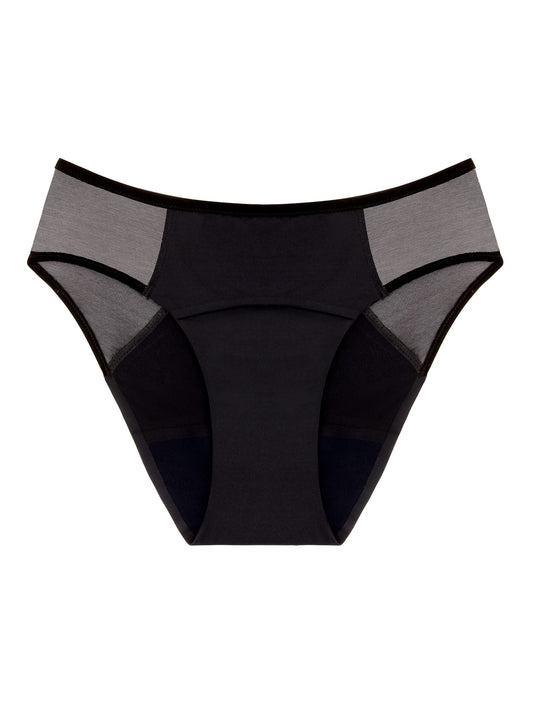
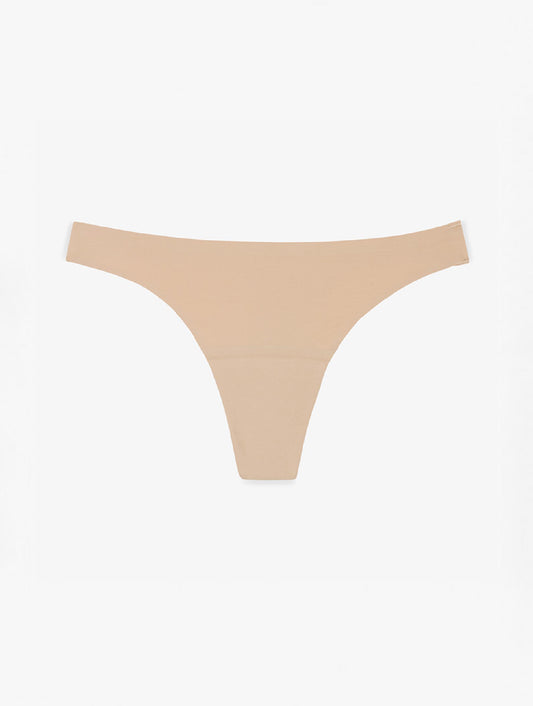
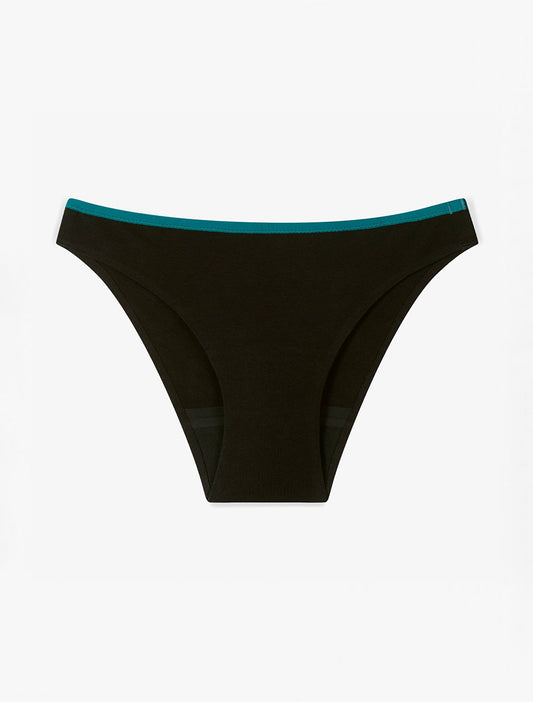
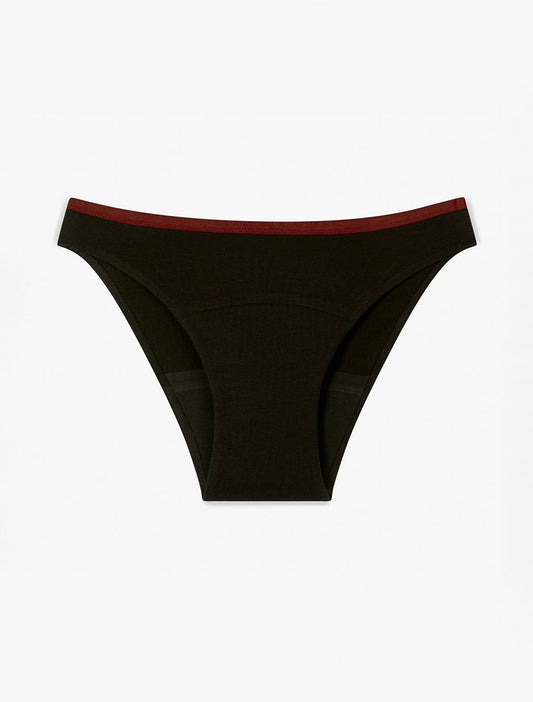
Finally, choose underwear that absorbs sweat, like cotton, and never keep a wet swimsuit on for too long. Bad bacteria thrive in moist fabrics. During your period, same fight: wear a pretty period panty or a menstrual swimsuit to avoid damage ;)
By Elise