Luteal phase: how long it lasts and what it changes
There are about ten days each month when many women don’t quite recognize themselves. Jeans feel tight, breasts are sensitive, mood swings over little things, and sugar cravings become an obsession. This period has a name: the luteal phase.
It is the second half of the menstrual cycle, the part from ovulation to menstruation. It is controlled by a particular hormone, progesterone, and it has a characteristic that few people know: it is the most stable phase of the cycle. Understanding how it works changes a lot, whether you are trying to decode your symptoms or identify your fertile period.
The luteal phase begins just after ovulation and ends with the start of menstruation. It lasts about 14 days.
- Its driver: the corpus luteum, formed from the ruptured follicle, which produces progesterone.
- Its duration: around 14 days, and it is the most consistent part of the cycle. When a cycle is long or short, it is almost always the follicular phase that varies.
- Its symptoms: tender breasts, bloating, fatigue, cravings, irritability. This is the window of premenstrual syndrome.
- Its function: to prepare the uterine lining to receive a fertilized egg.
- A marker: basal body temperature rises slightly after ovulation and stays high until menstruation.
- Warning: a luteal phase shorter than 10 days requires medical advice if pregnancy is planned.
What is the luteal phase
The luteal phase is the last of the three phases of the menstrual cycle. It starts the day after ovulation and ends when menstruation begins. Its name comes from the corpus luteum, the main player in this phase.
Its place in the menstrual cycle
To put it in context, here is how the three phases of the cycle follow one another.
The corpus luteum, this ephemeral organ
Once the egg is released, the follicle that housed it doesn’t disappear. It closes and transforms into a small temporary yellowish gland: the corpus luteum. It produces progesterone, in increasing amounts throughout the luteal phase.
What’s fascinating is that this organ has a programmed expiration date. If fertilization doesn’t occur, it degenerates after about two weeks, hormones collapse, and menstruation begins. It’s that simple, and it explains the regularity of this phase.
What is the duration of the luteal phase
About 14 days, with some margin
The MSD Manual states a luteal phase duration of about 14 days, except in case of pregnancy. In practice, a range of about ten to sixteen days is observed depending on the person, and this value remains fairly stable from cycle to cycle in the same woman.
Why cycle length mainly depends on the other phase
Here’s the point most articles overlook, yet it’s crucial. The CNGOF states clearly: once ovulation has passed, the corpus luteum enters a degeneration process lasting the remaining fourteen days. This duration hardly changes.
Direct consequence: if your cycle is 24 or 35 days, it’s not your luteal phase that varies, it’s your follicular phase. A long cycle means late ovulation, not lazy periods. This is a key insight that makes an irregular menstrual cycle much less anxiety-inducing.
If you know when your period starts, you can estimate your ovulation by counting backward: period date minus 14 days. In a 32-day cycle, ovulation therefore occurs around the 18th day, not the 14th. Many fertility calculations fail because they assume a theoretical 28-day cycle, while the MSD Manual reminds us that the normal duration ranges from 24 to 38 days.
The role of hormones during the luteal phase
Progesterone leads the way
During the first half of the cycle, estrogens dominate. After ovulation, progesterone takes over. It’s a complete hormonal shift, and it alone explains most of the sensations during this period.
What progesterone concretely changes
| Where it acts | What it causes | What you feel |
|---|---|---|
| Uterine lining | Thickening of the endometrium, which fills with fluids and nutrients | Sensation of heaviness in the lower abdomen |
| Cervical mucus | Thickening, forming a barrier to sperm and bacteria | Thicker discharge, less abundant than at ovulation |
| Body temperature | Slight rise in basal temperature, maintained until the period | Feeling warmer, sometimes restless sleep |
| Breasts | Stimulation of breast tissue | Tension, swelling, sensitivity to touch |
| Water retention | Change in water balance | Bloating, ring and jeans feeling tight |
Slide the table horizontally.
Estrogens do not disappear entirely: the corpus luteum also secretes them, in addition to progesterone. It is the ratio between the two, and especially their combined drop at the end of the phase, that triggers the most pronounced symptoms.
Luteal phase symptoms
Body side
Luteal phase symptoms vary greatly from woman to woman, and sometimes from cycle to cycle in the same person. The most frequently reported:
- Tense and painful breasts, sometimes to the point of disturbing sleep on the stomach. This is called hormonal mastodynia.
- Bloating and water retention, which explain the weight gain before the period. This is water, not fat, and it goes away with the period.
- Noticeable fatigue, often accompanied by less restful sleep.
- Cravings, especially for sugar. Our article on chocolate cravings explains this mechanism.
- Headaches, more reactive skin, sometimes acne flare-ups.
- Thicker discharge, and for some, slight spotting a few days before the period.
Mood side
Irritability, hypersensitivity, anxiety, and the feeling that everything is heavier than usual are extremely common at the end of the luteal phase. It’s not just in your head or a character flaw: the sudden drop in progesterone and estrogen directly affects neurotransmitters involved in mood.
When is it called premenstrual syndrome
When these symptoms recur every cycle in the days leading up to the period and affect daily life, it is called premenstrual syndrome, or PMS. Our article on premenstrual syndrome details the forms it can take.
A useful marker: bothersome symptoms are common, but symptoms that prevent you from working, sleeping, or maintaining relationships are not inevitable. They justify a consultation because treatments are available.
Luteal phase and fertility
If the egg is fertilized
Fertilization occurs within hours after ovulation, as the egg is only fertilizable for about twelve hours. If a sperm reaches it, the egg migrates to the uterus and implants in the uterine lining prepared by progesterone. This is exactly what the entire luteal phase was for.
The embryo then produces a hormone, human chorionic gonadotropin (hCG), the famous hormone detected by pregnancy tests. Its role is to keep the corpus luteum active so it continues producing progesterone until the placenta takes over. Therefore, menstruation does not occur.
If the egg is not fertilized
The corpus luteum regresses as expected. Estrogen and progesterone levels drop, the uterine lining is no longer maintained and sheds: this is menstruation, and a new cycle begins.
You do not get pregnant during the luteal phase. The fertile window is before and during ovulation, about six days per cycle, because sperm survive three to five days in the genital tract. Once ovulation has passed for more than a day, fertilization is no longer possible in that cycle. That does not mean you can skip contraception: accurately dating ovulation is much harder than it seems.
Short luteal phase and luteal insufficiency
From what duration
It is called a short luteal phase when it falls below ten to eleven days. When this shortness is accompanied by insufficient progesterone production by the corpus luteum, the term luteal insufficiency is used.
The reasoning is simple: if the phase shortens, the uterine lining does not have time to prepare properly, and the implantation of a fertilized egg becomes more difficult. This is why the topic often comes up in assisted reproductive technology (ART) and IVF journeys, or after repeated early miscarriages.
When to consult
A single shorter cycle means nothing. However, make an appointment if you notice that the period between your ovulation and your period is regularly less than ten days, especially in the context of a pregnancy plan or difficulties conceiving. Systematic spotting several days before your period should also be reported.
Other factors can disrupt this phase: significant stress, thyroid disorder, polycystic ovary syndrome, rapid weight loss, or very intense sports practice. The evaluation is done with a doctor, gynecologist, or midwife.
This article is informative and does not replace a consultation. Luteal phase deficiency remains a debated diagnosis and cannot be made solely based on a tracking app. Only a healthcare professional can assess it, relying on a clinical exam and hormone tests.
How to identify your luteal phase
Basal body temperature
This is the most reliable method to confirm ovulation retrospectively. Progesterone causes a slight rise in basal body temperature, by a few tenths of a degree, which remains until the period.
In practice: take your temperature every morning upon waking, before getting up and always under the same conditions. The sustained high plateau marks the start of your luteal phase. Then count the days until your period to know its actual length.
Other body signals
- Discharge: Cervical mucus is fluid and stretchable around ovulation, then becomes thicker and less abundant once the luteal phase is established. This is the clearest signal after temperature.
- Breasts: their sensitivity usually appears a few days after ovulation.
- Energy: many describe a peak in form around ovulation, then a gradual decline.
Noting all this over three or four cycles is enough to outline your personal pattern. A cycle tracking app can help, provided you remember it predicts based on averages and does not measure anything.
Living better through these ten days
The luteal phase is not shortened and progesterone is not eliminated. However, the transition can be significantly eased.
- Anticipate low-energy days in your schedule rather than blaming yourself for enduring them. Rescheduling difficult meetings when possible really makes a difference.
- Limit salt in the last few days to reduce water retention, and drink normally.
- Move gently: walking, yoga, swimming. Intense exercise is often harder to handle at the end of the cycle.
- Take care of your sleep, especially since the temperature rise disrupts it. Our tips for better sleep also apply during this time.
- Eat regularly to avoid blood sugar drops that increase irritability and cravings.
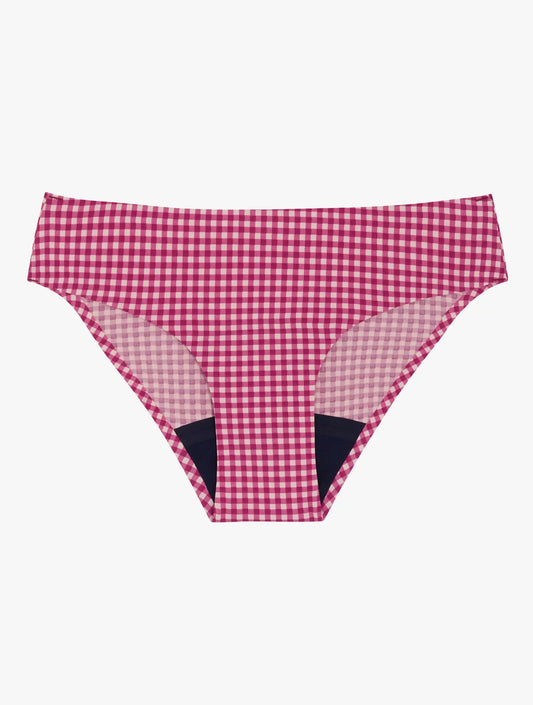
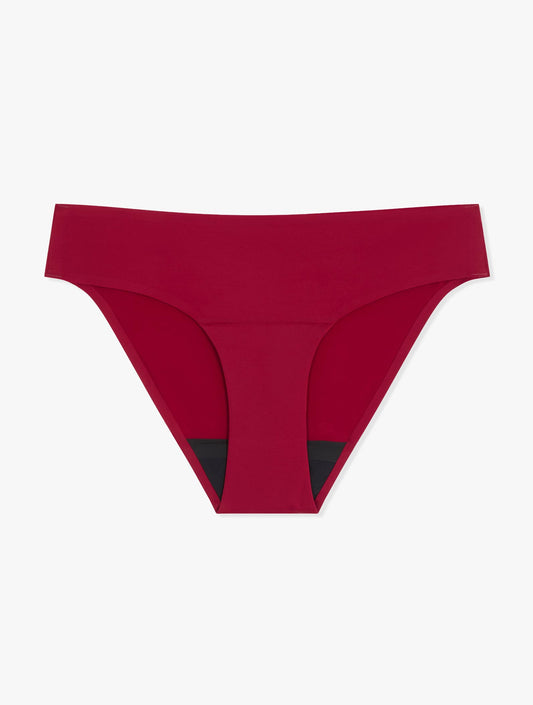
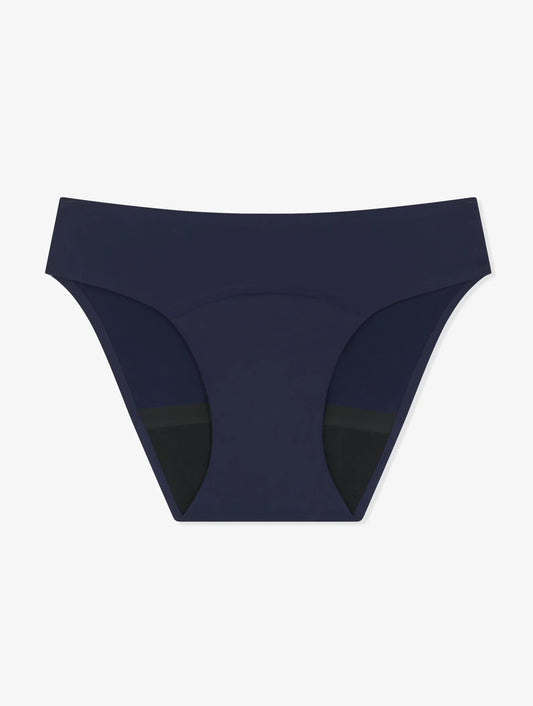
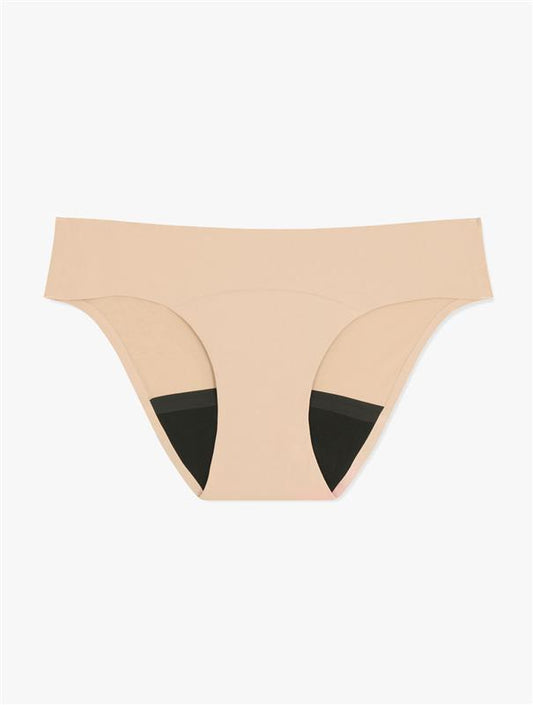
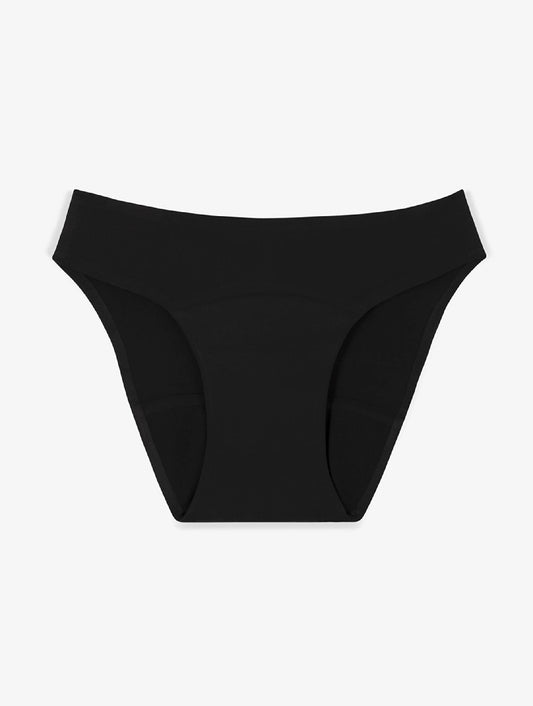
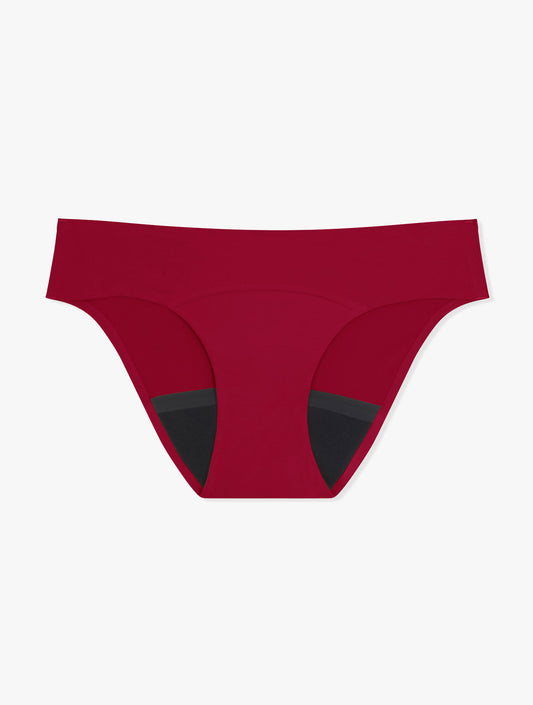
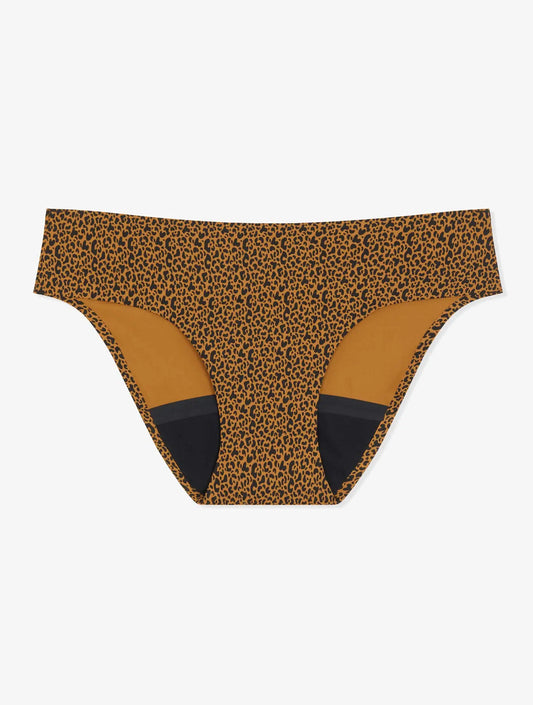
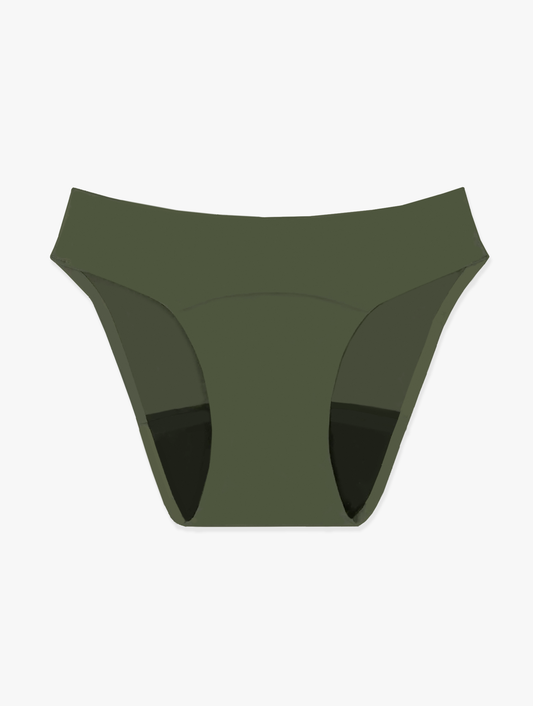
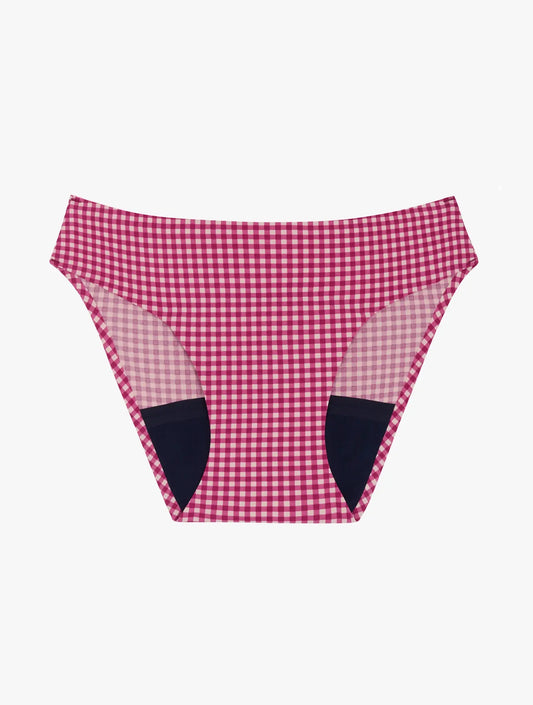
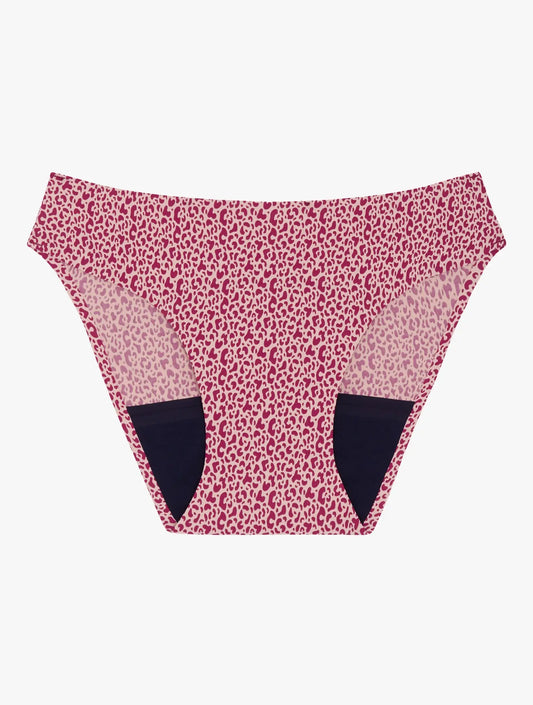
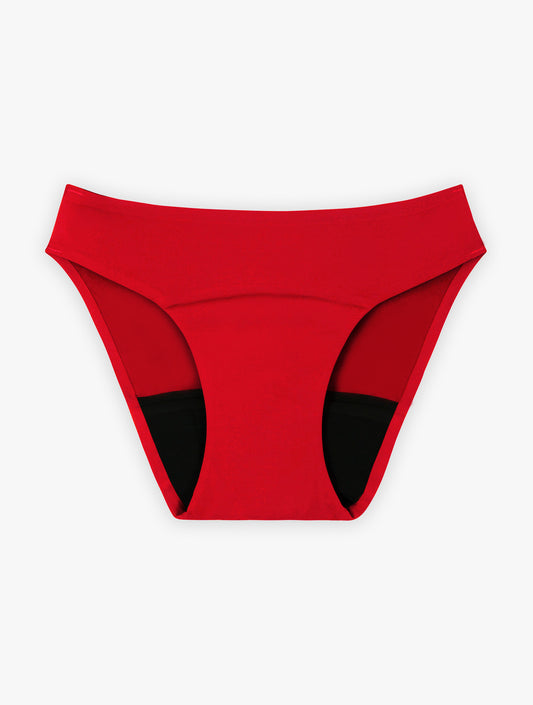
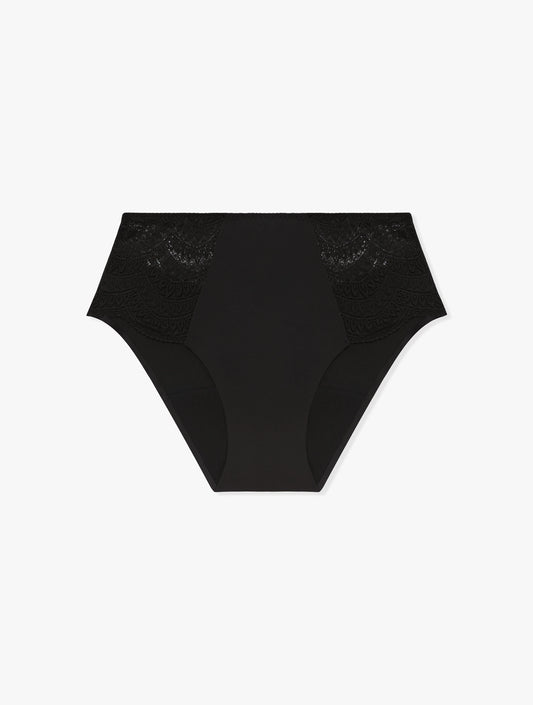
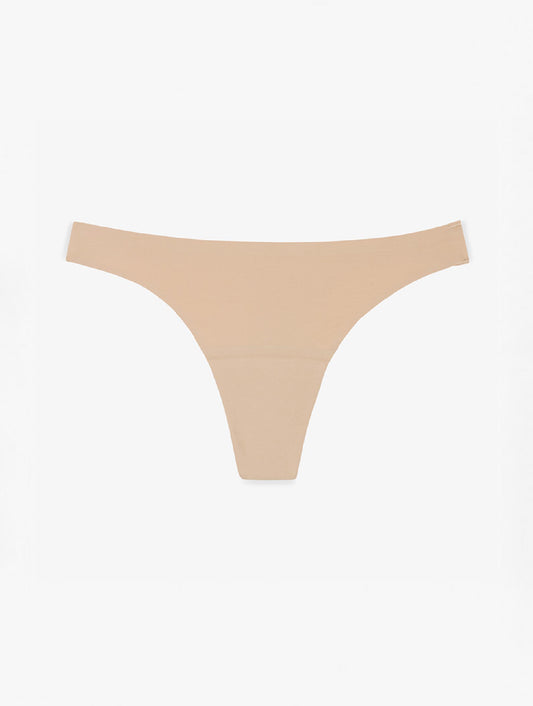
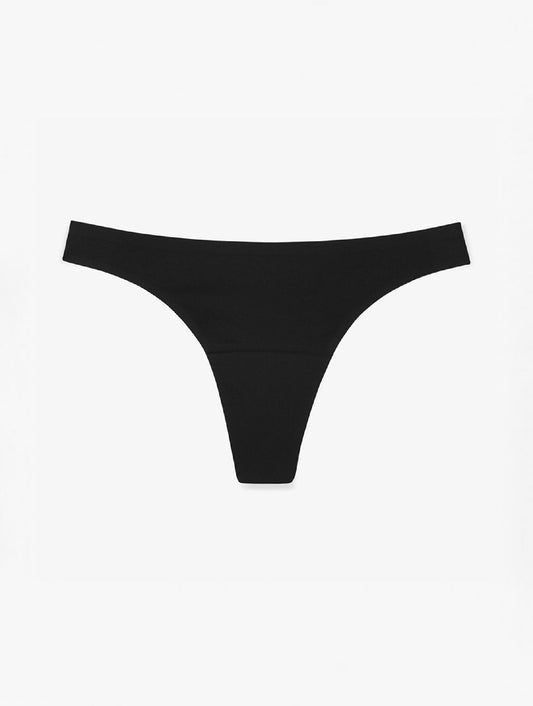
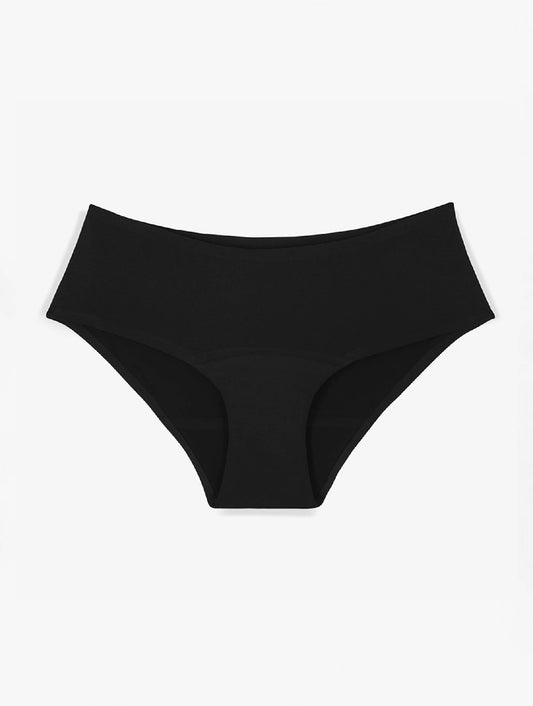
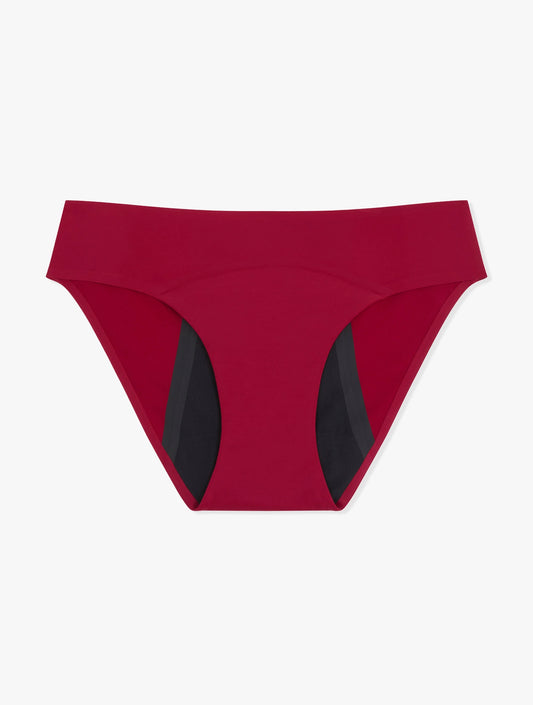
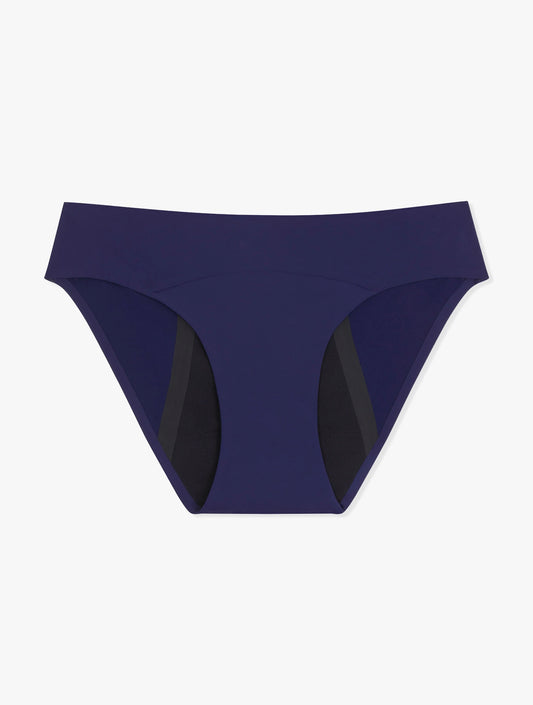
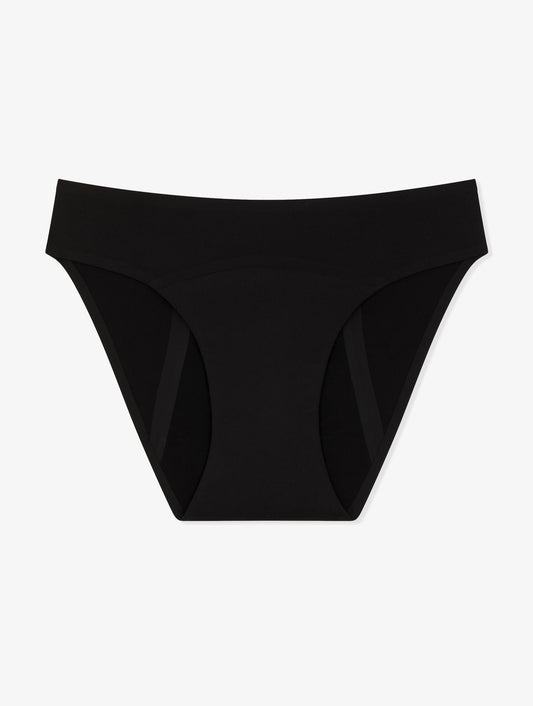
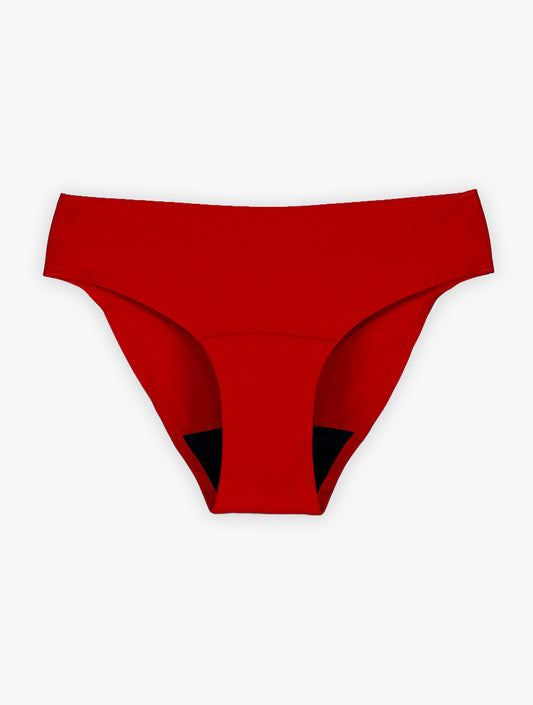
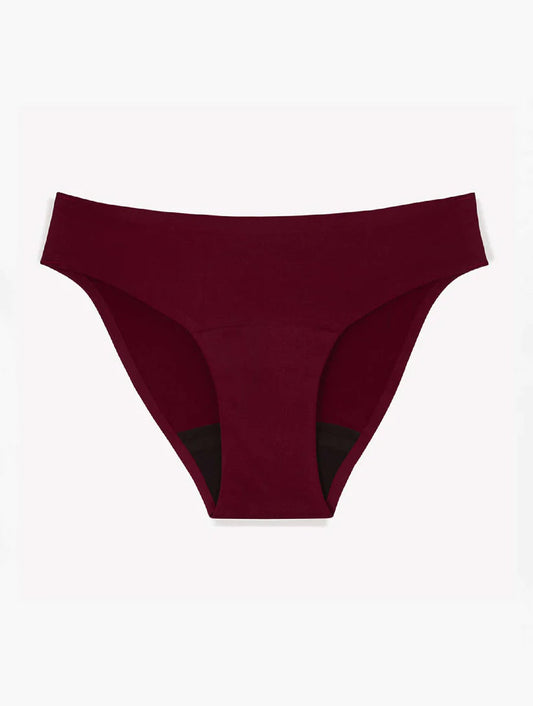
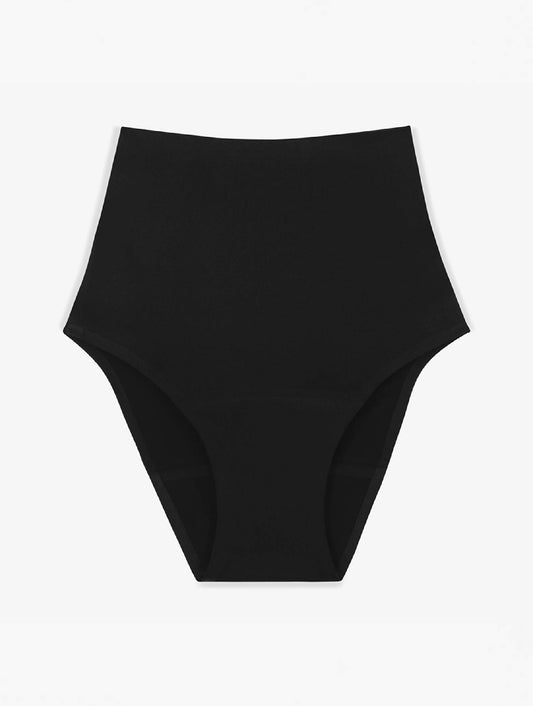
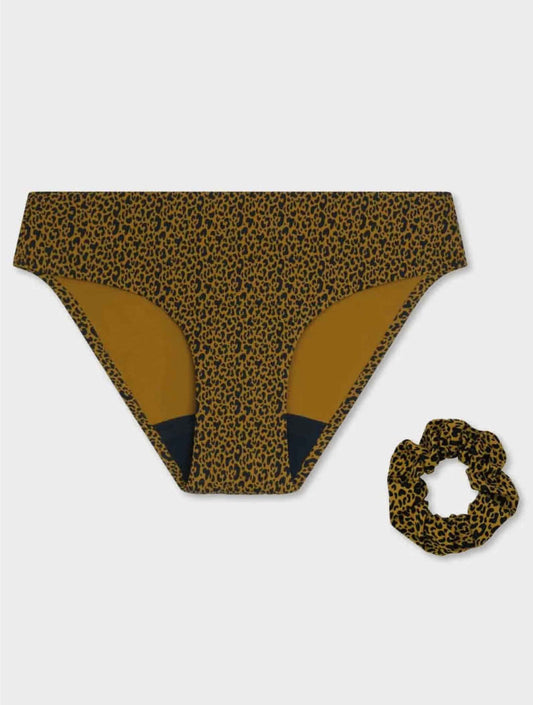
The most practical question remains: those last waiting days, when you never know exactly when it will start. This is when wearing absorbent underwear as a precaution avoids the stress of stains and the reflex of daily disposable panty liners.
 Light flow
 High waist
 Best-seller
Frequently asked questions
-
01What is the luteal phase and when does it occur?
The luteal phase is the third and final phase of the menstrual cycle. It begins just after ovulation and ends on the day menstruation starts. During this period, the ruptured follicle transforms into the corpus luteum and produces progesterone, which prepares the uterine lining to receive a potential fertilized egg.
-
02What is the normal duration of the luteal phase?
About 14 days according to the MSD Manual, with an observed range of about ten to sixteen days. It is the most stable phase of the cycle: when a cycle is longer or shorter than average, it is almost always the follicular phase, the one before ovulation, that varies.
-
03What are the typical symptoms of the luteal phase?
The most common symptoms are tender and sensitive breasts, bloating and water retention, fatigue, sweet cravings, headaches, more reactive skin, and mood swings. When these symptoms recur every cycle before menstruation and affect daily life, it is called premenstrual syndrome.
-
04What is the role of progesterone during this phase?
Progesterone is produced by the corpus luteum in increasing amounts. It thickens the endometrium and fills it with fluids and nutrients to nourish a potential embryo, thickens cervical mucus to form a barrier against sperm and bacteria, and causes a slight rise in basal body temperature that is maintained until menstruation.
-
05Can you get pregnant during the luteal phase?
No, fertilization is no longer possible once ovulation has passed for more than a day: the egg is fertilizable for about twelve hours only. The fertile window is before and during ovulation, about six days, because sperm survive three to five days. This does not eliminate the need for contraception, as accurately dating ovulation remains difficult.
-
06What is luteal phase deficiency?
A luteal phase shorter than ten to eleven days is considered short. When this shortness is accompanied by insufficient progesterone production by the corpus luteum, it is called luteal phase deficiency. The uterine lining then does not have enough time to prepare properly, which can complicate implantation. Diagnosis is made by a healthcare professional.
-
07How to calculate your luteal phase?
The most reliable method is to detect ovulation by basal body temperature, taken every morning upon waking under the same conditions, then count the days until the period. Conversely, you can estimate ovulation by subtracting 14 days from the expected period date. In a 32-day cycle, ovulation occurs around day 18, not day 14.
-
08Why do we have different discharge during the luteal phase?
Because progesterone thickens cervical mucus. Around ovulation, the discharge is fluid, transparent, and stretchable to facilitate sperm passage. Once the luteal phase begins, it becomes thicker, whiter, and less abundant. Slight spotting a few days before the period is also common.
- MSD Manual, public version, The menstrual cycle
- National College of French Gynecologists and Obstetricians (CNGOF), The menstrual cycle