Do You Gain Weight During Your Period?
Weight gain during your period is a topic that worries and puzzles many menstruating people.
Bloating sensation, swollen belly, a higher number on the scale, unusual fatigue, or stronger cravings… These phenomena usually occur at the same time in the menstrual cycle! But is it really weight gain, or is it a temporary effect linked to hormones?
Understanding better what happens in your body helps you go through this period more calmly and adopt solutions suited to your symptoms without worrying.
In this article, we explain where the weight gain observed during your period may come from and how to cope with it or even relieve it.
Hormonal fluctuations and their impact on weight
The menstrual cycle is regulated by several hormones, especially estrogen and progesterone. Their levels fluctuate throughout the month and directly influence the body, metabolism, and water retention.
In the luteal phase, that is just before the period, progesterone increases. This hormone promotes water retention, slightly slows digestion, and can increase the feeling of bloating or even cause temporary constipation. As a result, the number on the scale can increase by 1 to 3 kilos, without it being fat mass.
Estrogens play a role in appetite and insulin sensitivity. When they drop before menstruation, it is common to feel hungrier or crave sugar. These mechanisms largely explain the link between weight gain and periods.
Why do I gain weight before my period?
Weight gain before your period is most often temporary. As explained earlier, it is linked to several combined factors.
First, water retention is the main cause. The body stores more fluids, causing a swollen belly, heavy legs, and sometimes even a more pronounced face.
This is added to the slowing of intestinal transit, common at the end of the cycle.
Cravings also play a role. The body demands more energy, especially in the form of carbohydrates, to compensate for hormonal changes and increasing fatigue. Be careful, eating more does not necessarily mean gaining fat, especially if it is occasional!
Finally, stress and lack of sleep, often increased before the period, can disrupt weight regulation. Cortisol, the stress hormone, also promotes water retention and, as you can guess, temporary weight gain!
What are the physical and psychological symptoms related to periods?
Periods are not limited to bleeding. They come with many symptoms that can vary from person to person.
Physically, common symptoms include bloating, a feeling of abdominal heaviness, pelvic pain, more sensitive breasts, fatigue, and sometimes headaches. These symptoms can then increase the feeling of swelling and weight gain.
Psychologically, hormonal fluctuations can also cause symptoms before and during periods, such as irritability, anxiety, low mood, or difficulty concentrating.
When there is premenstrual syndrome, the feeling of discomfort or the negative relationship one has with their body and self-image can intensify (if this is usually the case), especially when weight seems to increase suddenly.
How to reduce weight gain and bloating during your period?
Even though weight gain related to periods is natural and temporary, some habits can help limit discomfort:
For example, drinking enough water is essential! It may seem counterintuitive, but good hydration helps the body eliminate excess salt and reduce water retention. Limiting ultra-processed and salty foods can also help reduce bloating.
Favoring a balanced diet rich in fiber, fruits, vegetables, and proteins supports digestion and avoids blood sugar spikes. Foods rich in magnesium, like nuts or dark chocolate, can also help reduce tension and sugar cravings.
Gentle physical activity, such as walking, yoga, or stretching, promotes circulation and drainage. It also helps manage stress and fatigue better. This can be especially useful at the first signs of tiredness and anxiety!
How to weigh yourself appropriately during the menstrual cycle?
You’ve understood that weighing yourself during or just before your period can be misleading. The number shown does not always reflect the reality of body composition and can mainly cause anxiety.
For more reliable tracking, it is recommended to weigh yourself always at the same time in the cycle, for example a few days after your period ends, when hormones are more stable and water retention decreases. Comparing your weight at different phases of the cycle can be misleading since your body changes week by week.
It is also useful to remember that weight naturally fluctuates daily. So it is not necessarily recommended to focus regularly and solely on the scale, especially during menstruation.
What solutions exist to manage weight gain related to periods?
The first solution is information. Understanding that weight gain and periods are linked to normal hormonal mechanisms helps reduce anxiety and avoid unnecessary restrictive diets. It’s better to let go of the scale during these few days and listen to your body!
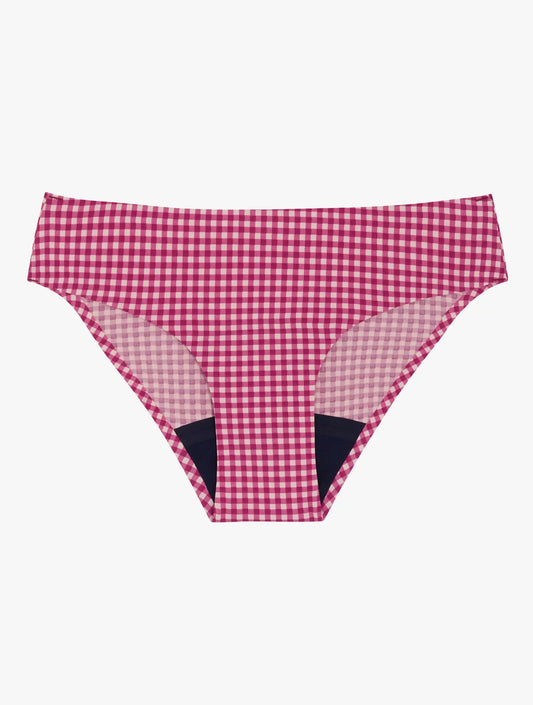
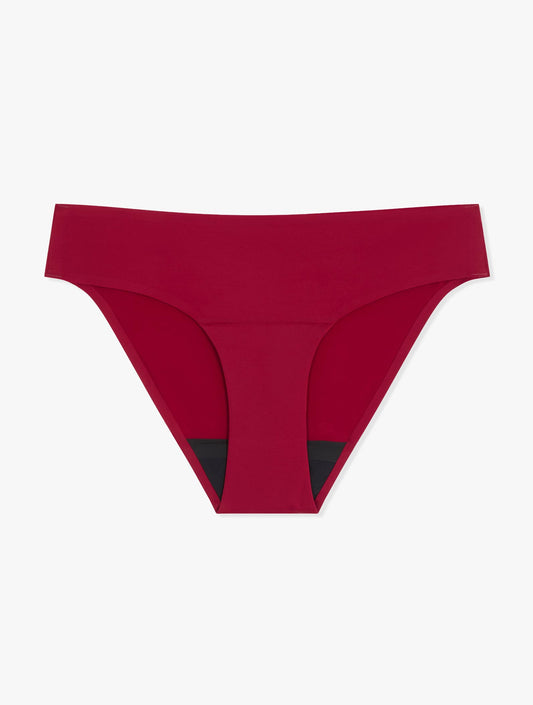
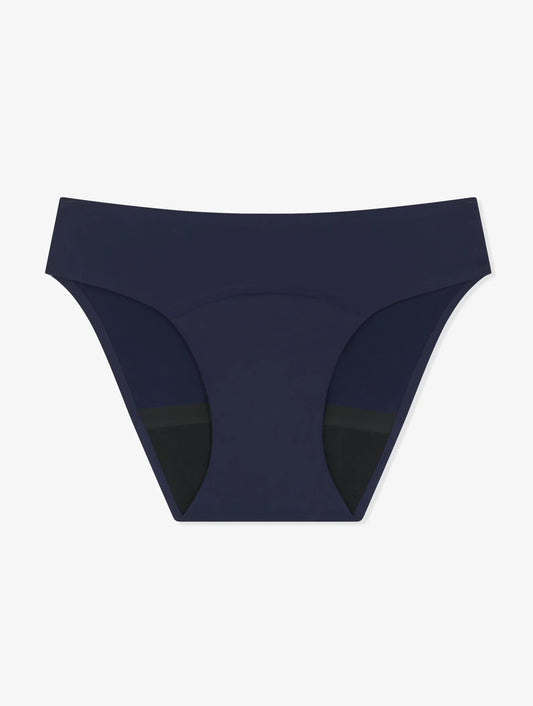
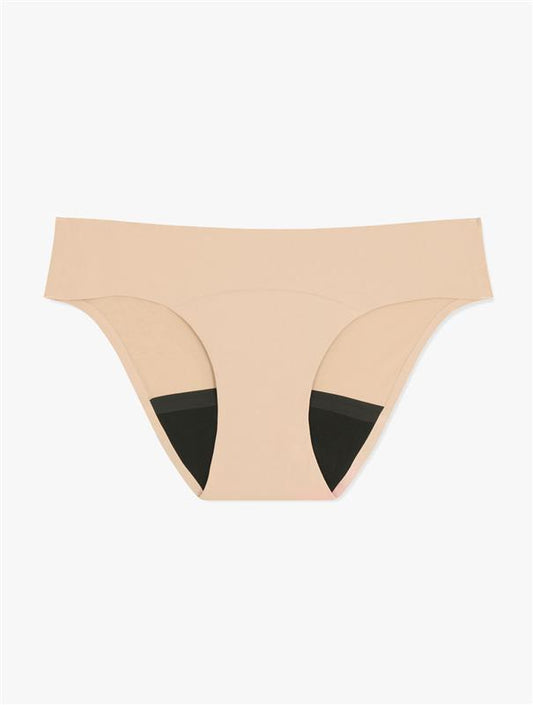
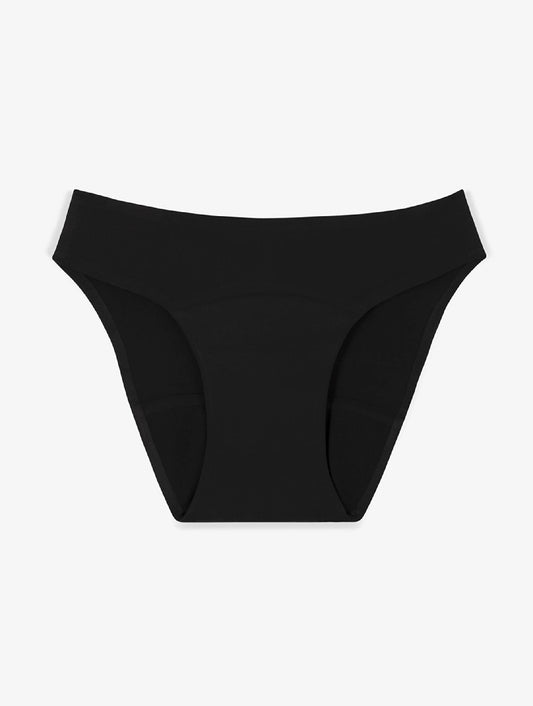
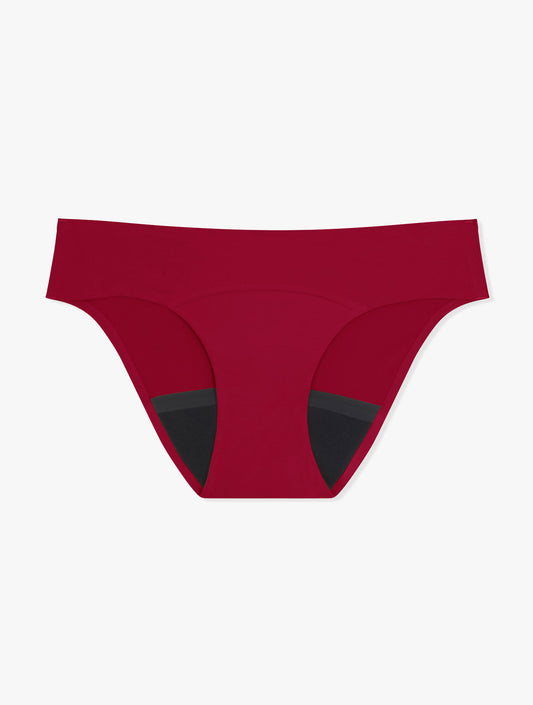
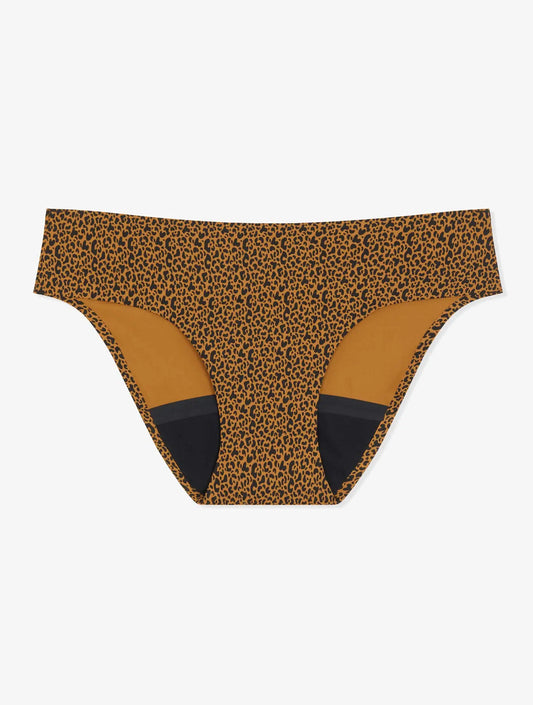
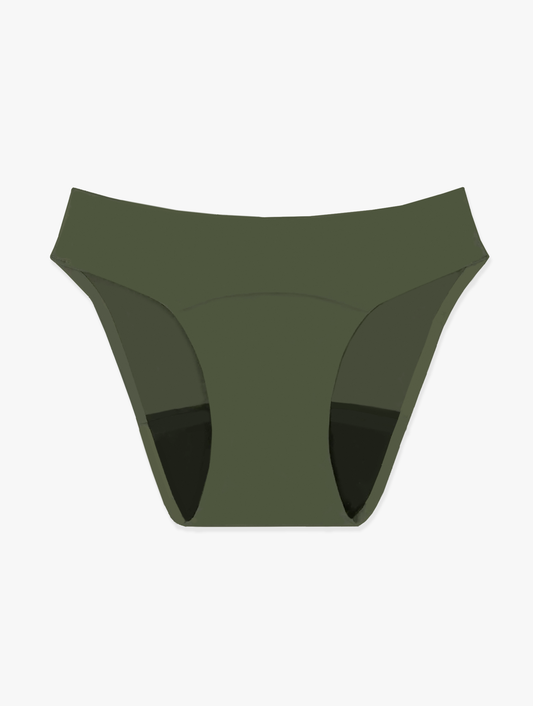
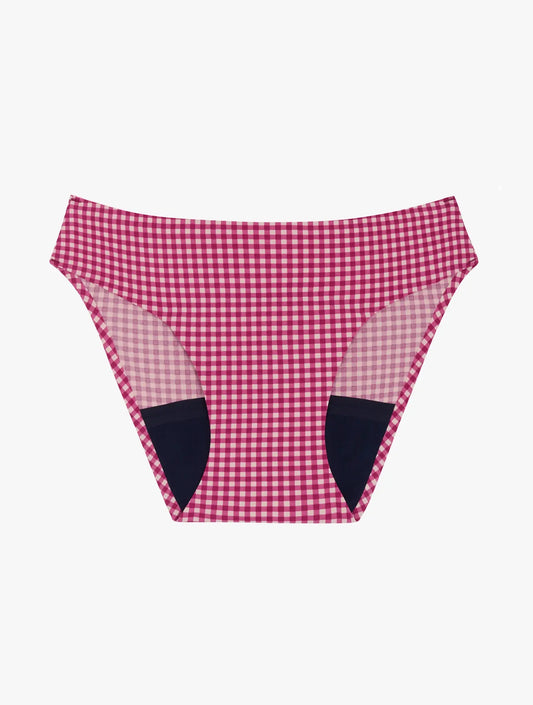
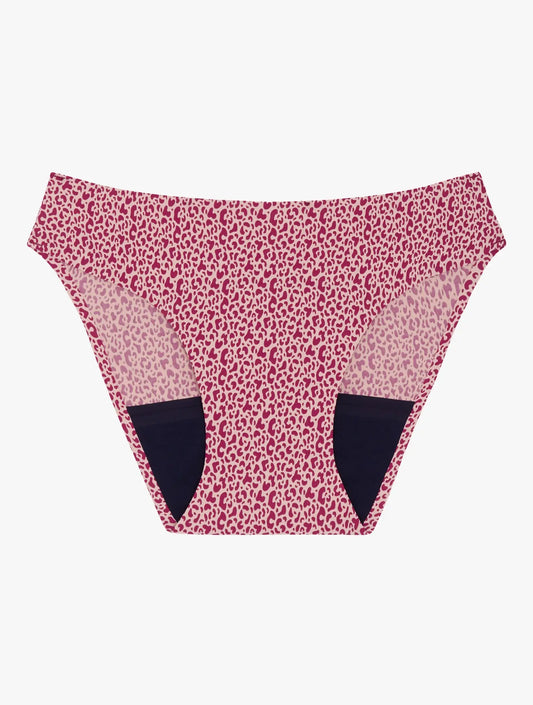
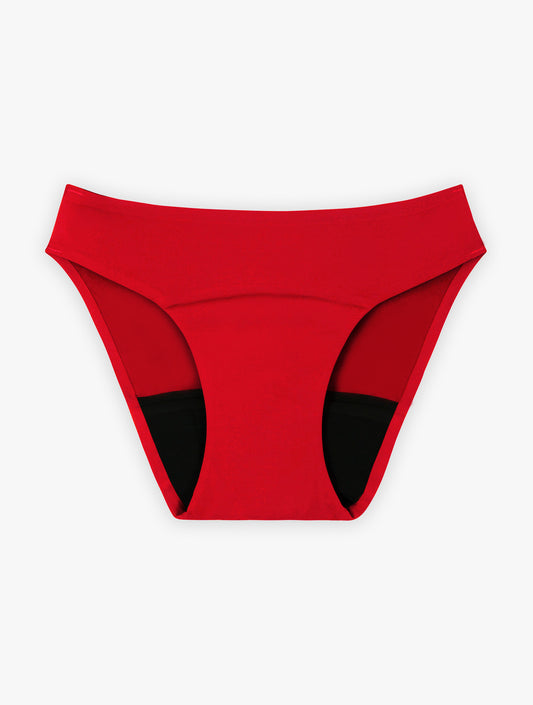
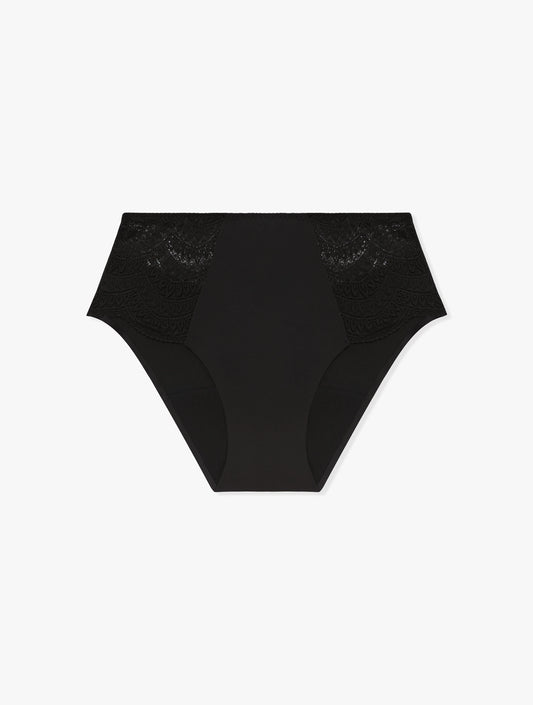
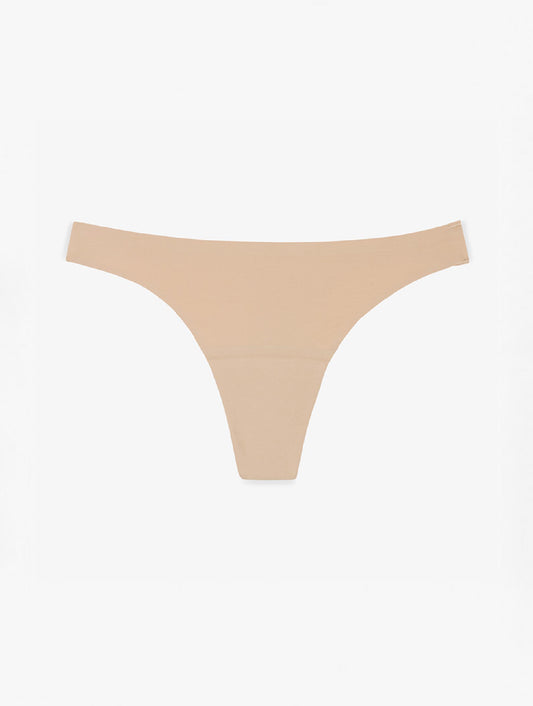
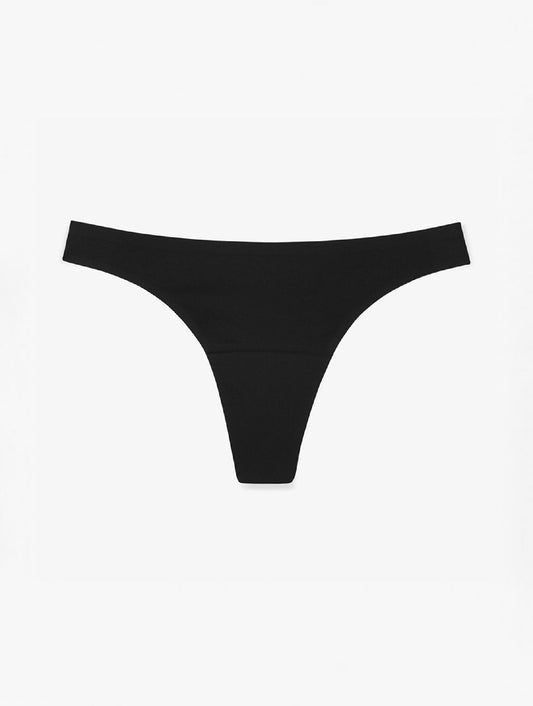
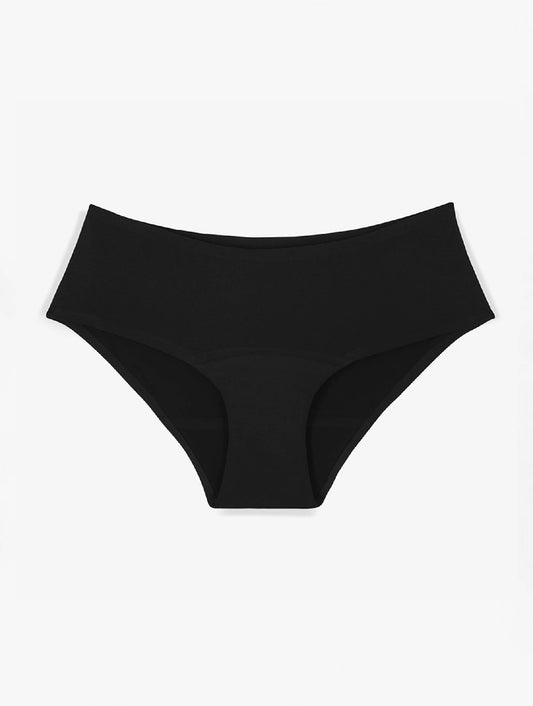
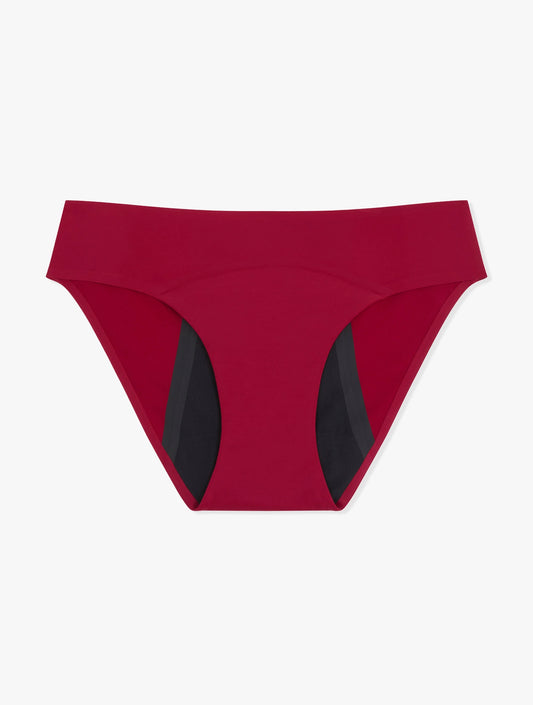
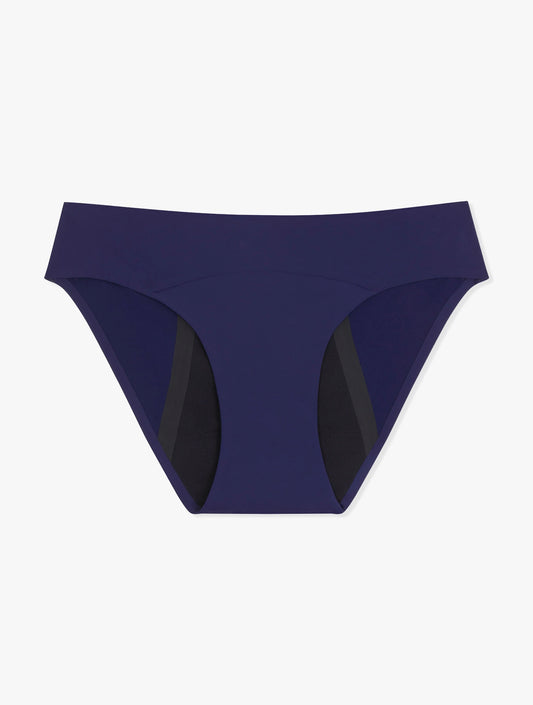
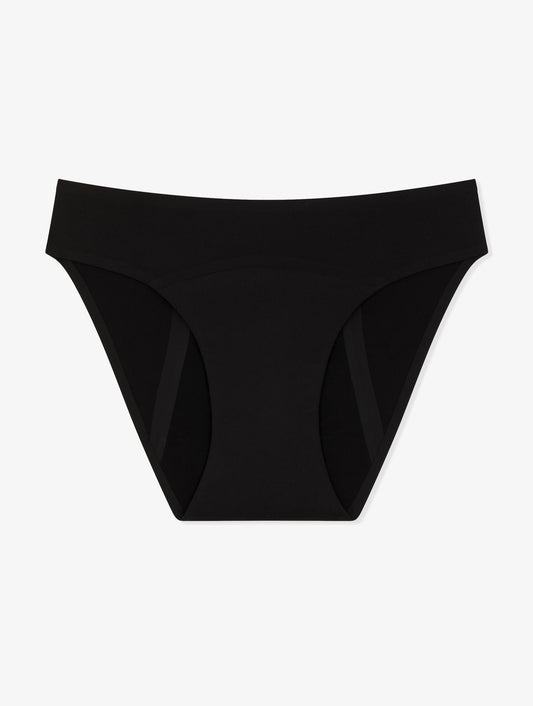
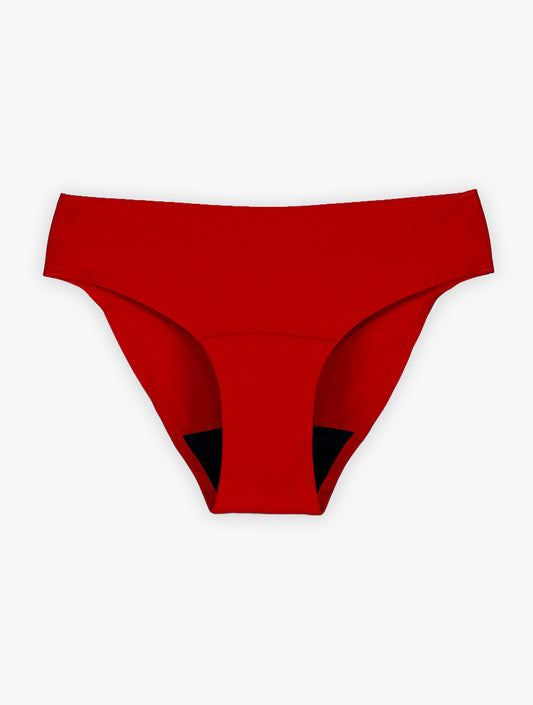
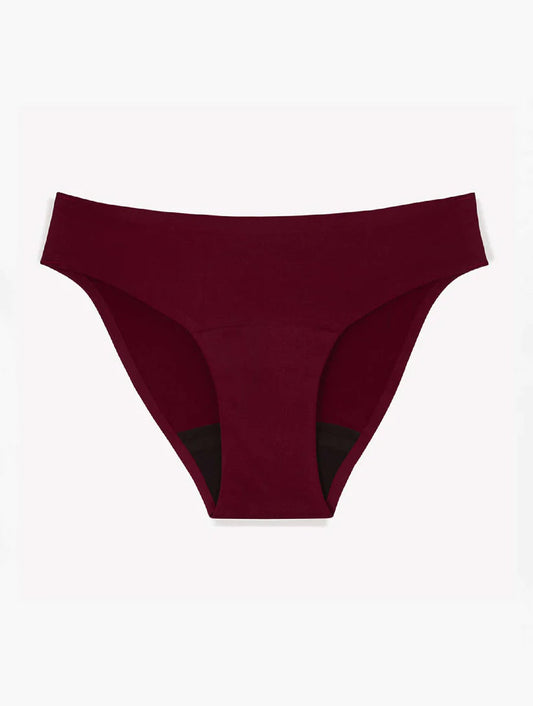
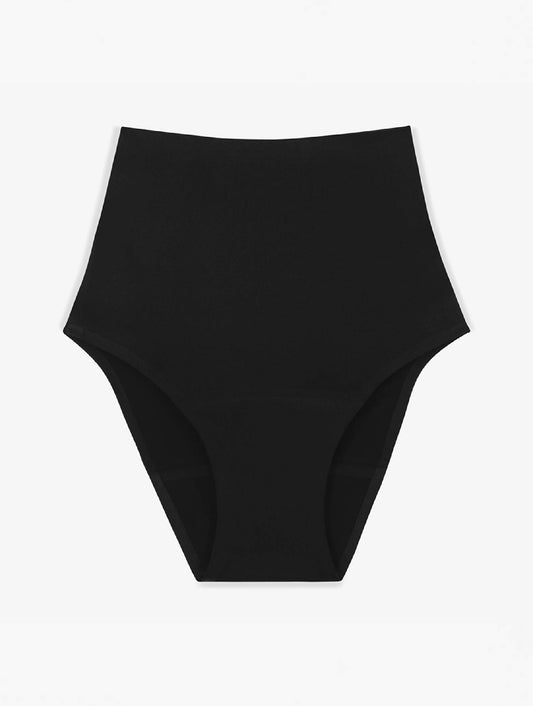
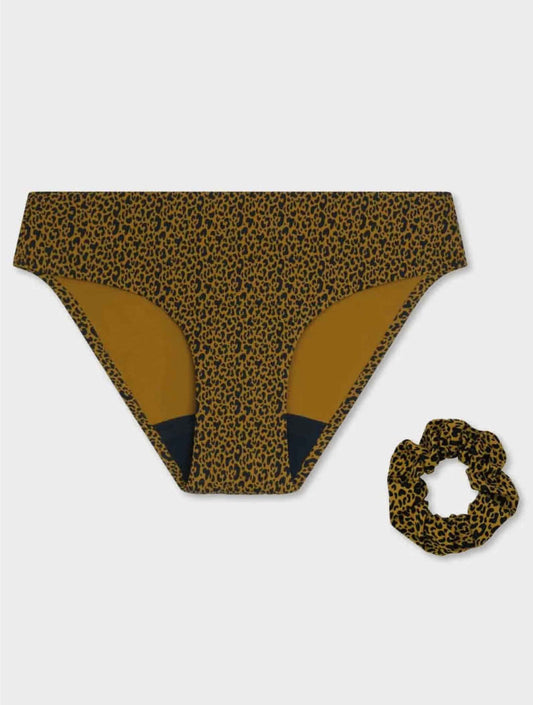
Using comfortable and suitable menstrual protection, like menstrual panties, also contributes to overall well-being. They offer a feeling of security, support, and freedom of movement, even with bloating. Feeling comfortable in your clothes and body helps you better get through this period, so don’t hesitate to wear clothes that aren’t too tight. Note that at Smoon, we also offer plus-size menstrual panties.
Some people also find relief with targeted dietary supplements, like magnesium or vitamin B6, always with professional health advice if needed.
Finally, remember to stay well hydrated!
Weight gain during your period is in the vast majority of cases temporary and linked to water retention, hormonal fluctuations, and appetite changes. It does not correspond to true fat mass gain. Learning to listen to your body, adapting your habits, and choosing comfortable solutions like Smoon’s washable menstrual panties helps you get through the menstrual cycle more peacefully. Find all our models of French menstrual panties directly on our website!