How Does Stress Affect Menstruation?
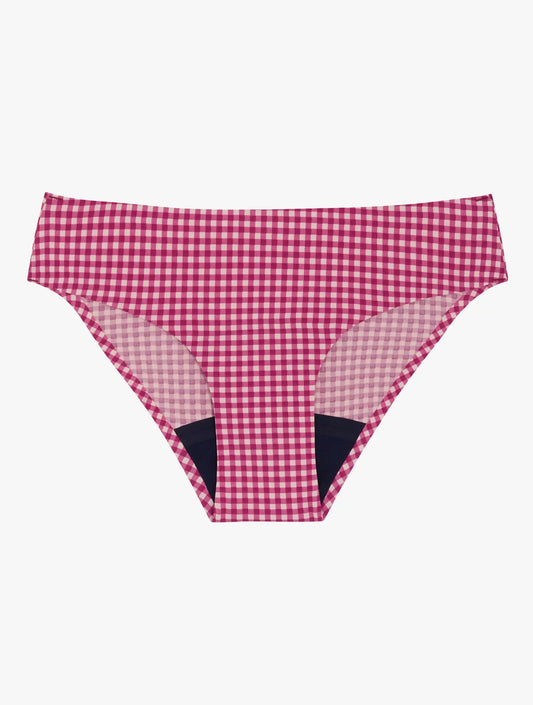
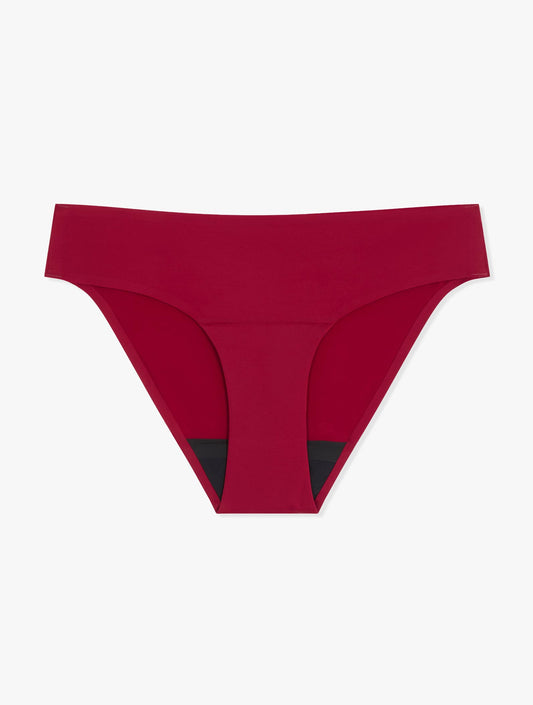
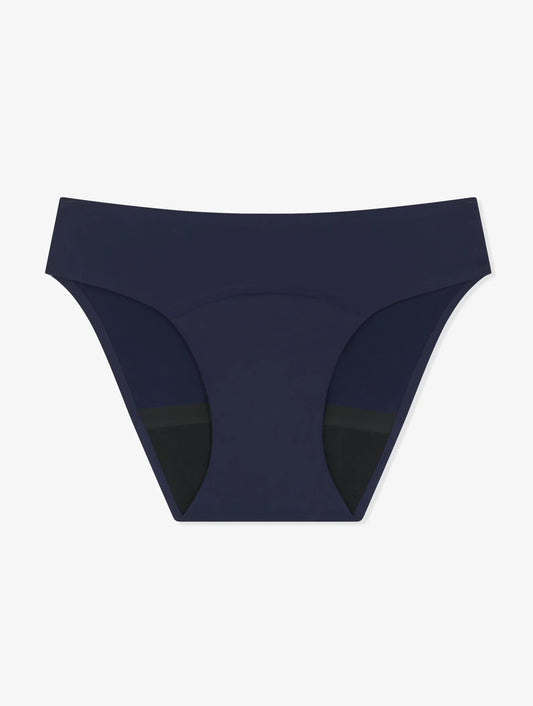
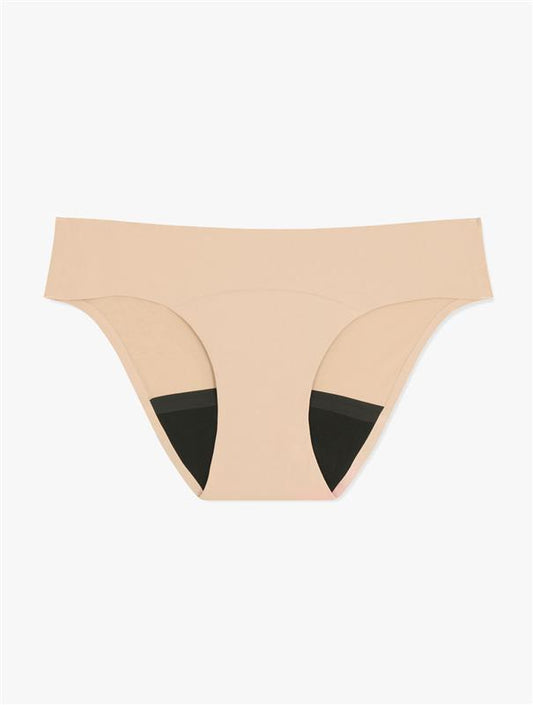
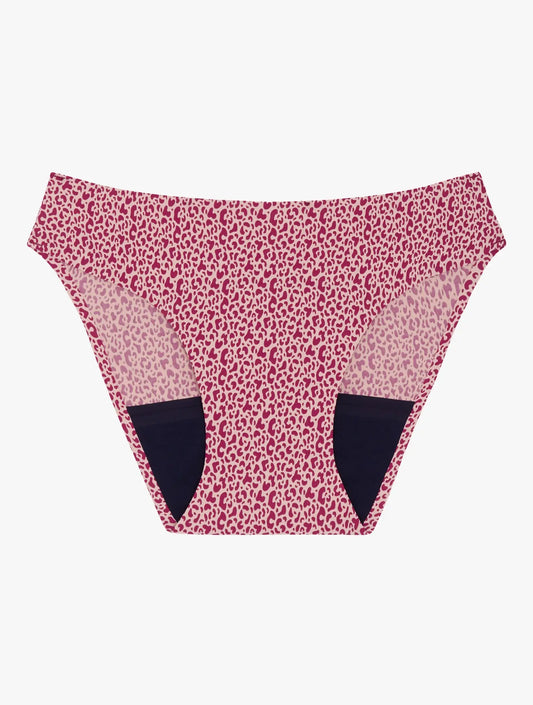
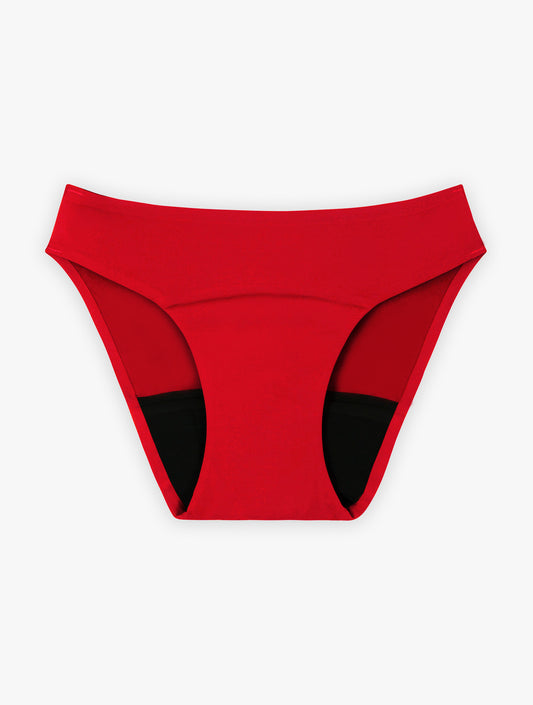
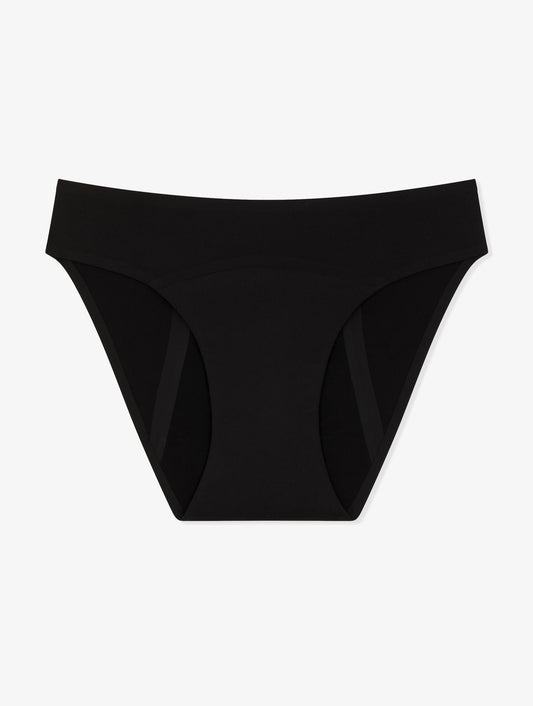
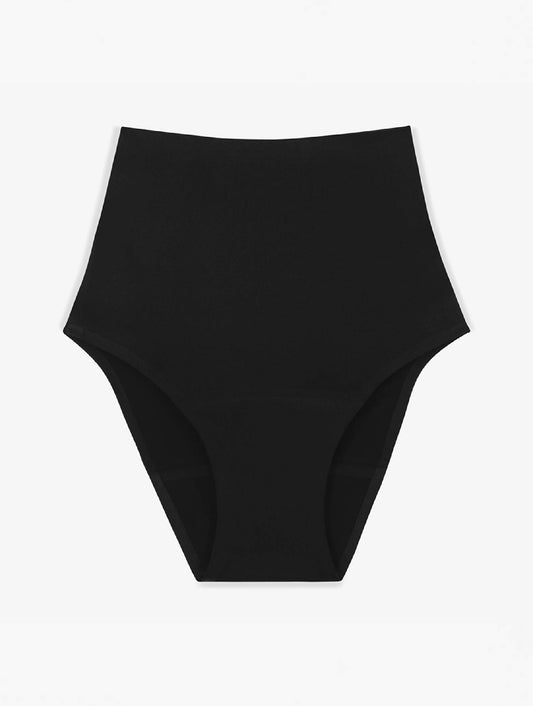
Late periods, missed menstruation, heavy bleeding that can only be managed with menstrual panties for heavy flow: the menstrual cycle depends on hormones whose delicate balance can be disrupted by various factors. At the top of the list: stress, a true scourge of our modern society, whose devastating effects on the body affect many women.
How does stress affect menstruation? We review the different effects this major cycle disruptor can have on our periods.

Stress, Hormones, and the Menstrual Cycle: The Infernal Triangle
To cope with stress, the body secretes a number of hormones in quantities higher than normal. These include adrenaline (nicknamed the warrior hormone) and cortisol (rightly called the stress hormone). It is this second hormone, cortisol, that we will focus on.
Let's introduce it! Under normal circumstances, cortisol secreted by the adrenal glands is a vital hormone that regulates blood sugar and blood pressure, participates in bone development, and acts as a natural anti-inflammatory. During periods of stress, cortisol is released in high amounts, which can affect, among other things:
- the secretion of progesterone and estrogen (reduction of progesterone and increase of estrogen with potential effects on ovulation);
- the production of GABA, a neurotransmitter capable of reducing pain (decreased GABA production with potential effects on premenstrual syndrome);
- thyroid function (cortisol suppresses TSH secretion and prevents the thyroid gland from producing T4 hormone with potential effects on ovarian function).
Amenorrhea: Can Stress Stop Your Period?
Prolonged exposure to significant stress can lead to a complete absence of periods. Amenorrhea is when menstruation is absent for more than three consecutive months. Other psychological factors can explain this phenomenon, and it can sometimes be difficult to untangle our mental states: shock, depression, anxiety.
In any case, before considering stress, it is necessary to rule out certain physical reasons:
- pregnancy (to be sure, don’t hesitate to take a pregnancy test);
- prolonged breastfeeding (called lactational amenorrhea during which women do not have periods and do not ovulate);
- hormonal contraception (birth control pill, hormonal IUD, contraceptive implant can reduce bleeding or even cause absence of periods);
- uterine surgery (curettage, conization, cervical amputation…);
- early or natural menopause;
- ovarian dystrophy or polycystic ovary syndrome;
- autoimmune disease (type I diabetes, lupus, myasthenia, Crohn’s disease, rheumatoid arthritis…);
- anorexia (absence of periods affects about 90% of anorexic patients).
Light Periods Due to Stress, Is It Possible?
Psychological stress can affect the ovaries. This is called ovarian insufficiency, which results in light bleeding during periods. This mainly occurs at the time of first menstruation during puberty or at menopause. While having light bleeding is not problematic in itself, these symptoms can help detect deeper disorders that could lead to complications. Worth monitoring!
Irregularity and Disruption: When Stress Plays with Your Cycle Length
Is your menstrual cycle irregular? Sometimes lasting 45 days, sometimes 15? If you notice this irregularity occasionally, there is no need to worry. You may have had a difficult month… However, if this persists, it is necessary to consult a gynecologist, as these hormonal irregularities could be linked to the presence of an ovarian cyst or polycystic ovary syndrome. If no physical disorder is diagnosed, stress could very well be the cause of your irregular menstrual cycle.
Never knowing when your period will arrive can have more or less problematic consequences. Constantly being on alert can increase your stress even more and trap you in a vicious cycle. Also, if your menstruation occurs too frequently, you risk exhaustion, especially due to regular iron loss.
The ideal solution, once again, is to consult a specialist who can find the best medications with you while you work on reducing your stress.
Painful Periods: Dysmenorrhea
A study published in December 2004 in the scientific journal Occupational & Environmental Medicine highlighted the influence of stress on painful periods. The authors showed that women exposed to high levels of stress were twice as likely to suffer from dysmenorrhea. The researchers noted that stress causes more pain in many women during the menstrual phase (when the uterine lining breaks down and flows out through the vagina) and the proliferative phase (when the uterine lining rebuilds). Stress causes less pain during the secretory phase (when the uterine lining thickens after ovulation).
What to Do About Stress?
The good news about cycle disorders caused by stress is that they are reversible! Generally, there is no reason to be alarmed! If your cycle irregularity is really significant, your gynecologist may suggest painkillers, hormonal treatment, or even antidepressants. Most of the time, the cycle restores itself once the stress disappears.
The best way to manage the situation is to address the root cause of stress. Cutting out all sources of pressure is almost impossible, so the most effective strategy is to reduce tension points and take natural care of your health.
To treat the effects of stress on the menstrual cycle (including the well-known pains related to premenstrual syndrome), why not turn to gentle therapies like homeopathy, acupuncture, herbal medicine, or aromatherapy? A healthier lifestyle can also have a beneficial role.
Of course, exercise! Especially swimming, because good news, we offer a menstrual swimsuit.
Here’s your chance to say goodbye to cigarettes, alcohol, and coffee and hello to supplements like magnesium and vitamin B6! Regular practice of relaxing physical activity can also help you relieve stress and restore harmony between body and mind: yoga, sophrology, tai chi, qi gong, or meditation await you.
By Valérie