Washable sanitary pads: the most frequently asked questions
As economical and ecological alternatives to disposable sanitary products, washable sanitary pads (WSP) have been gaining ground in recent years. What health benefits do these reusable intimate protections offer? Are they expensive? How do you use and care for them? We cover the most frequently asked questions about washable sanitary pads.
What are washable sanitary pads used for?
Washable sanitary pads or WSP are hygiene products designed for women to absorb menstrual blood. Unlike tampons or menstrual cups (classified as internal hygiene products), reusable sanitary pads, like washable panty liners, are external protections placed inside the underwear. They can also be used for urinary leaks.
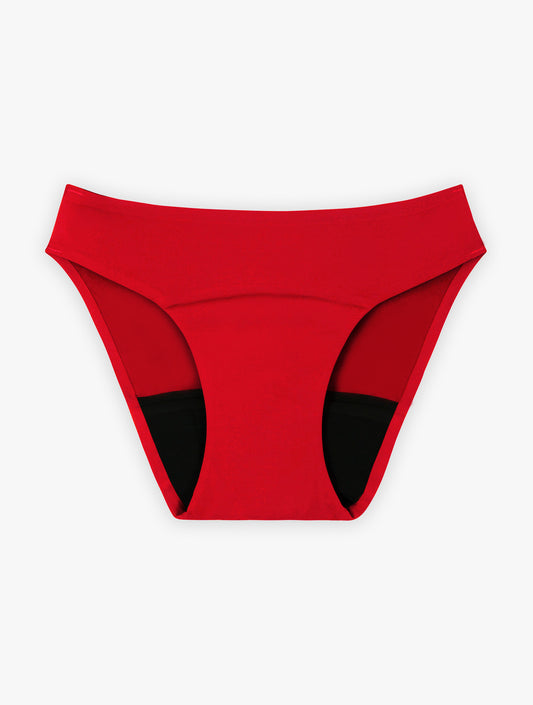
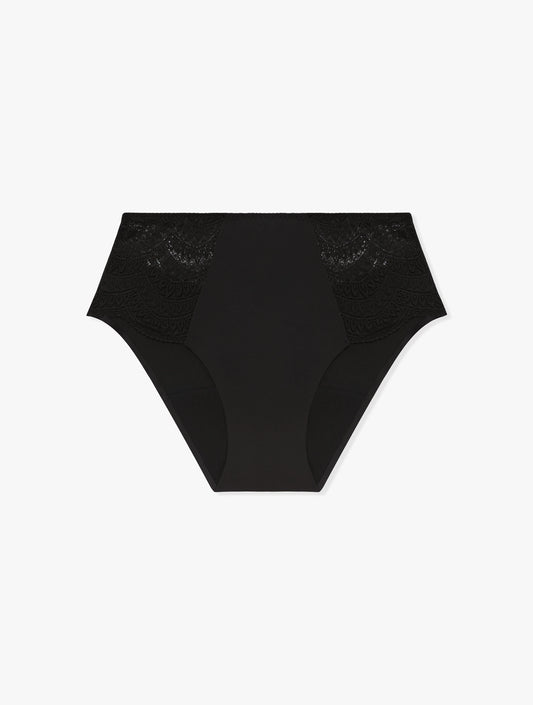
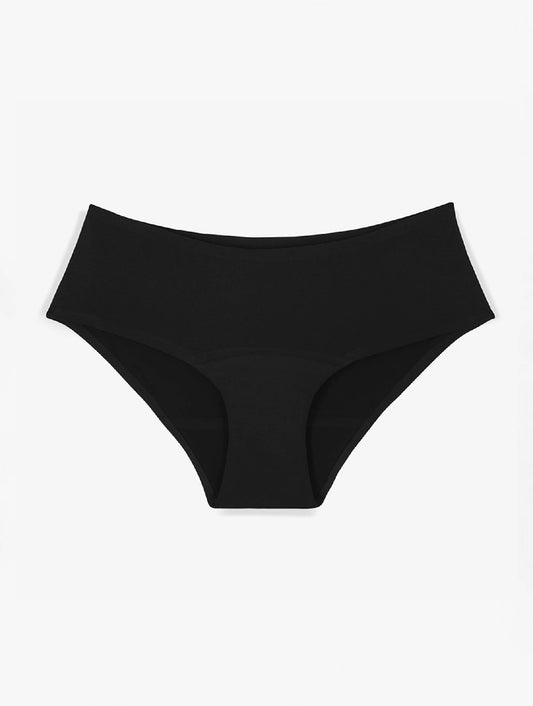
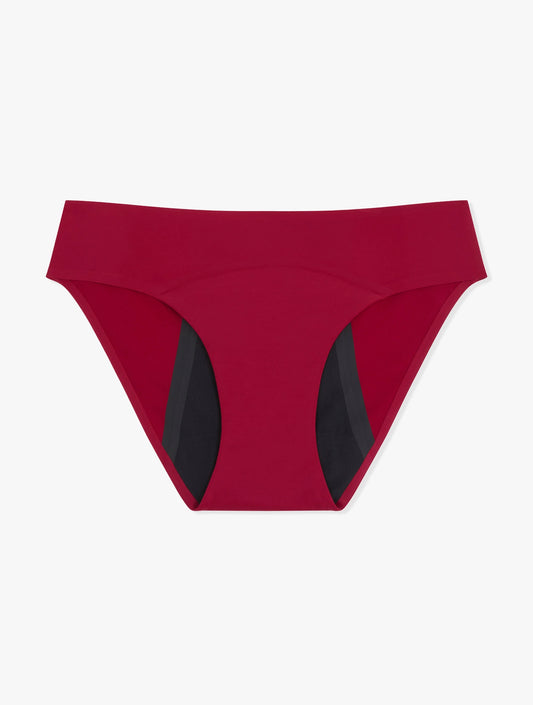
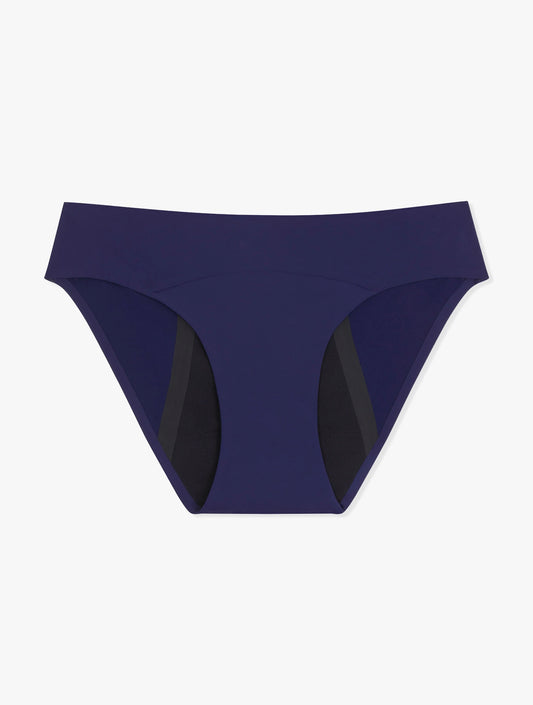
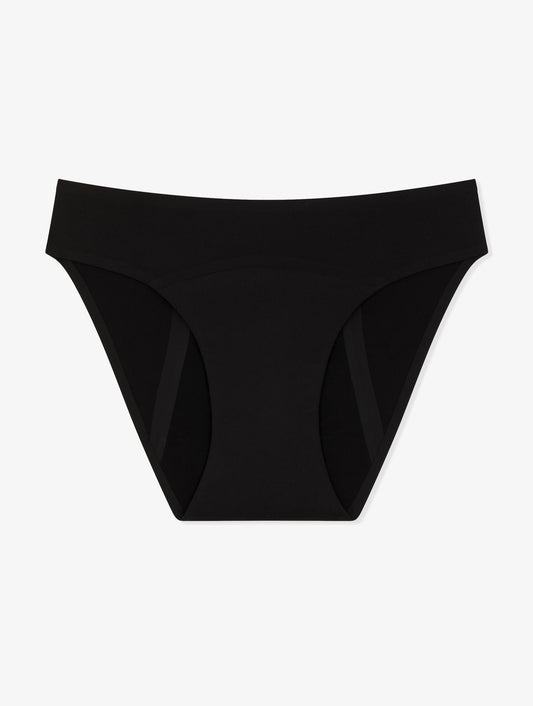
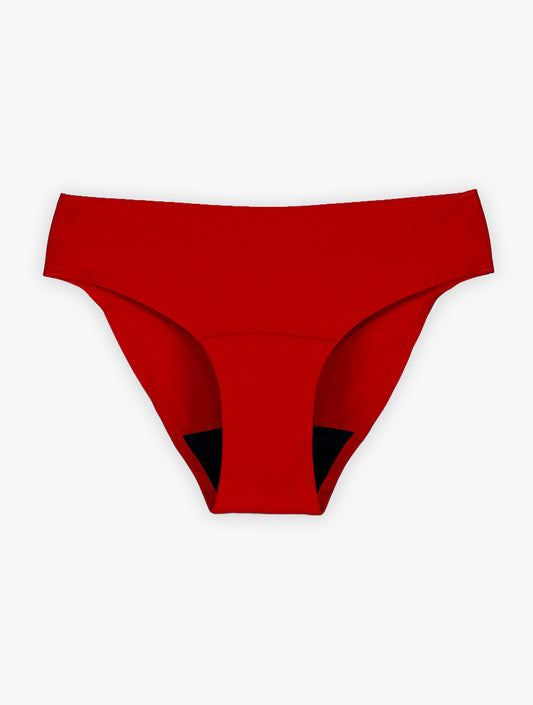
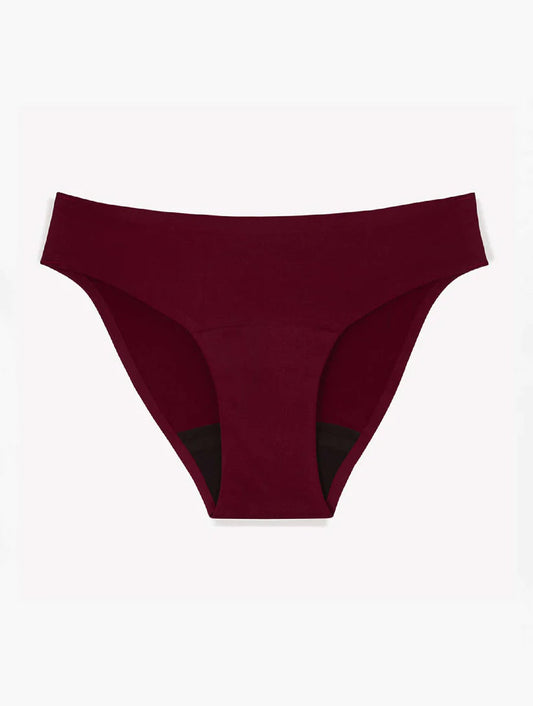
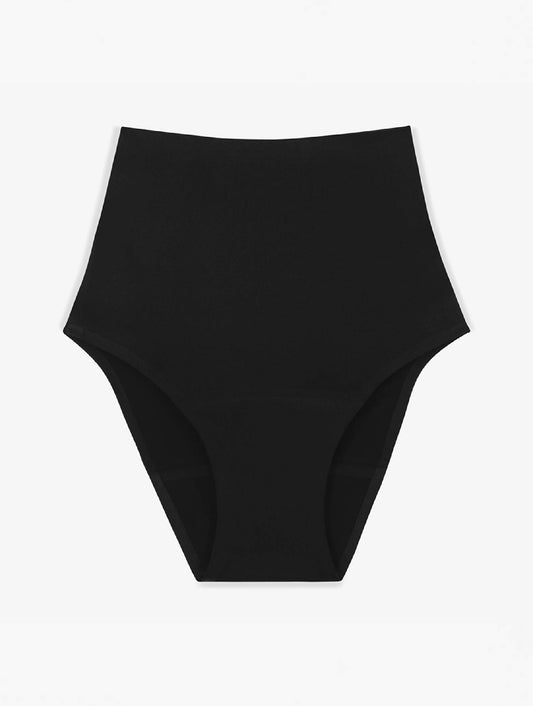
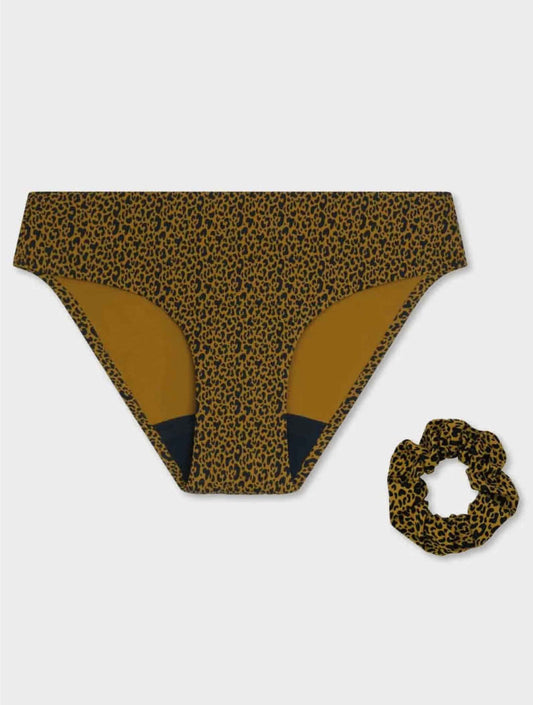
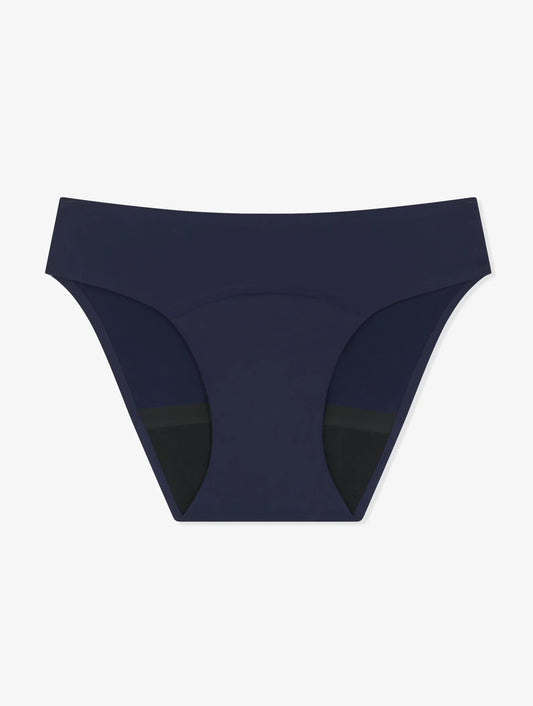
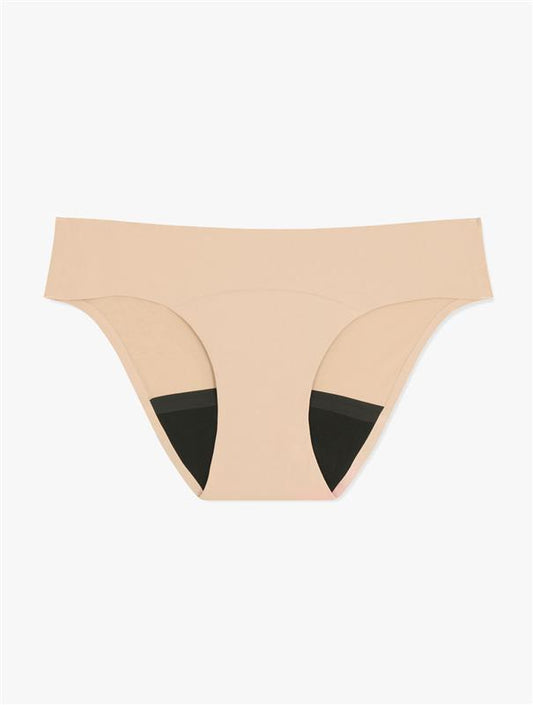
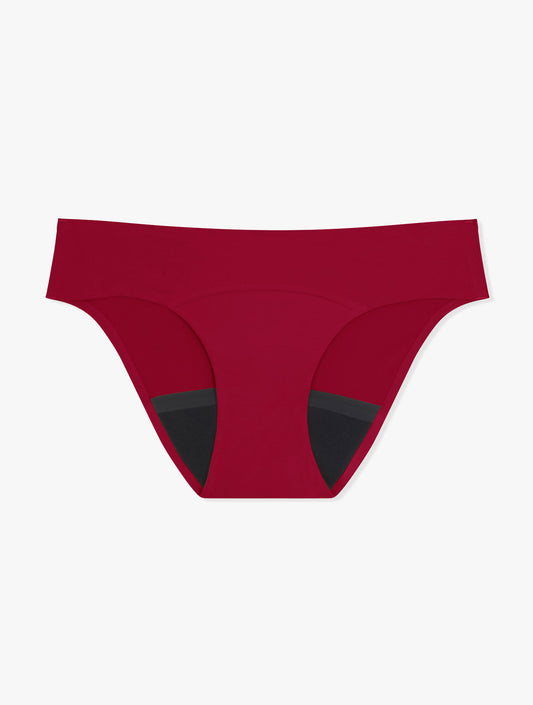
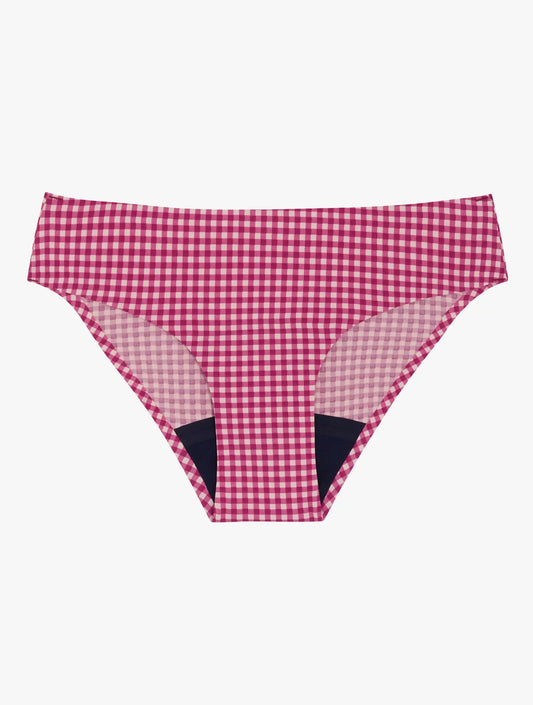
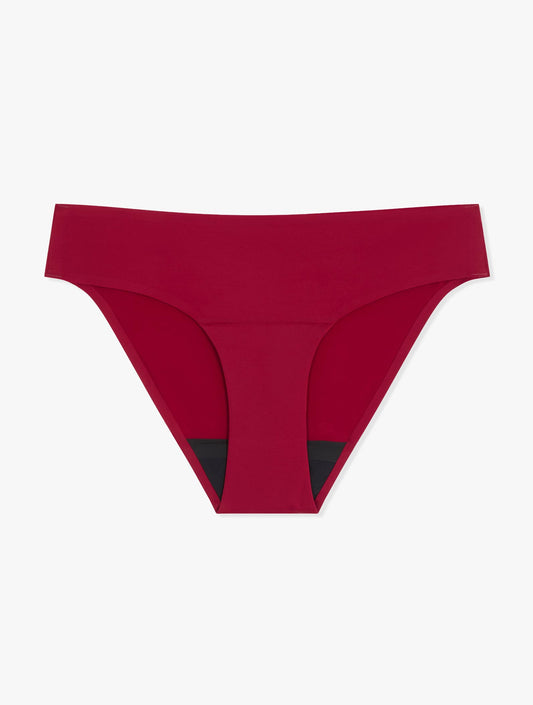
Note that a menstrual panty for very heavy flow does not require adding this type of pad.

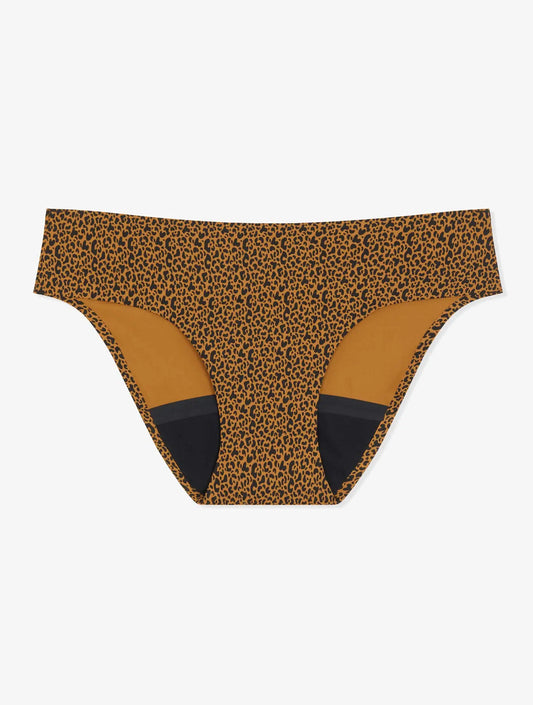
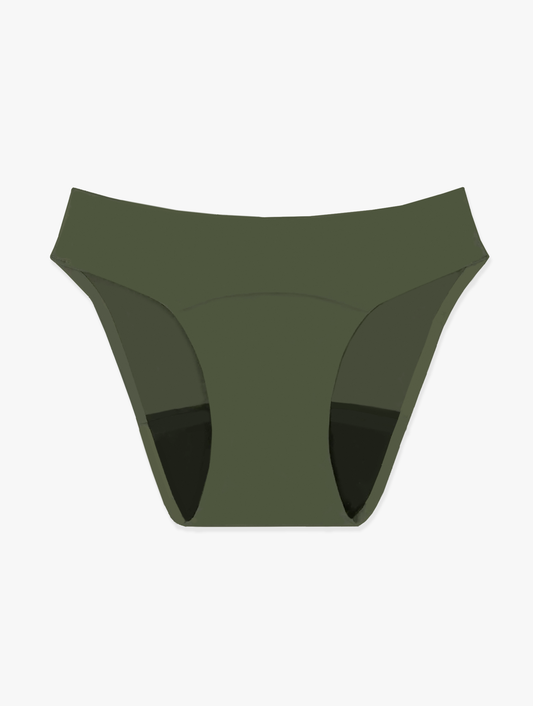
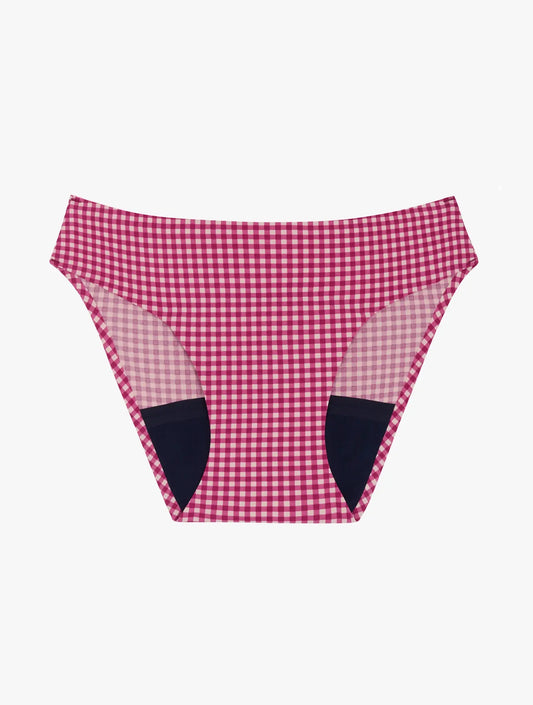
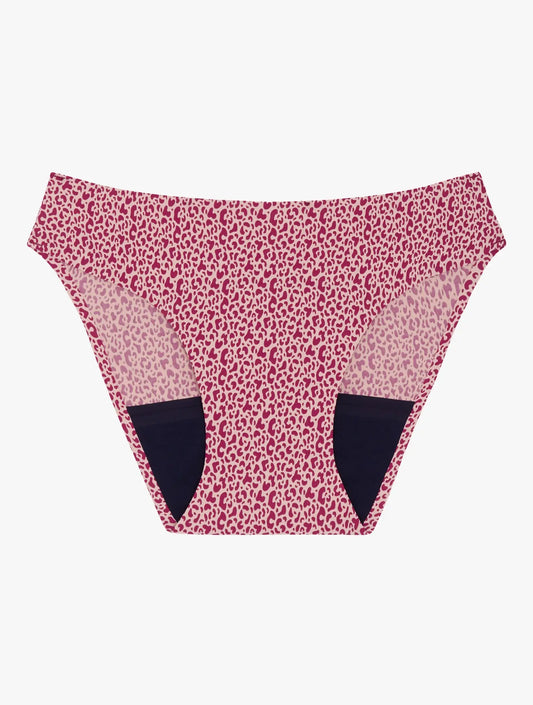




Are washable sanitary pads always made of organic cotton?
Washable sanitary pads are generally made from high-quality materials that respect the environment and health. Depending on the brand, they may be made of organic cotton, organic silk, bamboo fiber, or eucalyptus...
To be precise, three types of materials are alternately used:
- The outer layer in contact with the vulva is preferably made of soft and absorbent fabric (organic cotton, flannel, velvet, minkee velvet...);
- The filling designed to retain blood without odor is made of absorbent materials (organic cotton, flannel, jersey, fleece, zorb...);
- The back in contact with the underwear is made of waterproof or moisture-resistant fabric to limit leakage issues (laminated polyurethane or PUL, nylon, fleece, cotton...).
How to choose your washable sanitary pads?
Choosing a reusable sanitary pad can depend on several criteria. Selection can be based on the materials composing the washable pad, but also on your preferences regarding the patterns decorating its outer layer. The choice is mainly based on the intensity of your flow. For light or moderate flow, it is better to opt for size S (small size or light absorption) or M (medium size or medium absorption) models for comfort. For heavy flow, it is better to choose size L (large size or strong absorption) models. Depending on the brand, you can purchase washable sanitary pads as:
- Sets of 2 to 10 pads of the same size;
- Packs containing different models in various sizes;
- Kits composed of one or more models accompanied by carrying pouches.
How to use your washable sanitary pad?
Using washable sanitary pads is very simple. Place your protection at the bottom of your underwear (plain side against the underwear and patterned side facing up) and secure it with the very practical snap buttons on the wings.
When should you change your washable sanitary pad?
Whatever the intensity of your flow (light, normal, heavy), you should change your protection as soon as its absorption capacity is reached. On average, this is every 4 hours (except at night when protection should last about 6 to 8 hours).
How many washable sanitary pads should you have?
Ideally, you should have enough washable sanitary pads to last 3 days (time to wear, wash, and dry them). To get an idea, note the number of traditional sanitary pads you used during your last three periods. About ten washable sanitary pads in advance seems like a good average.
How do you clean washable sanitary pads?
Like all washable feminine hygiene accessories (reusable tampon, cup, or menstrual panties), washable sanitary pads are easier to clean if you treat blood stains quickly. To make it easier, we recommend soaking your protection in cold water as soon as possible. After a good rinse, you can machine wash it (at 40 or 60 °C). To avoid any risk of irritation and allergies, choose your detergent carefully (hypoallergenic detergent, avoid Marseille soap) and rinse thoroughly at the end of the wash.
If stains or odors persist, feel free to use a little white vinegar before machine washing (definitely avoid Marseille soap or greasy detergents). To maintain their absorbency and waterproof qualities, do not add fabric softener to the wash. For the same reasons, avoid the dryer and prefer air drying.
What are the health benefits of washable sanitary pads?
Although in most cases their materials are free of harmful substances (causing allergies and irritations), washable sanitary pads require some precautions. Start with changing them every 4 to 5 hours on average and washing them carefully (detergent choice and thorough rinsing).
Are washable sanitary pads economical?
To form an opinion, let's do a little calculation. Women have about 13 periods per year and on average 500 from puberty to menopause. These menstruations last five days on average, according to the CNGOF (National College of French Gynecologists and Obstetricians). During this time, they use at least 3 sanitary products daily. Per cycle, this amounts to 15 to 20 sanitary products. Annually, the number reaches 195 to 260. Over a lifetime, this consumption is estimated at 7,500 for the low estimate or 10,000 for the high estimate.
Translated into euros: the cost of sanitary products is 7.50 euros per cycle or 97.5 euros per year for women with "normal" intensity and duration menstruation (5 days and moderate flow).
With these figures in mind, we can now compare the cost of washable sanitary pads (and also that of the cup and menstrual panties).
As mentioned above, you need a stock of 10 washable sanitary pads to be comfortable during your period: about a budget of 150 euros. But the good news is that this expense is amortized over several years because most washable sanitary pads come with a 5-year or 200-wash guarantee. For the cup, expect a budget of 15 to 30 euros for a lifespan of 2 to 10 years. For menstrual panties, plan a budget of about 30 euros for a lifespan of 2 to 5 years.
By Valérie.