Which menstrual protection is right for me?
For a long time, the choice of menstrual protection was limited to pads and tampons. Today, a new generation of organic and eco-friendly protections has emerged: washable or reusable products, internal or external devices, made from planet-friendly materials… Panty liners or washable pads, disposable or reusable organic tampons, medical silicone menstrual cups, OEKO-TEX® STANDARD 100 certified menstrual panties: which menstrual protection is right for me? We answer your questions.



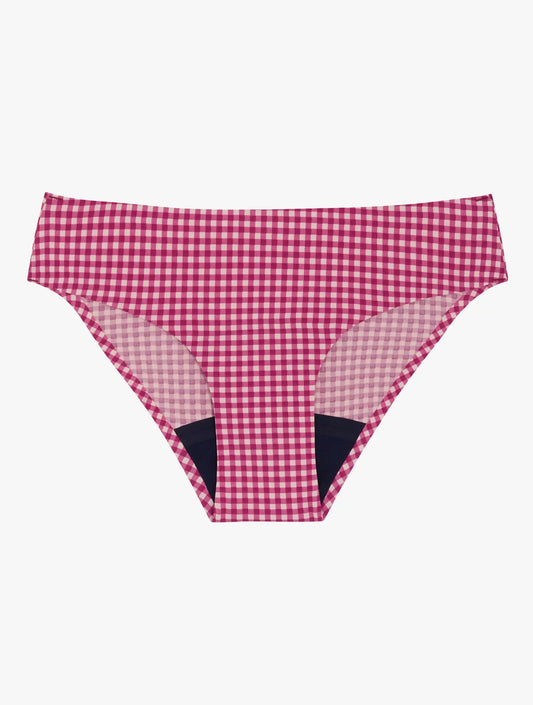
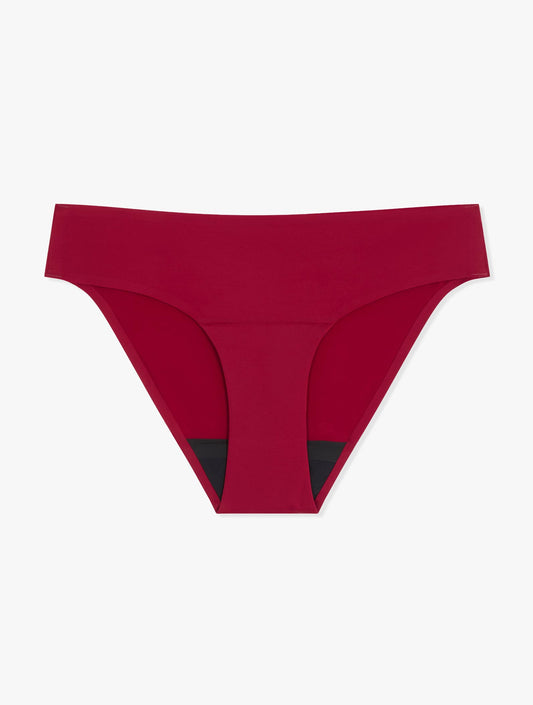


How to choose reusable sanitary pads?
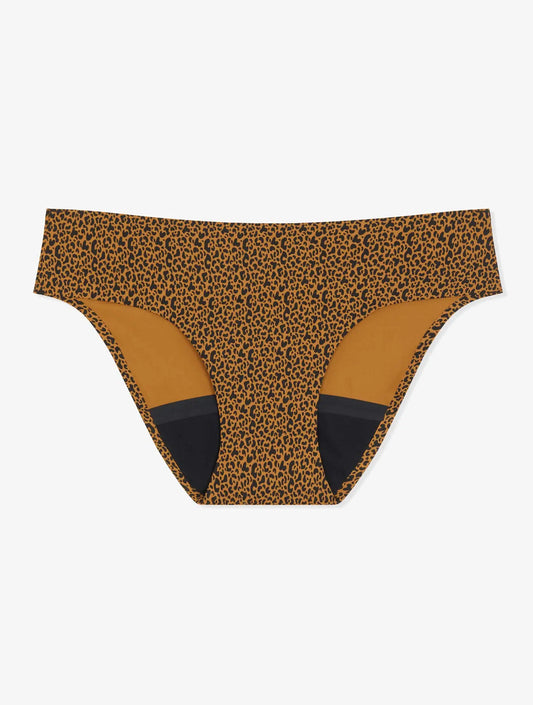
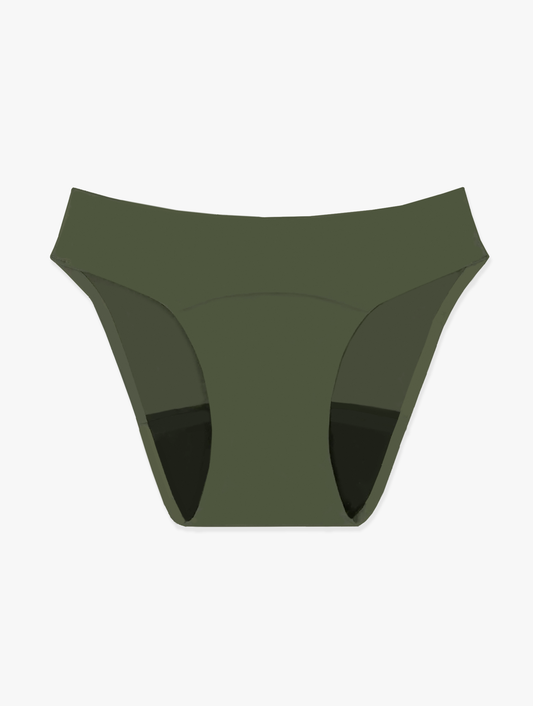
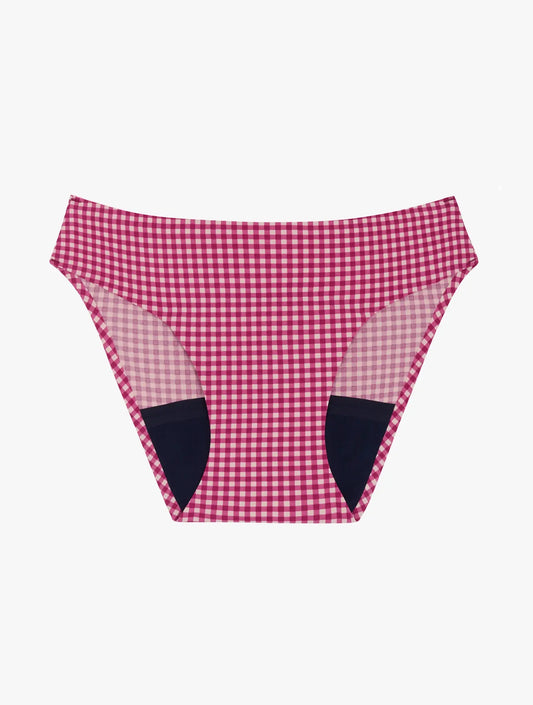
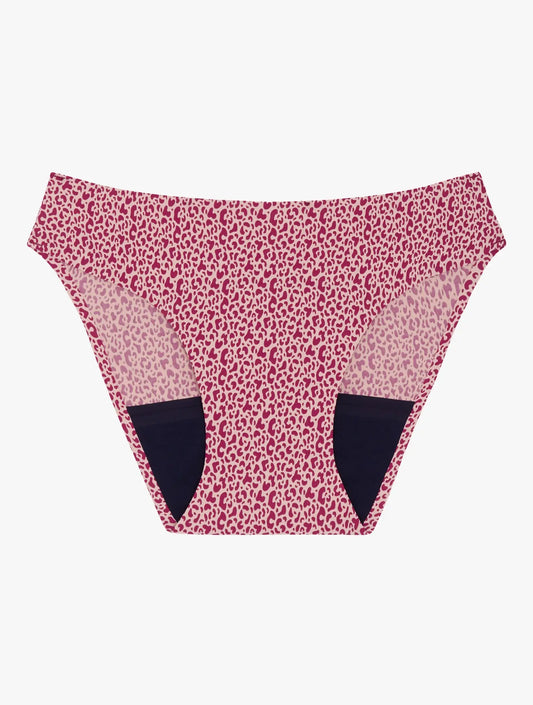
As with disposable pads, the choice of washable sanitary pads mainly depends on the materials used in their manufacture and the intensity of your flow. For light or moderate bleeding, washable protections in size S or M are perfectly suitable. For heavy flows, washable pads in size L are recommended. For other days (outside of your period), using organic cotton panty liners is also possible. They protect your underwear from discharge and spotting (minor harmless bleeding), as well as from light urinary leaks.
Depending on your preferences for patterns, you can choose washable pads with floral, graphic, geometric prints, or plain designs. For comfortable management throughout your cycle, it’s best to have a large quantity of washable protections in different sizes. Some brands offer their products in sets (from 2 to 10 pieces) of the same size or mixed sizes to match the flow intensity.
How to use reusable organic tampons?
Using reusable organic tampons is the same as using disposable tampons. However, most models do not have an applicator, so it’s better to be comfortable with your body and with blood. Indeed, to insert and remove your organic cotton tampon, you will need to use your fingers. For those who are squeamish about blood, reusable organic tampons are not the right solution—unless you invest in a washable tampon kit with a reusable applicator. Like washable pads, reusable organic tampons come in different sizes to suit the flow intensity: light or mini flow, medium flow, and heavy or maxi flow. Whatever your choice, know that to avoid any risk of bacterial vaginosis or worse, toxic shock syndrome (TSS), internal menstrual protections should be changed every four hours on average.
Note: Wearing a tampon can cause slight dryness of the vaginal mucous membranes during your period. Using a lubricant gel is therefore recommended to avoid any discomfort during sexual intercourse.
Does the menstrual cup really protect against possible leaks?
The menstrual cup does not absorb bleeding but collects it. Its use requires some practice, but nothing insurmountable. First, you need to sterilize the cup. Once it’s clean, you need to get familiar with how to insert it. The menstrual cup is not placed directly into the vagina; it must first be folded to facilitate insertion. Then, you need to master the removal step. Like tampons, the cup should be changed approximately every four hours. This means emptying the blood and cleaning the cup before reinserting it. At this stage, what users fear is the famous suction effect (which is actually very effective against leaks) that can cause overflow. With a little practice, the motion becomes smooth and routine.
An ideal accessory for sports including swimming (though the menstrual swimsuit or teen menstrual swimsuit is preferred), the cup can sometimes be inconvenient for life on the go. At work, school, or while traveling, it requires access to a water source for emptying and cleaning. It cannot be worn during sleep for the same reasons as other internal protections (wear time should not exceed four hours to prevent TSS risk). After childbirth, its use is not possible. You must wait for the return of menstruation.
Are menstrual panties suitable for heavy flows?
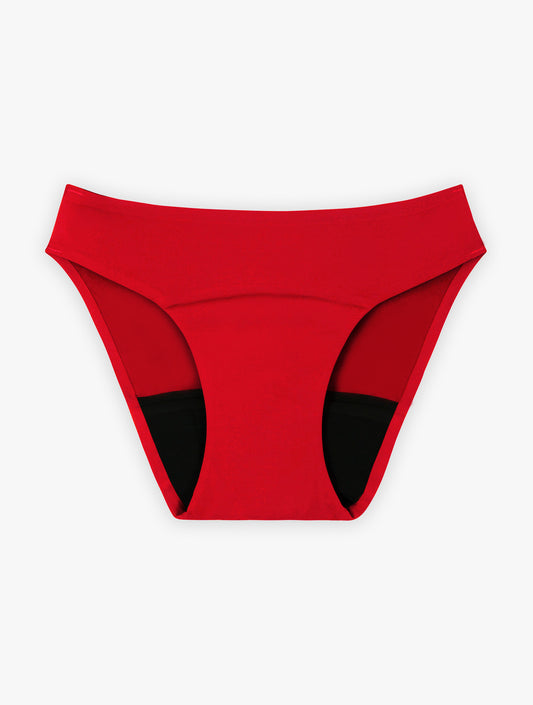
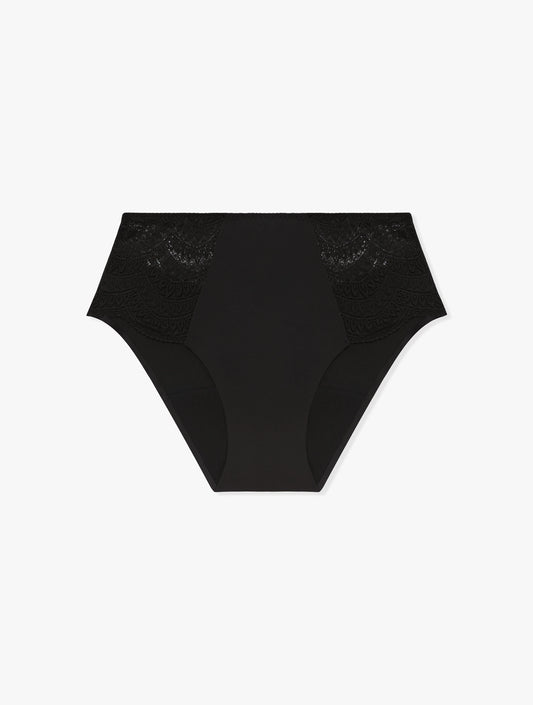
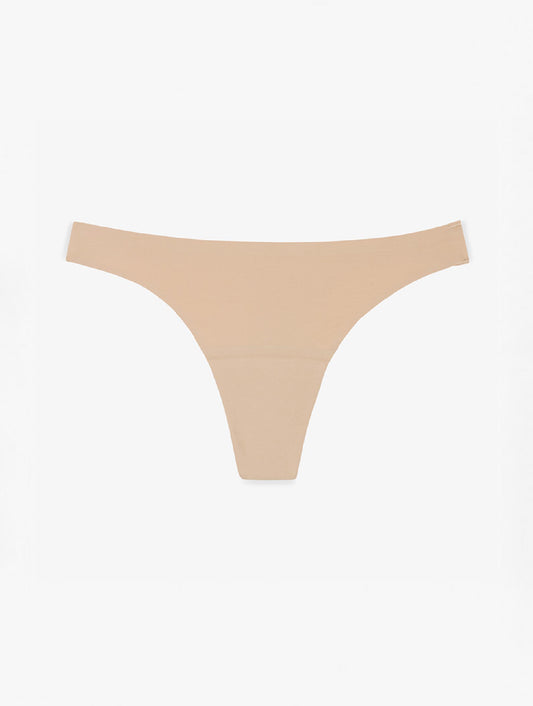
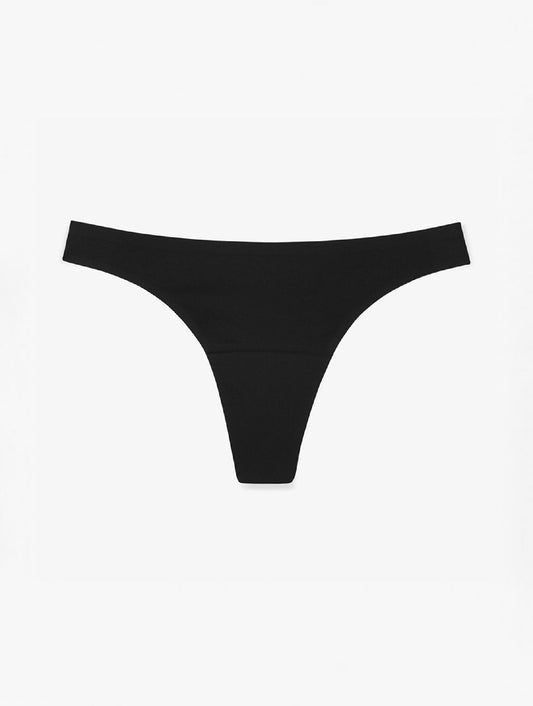
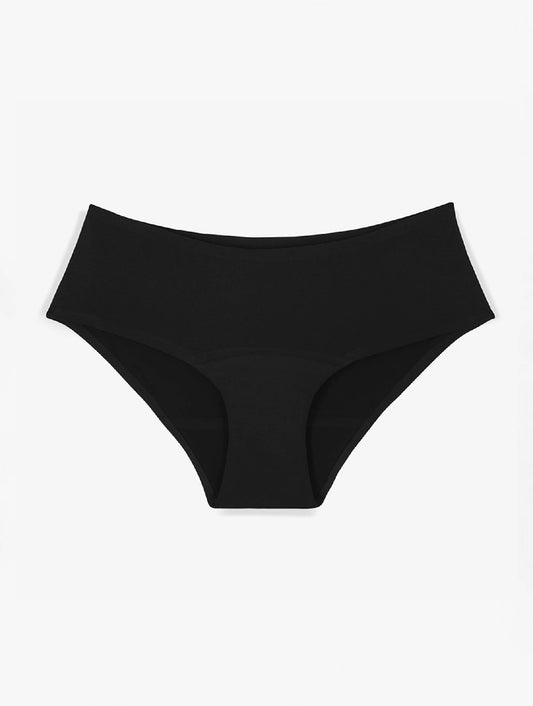
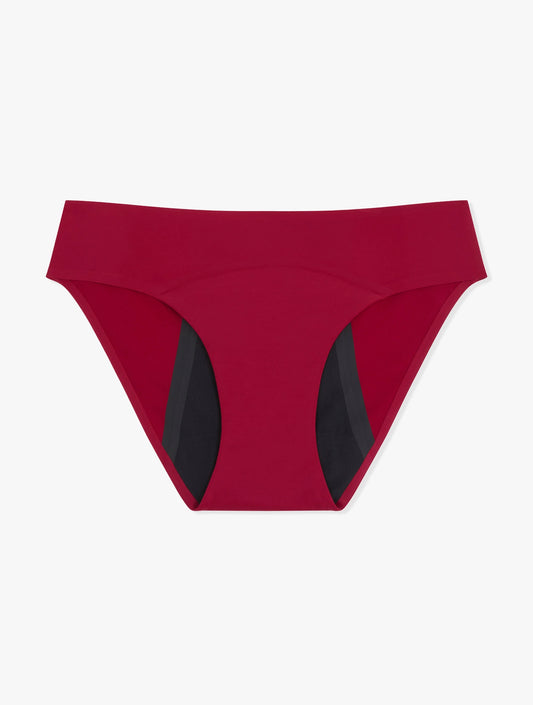
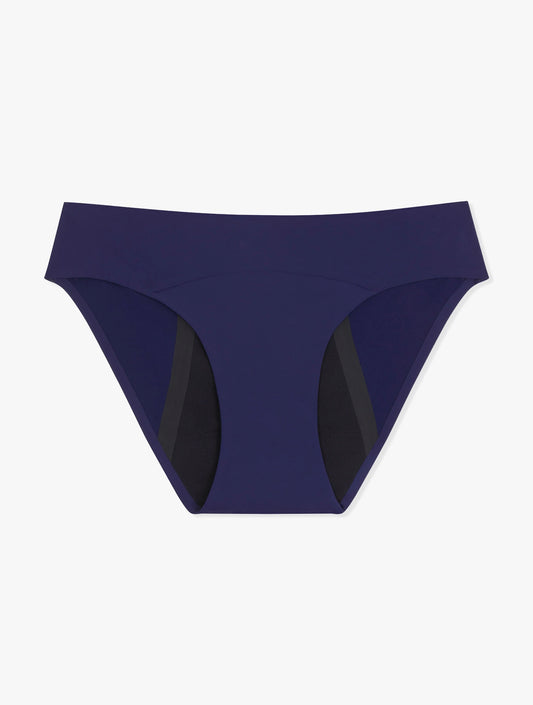
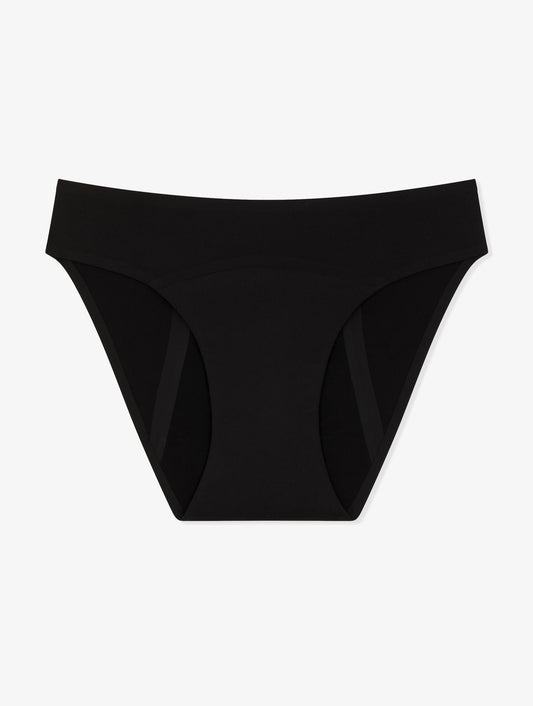
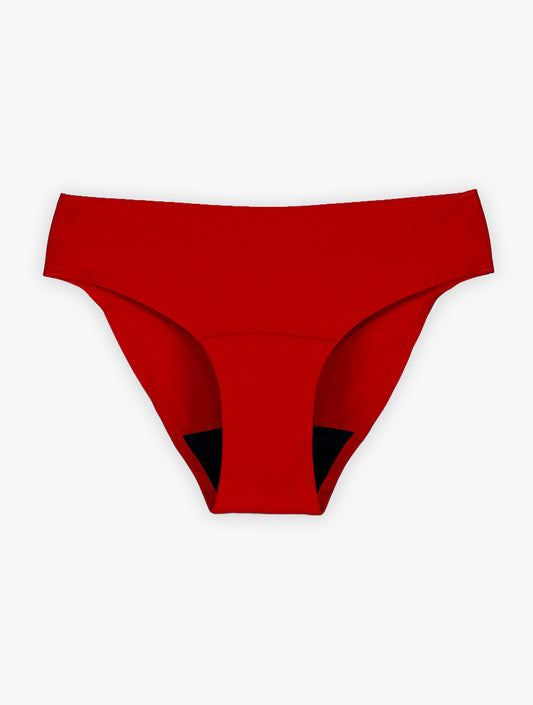
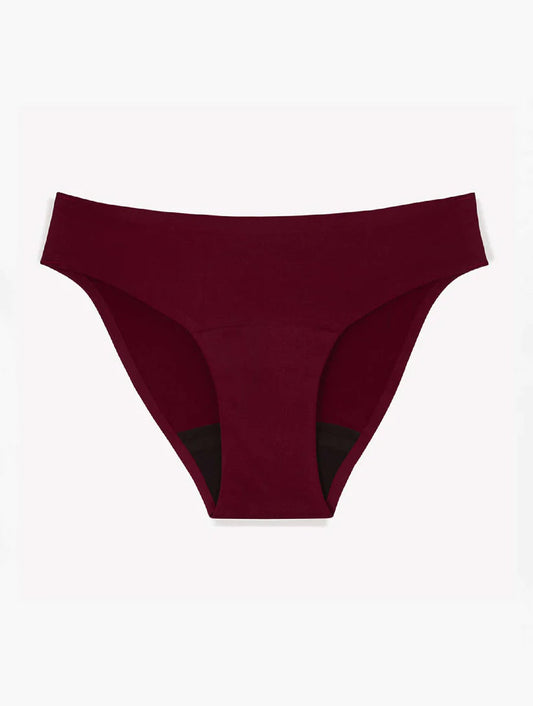
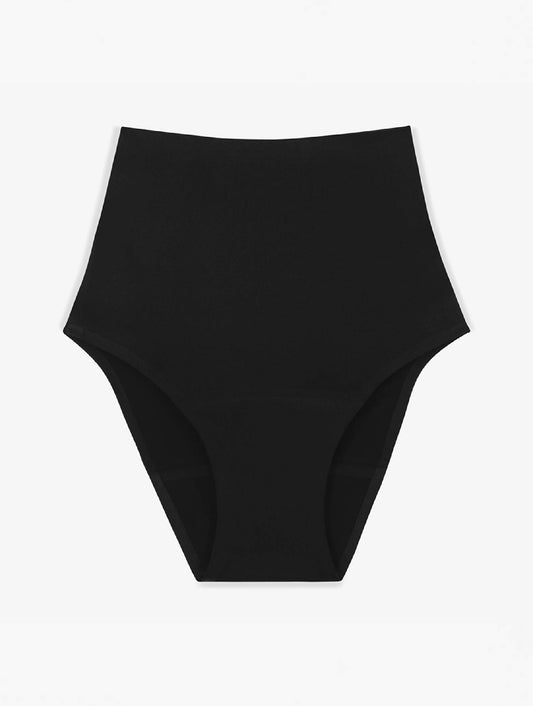
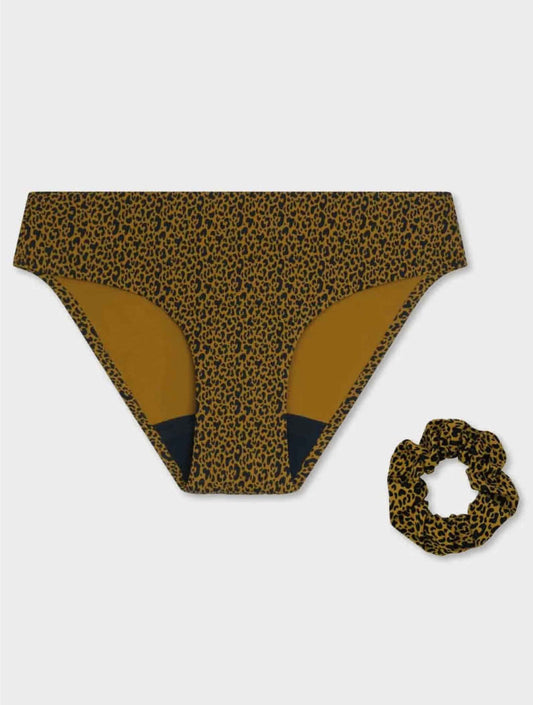
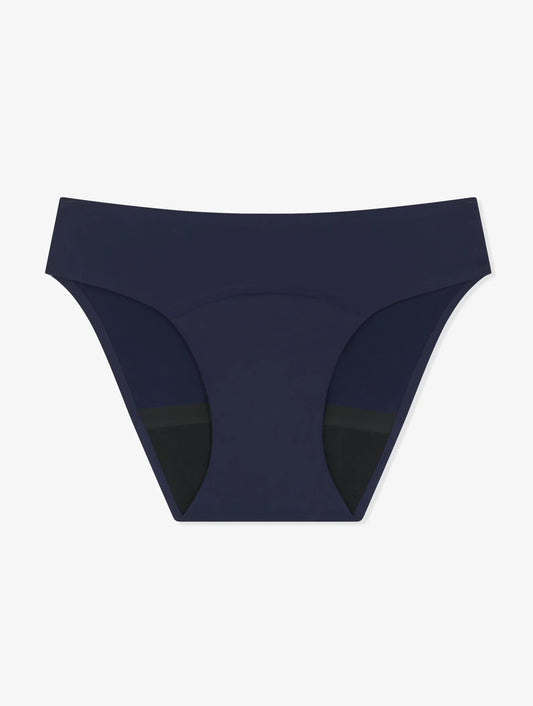
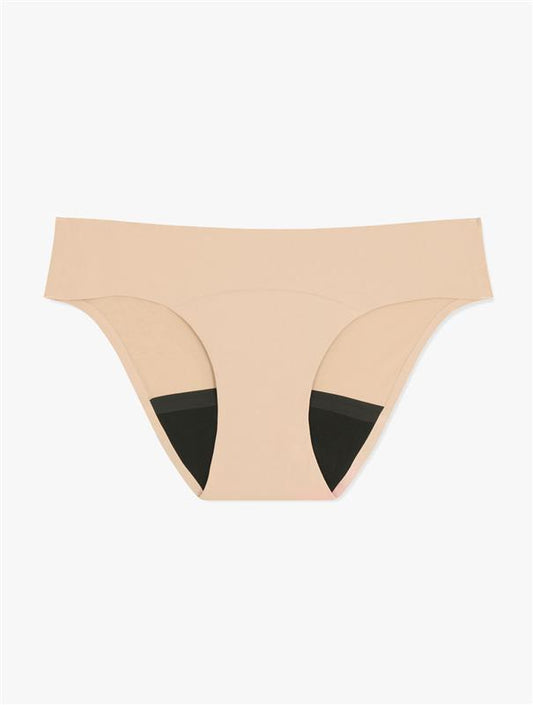
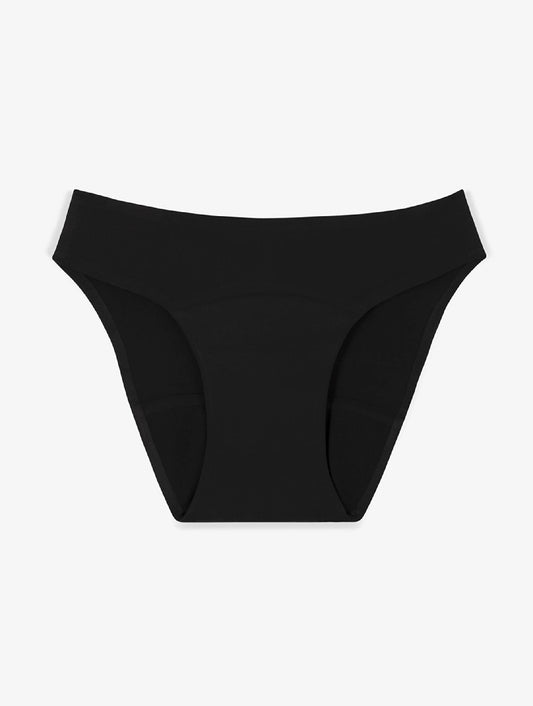
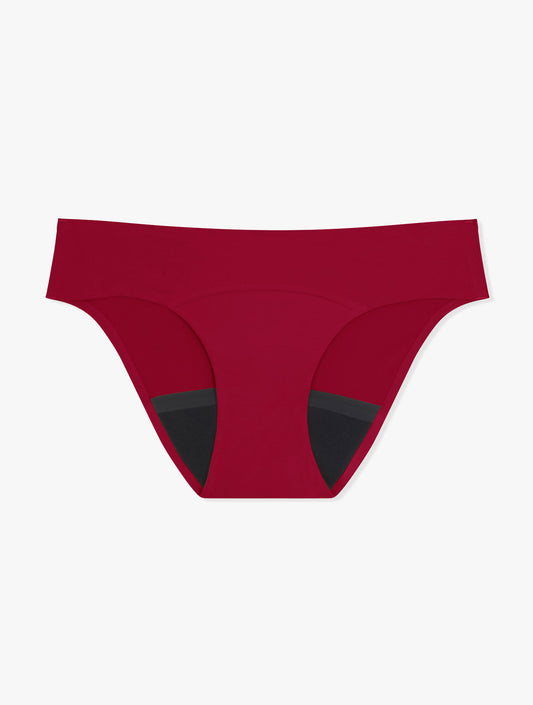
Pretty, discreet, even completely invisible under clothes, menstrual panties hide their true power. In fact, they can absorb large amounts of blood. The most absorbent SMOON menstrual panties for heavy flow can hold the equivalent of four medium-flow tampons or two maxi-flow tampons. Suitable for heavy periods, they provide protection for up to 12 hours straight, day or night. Their OEKO-TEX® STANDARD 100 certified design guarantees zero odor, zero dampness sensation, and zero leaks. Along with their effectiveness, what we appreciate about menstrual panties in general is also their elegance and modernity. In sober colors, they come in trendy shapes. High-waisted panties, classic panties, thong/tanga, and of course menstrual shorts: there’s a wide choice to stay stylish and comfortable during your period.
Menstrual poverty: will organic period protections soon be free for students?
To fight the scourge of menstrual poverty affecting 10% of women in France, President Macron has proposed a strong response. Following the example already implemented in Scotland (free period protections for everyone in public places), the French government has decided to soon equip all university residences and university health services with free menstrual protection dispensers. The Minister of Higher Education specified that these free protections would be selected based on organic and eco-friendly criteria (pads, tampons, cups, or menstrual panties that respect the planet and health). The goal? 1,500 dispensers and full free period protections by the 2021 academic year.
For your information: women spend on average between 2,000 and 4,000 euros in their lifetime on disposable period protections. By choosing zero-waste protections like reusable pads, washable tampons, or menstrual panties, the cost of periods is generally cut in half. For menstrual panties alone, the estimated annual expense is about 30 euros on average. This cost could be reduced further as some health insurance providers (like SMENO and LMDE) now offer partial or full reimbursement for menstrual protections.
By Valérie