The endometrium: everything you need to know about the uterine mucosa
The endometrium is the inner mucous membrane of the uterus. Every month before menstruation, it thickens under the effect of hormones and then sheds during menstruation. In other words, menstrual bleeding at the end of the menstrual cycle comes from the breakdown of the endometrium. When the endometrium thickens outside the menstruation period, it is customary to prescribe tests to rule out any risk of cell proliferation sometimes indicating the presence of cancer.
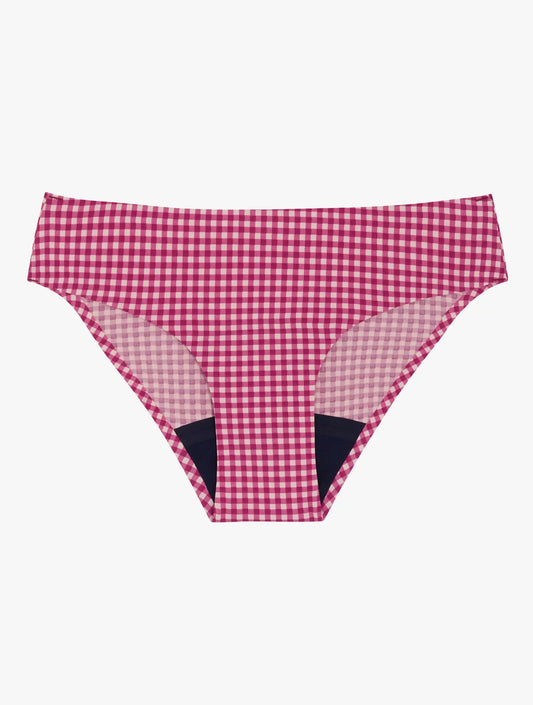
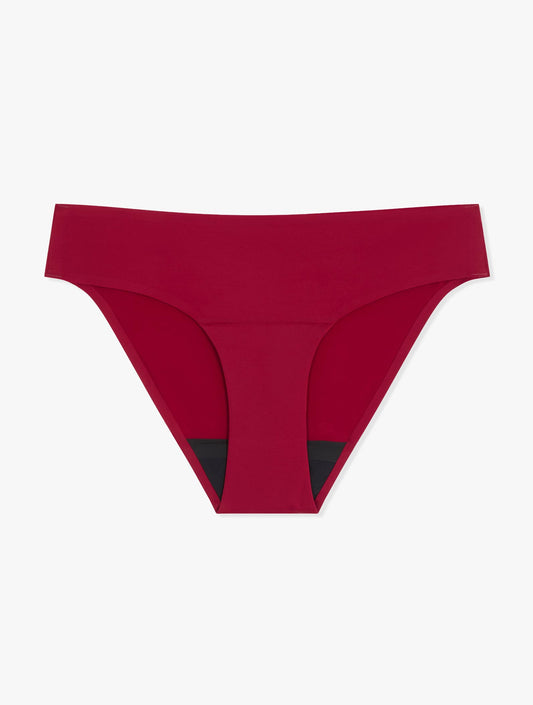
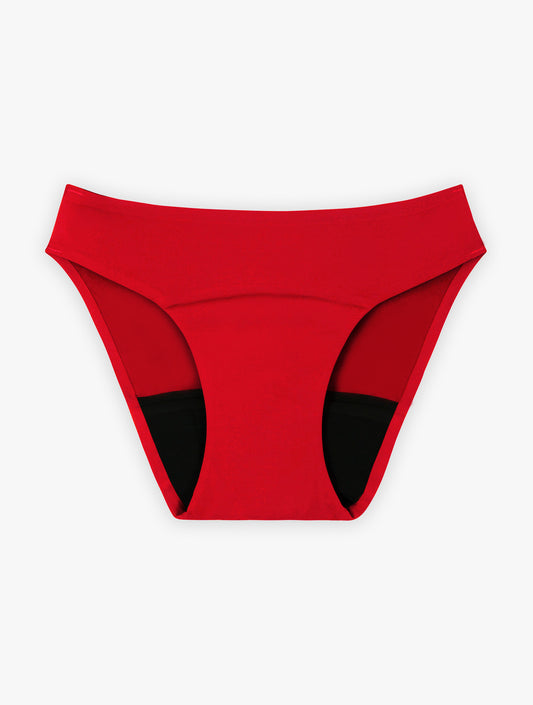
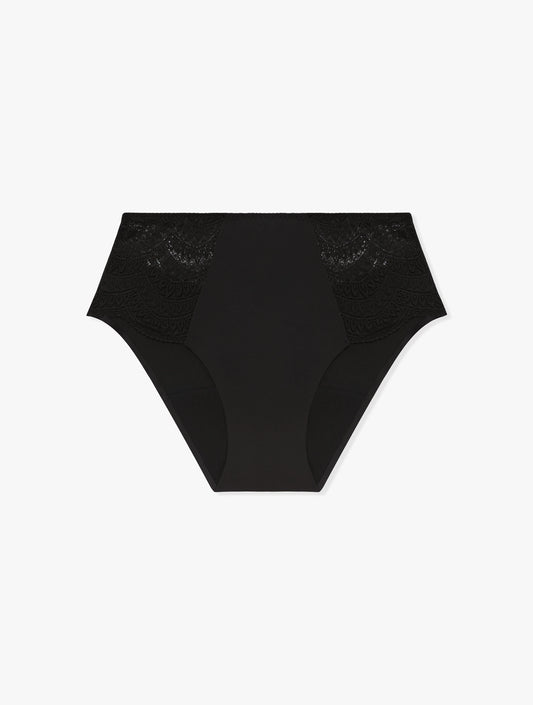
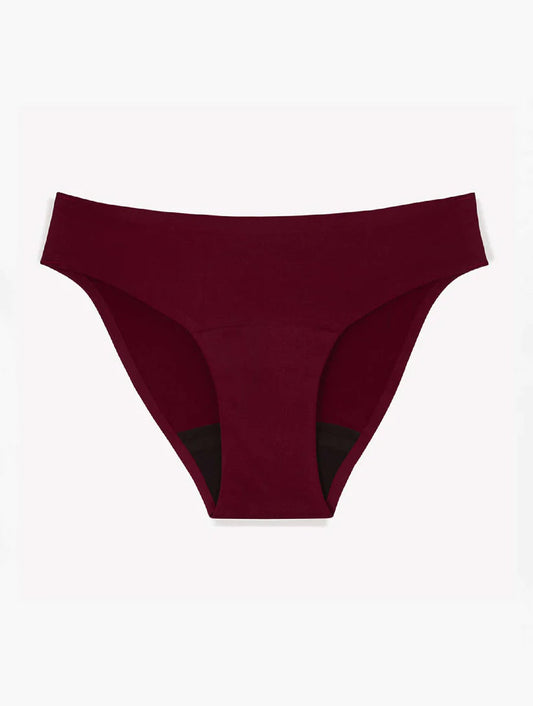
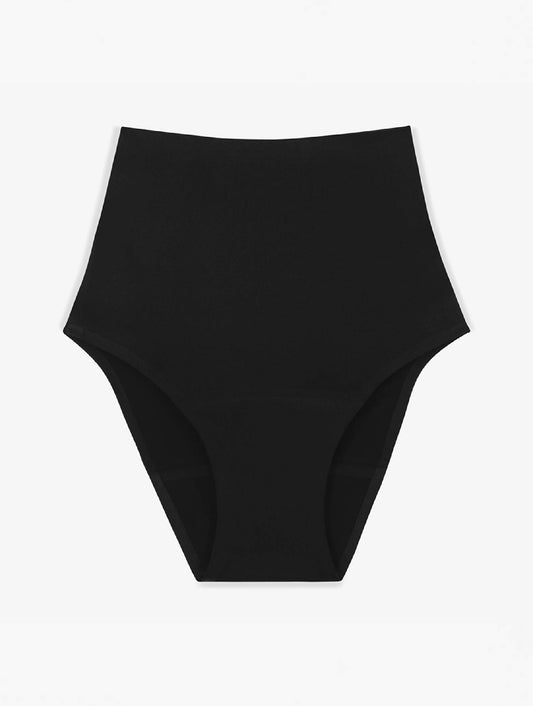
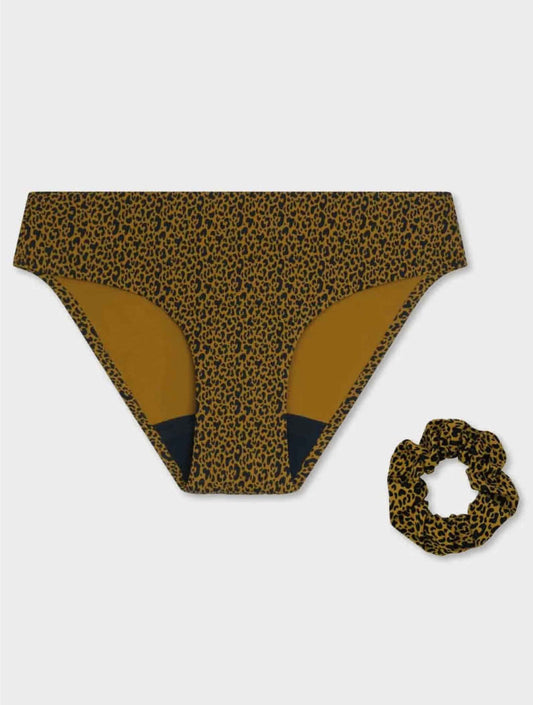
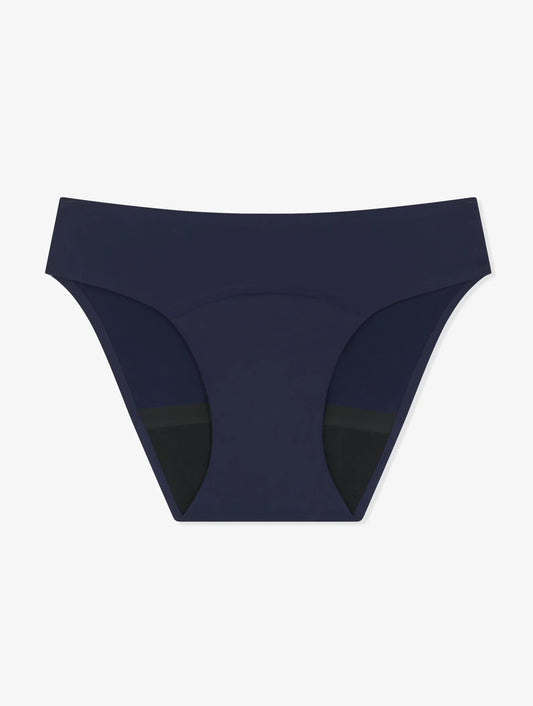
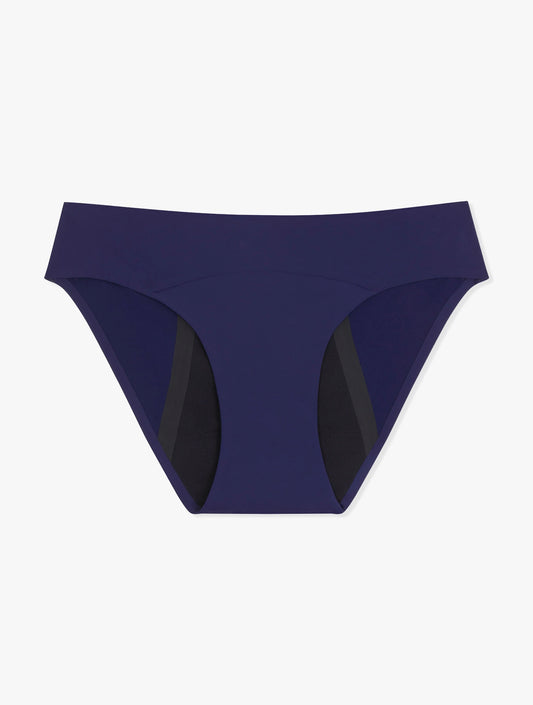
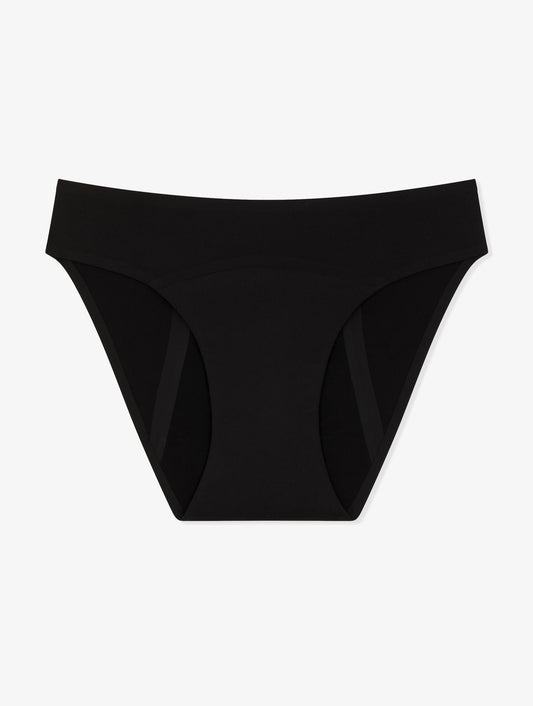
Note: in case of bleeding at the end of your period, you can use a menstrual panty or a menstrual swimsuit.
What is the role of the endometrium?
The endometrium corresponds to the inner wall of the uterus. Its role is to receive a fertilized egg and protect the embryo during its growth. In the absence of fertilization and therefore pregnancy, the endometrium breaks down, causing menstrual bleeding. Then, under the effect of hormones secreted by the ovaries (estrogens), the endometrium rebuilds during the 28 days of the menstrual cycle.

The endometrium can change size: why?
The thickness of the endometrium can vary throughout a woman's life, from puberty to menopause.
During menstruation, the endometrium is thin. Its thickness varies from 2 to 4 millimeters.
From day 6 to day 14 of the cycle (proliferative phase) the endometrium becomes thicker. It can measure between 5 and 7 millimeters.
At the time of ovulation (day 14 of the cycle) it reaches its maximum size. It ranges between 11 and 16 millimeters.
In postmenopausal women, the endometrium measures about 5 millimeters or less.
Possible causes of an endometrium that is too thick or too thin
Possible causes of an endometrium that is too thick are as follows:
- obesity;
- endometrial cancer;
- hormone replacement therapy (HRT);
- taking tamoxifen (a drug against breast cancer in premenopausal women);
- chronic high blood pressure;
- the presence of polyps;
- diabetes;
- scars.
Possible causes of an endometrium that is too thin (7 mm or less) are as follows:
- the woman's age;
- an inflammation;
- a medical treatment;
- taking a low-dose pill;
- certain diseases of the endometrium (endometriosis, adenomyosis, etc.);
- an endometritis.
To measure the thickness of the endometrium, the doctor uses ultrasound.
Endometrial cancer: symptoms and treatments
Endometrial cancer is the fourth most common cancer in women. It generally affects menopausal women (average age at diagnosis: 69 years). Unlike cervical cancer, there is no vaccine to prevent endometrial cancer. According to INCA (National Cancer Institute), its incidence rate is 10.8 per 100,000. This cancer has a good prognosis (especially at stages IA and IB where the cancer is confined to the uterus) because it is usually diagnosed early.
Symptoms of endometrial cancer include:
- vaginal bleeding in menopausal women;
- bleeding outside the menstrual period in young women;
- foul-smelling discharge;
- lower abdominal pain;
- abnormal weight loss.
Risk factors for endometrial cancer include:
- obesity;
- diabetes;
- hormone-based treatments (estrogens).
Diagnosis of endometrial cancer requires the following examinations:
- a smear test;
- a diagnostic hysteroscopy (exploration of the endometrium and cervix using an endoscope);
- a biopsy (sampling lesions to determine the exact nature of the tumors);
- a CT scan or MRI (to check for possible spread of tumors to other organs).
Treatment for endometrial cancer is based on surgery including a total hysterectomy (removal of the uterus) and sometimes removal of the ovaries and fallopian tubes.
Depending on the case, other treatments may be prescribed:
- brachytherapy;
- radiotherapy;
- chemotherapy;
- hormone therapy.
When to see a doctor?
Certain signs from the endometrium should be discussed with a doctor. These include the following symptoms:
- abnormal pelvic pain;
- bleeding after menopause;
- heavy or prolonged periods;
- irregular menstrual cycles (less than 21 days or more than 38 days);
- spotting between periods.
When suffering from an endometrial condition, you may face various discomforts: pain, spotting, heavy periods... Needless to say, it is important to be well protected. To stay comfortable in all circumstances, at SMOON, we wholeheartedly recommend menstrual panties! Made from OEKO-TEX® STANDARD 100 material, they are guaranteed free from harmful chemicals for your health and the planet. Highly absorbent, they can hold between 15 and 20 ml of blood.
By Valérie.