Postpartum protection: postpartum guide
Postpartum, postpartum bleeding, suitable protections or regular pads... it’s hard to know what to do when you’re an expectant mother about to experience such a major life change as the birth of your baby! Smoon tells you everything in this practical postpartum guide to help you choose the best post-birth protection.

Before talking about protections: what is postpartum?
Postpartum is the period a new mother experiences after the birth of her baby. Whether the delivery was vaginal or by cesarean, it is always a delicate and special time, involving a range of physical and psychological symptoms. Among them:
- hormone drop
- fatigue
- pain caused by the uterus settling back into place
- bleeding
- baby blues
The heavy bleeding that continues for a few days after childbirth, called lochia or postpartum bleeding, can be particularly confusing and requires wearing specialized postpartum protections. It can even be accompanied by urinary leaks due to complete relaxation of the pelvic floor after childbirth.
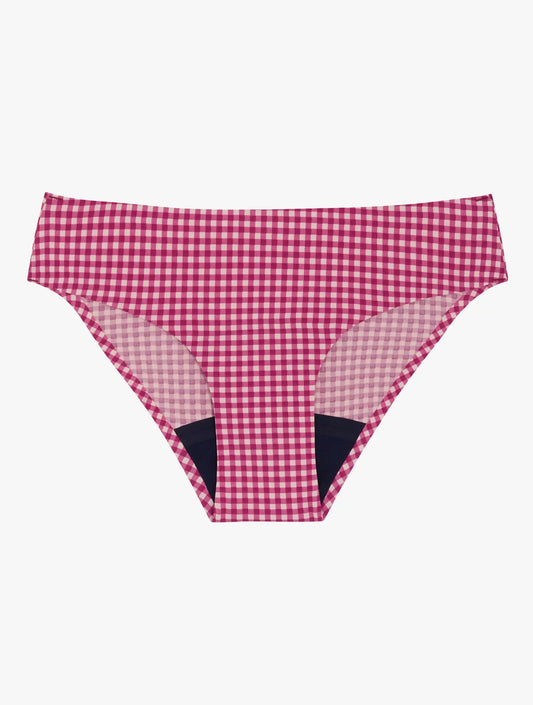
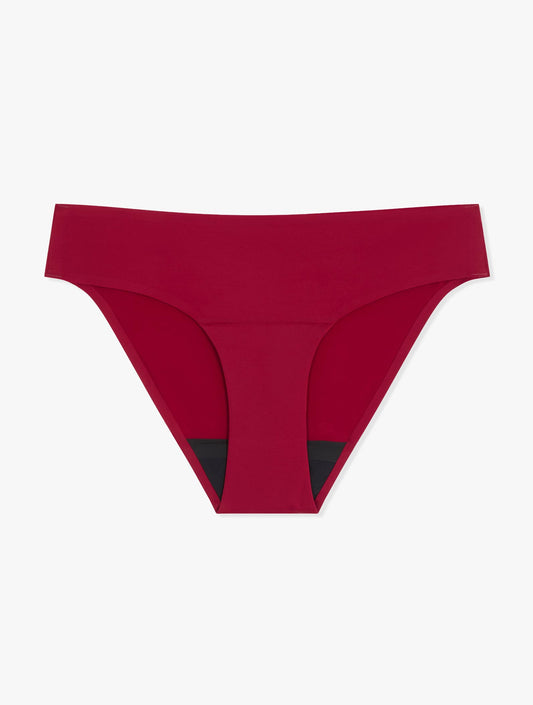
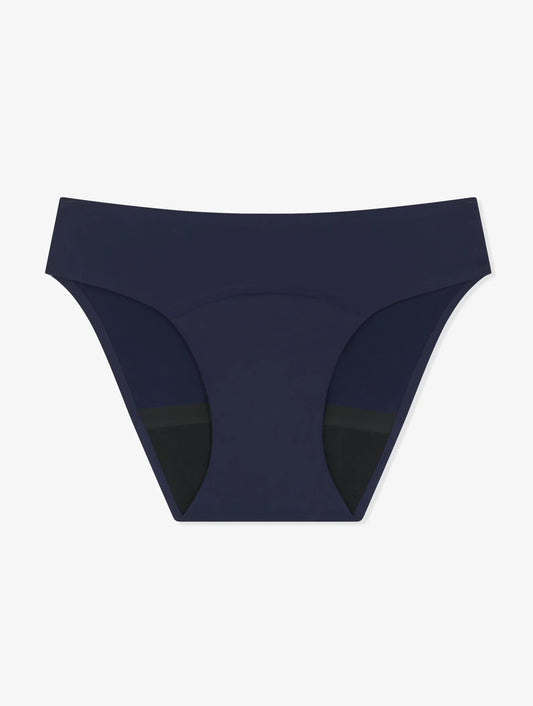
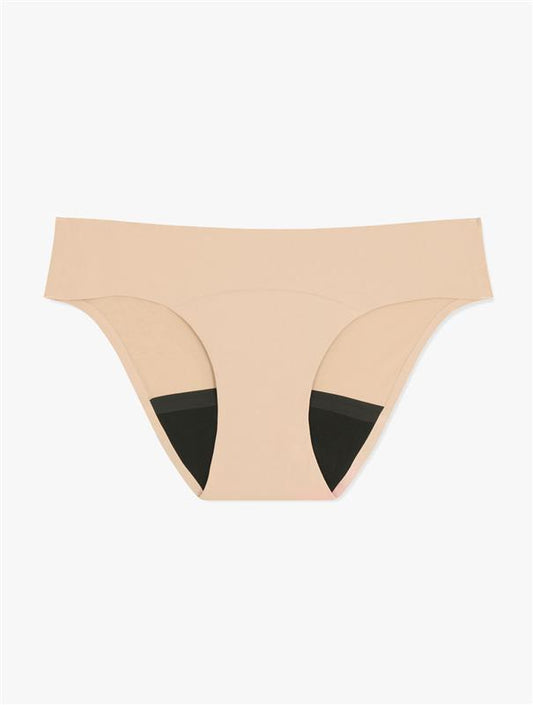
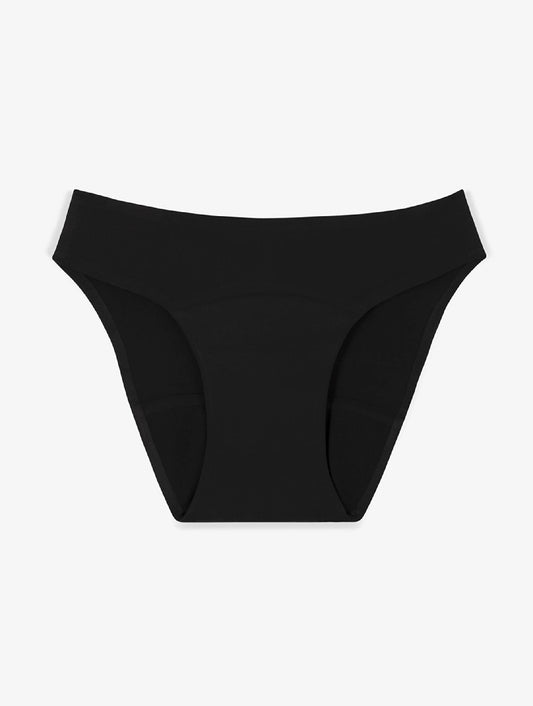
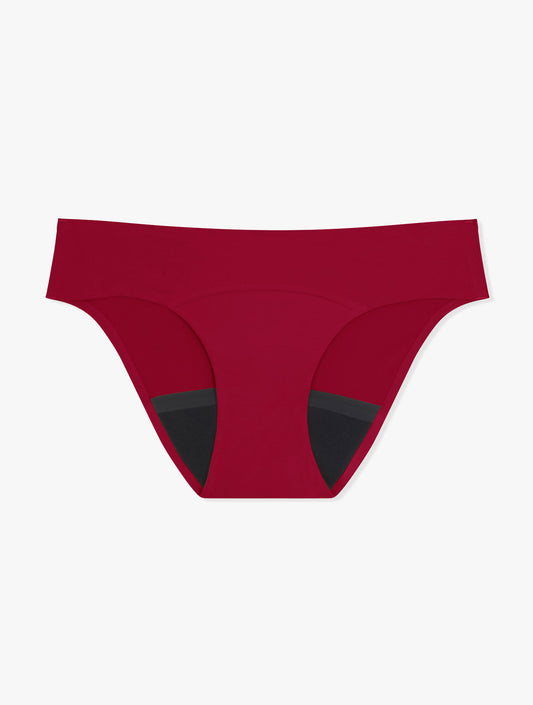
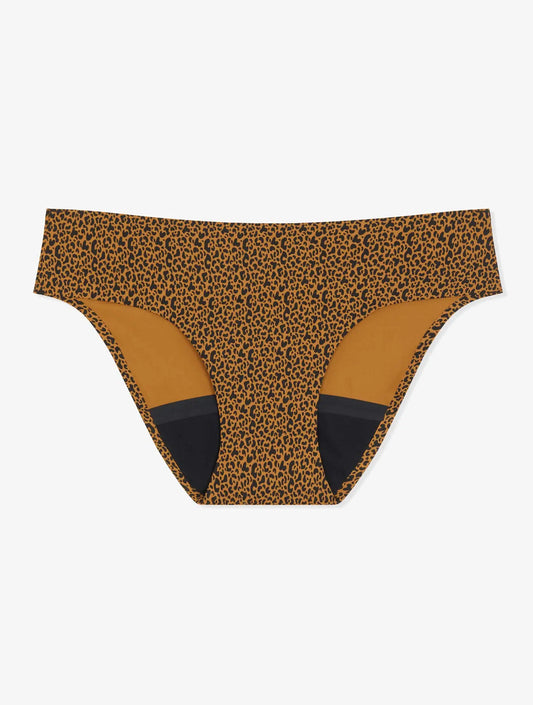
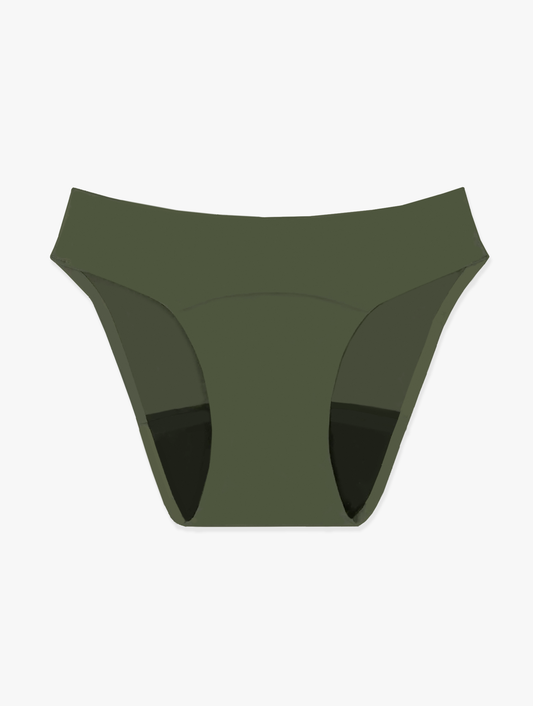
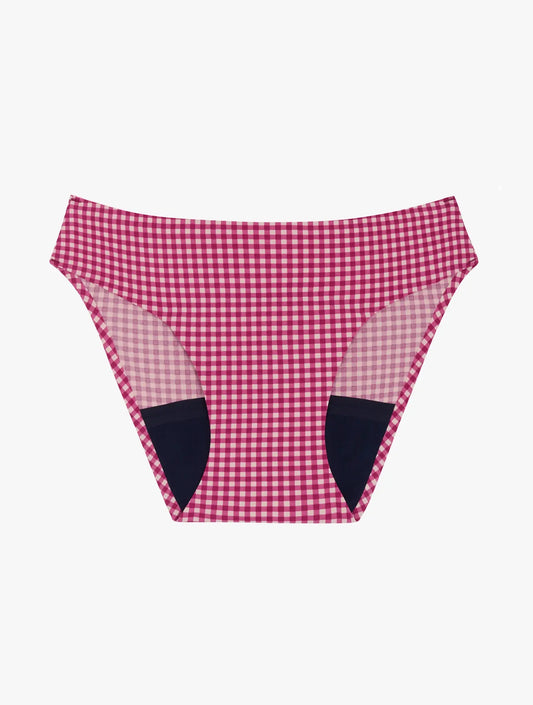
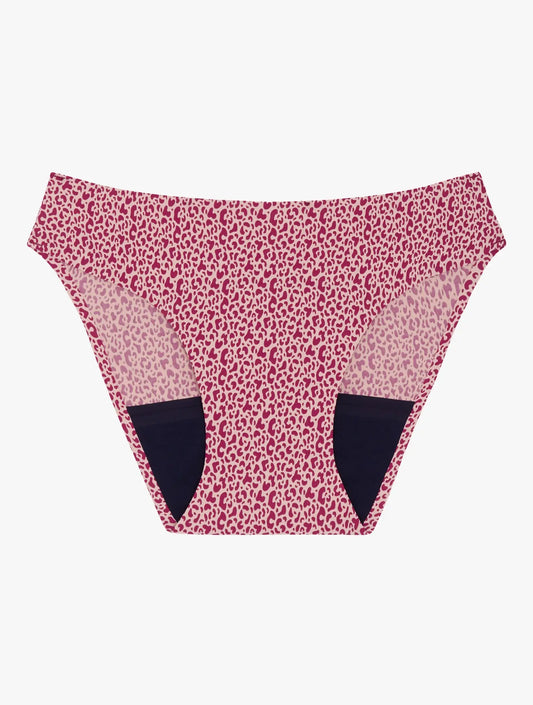
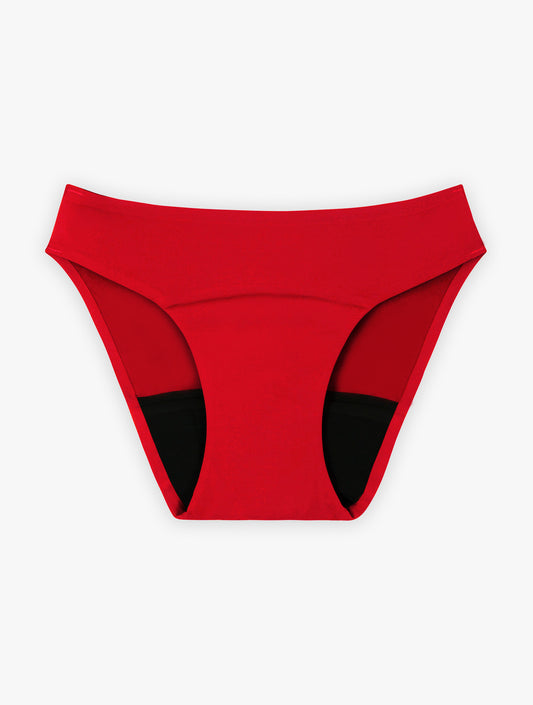
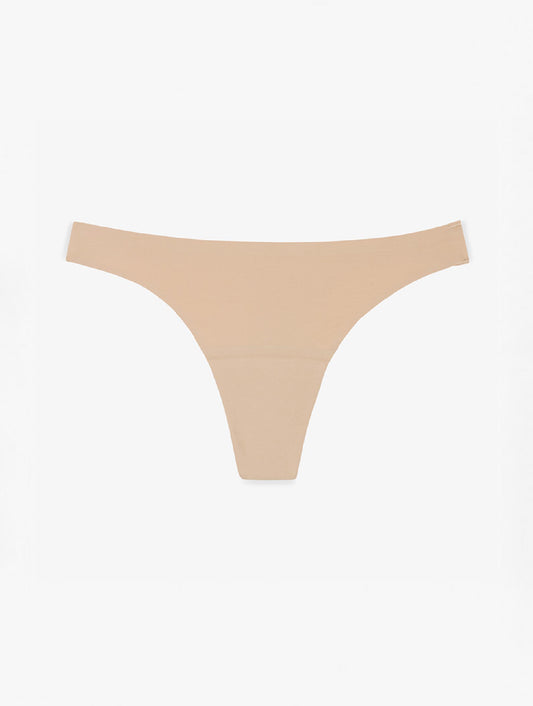
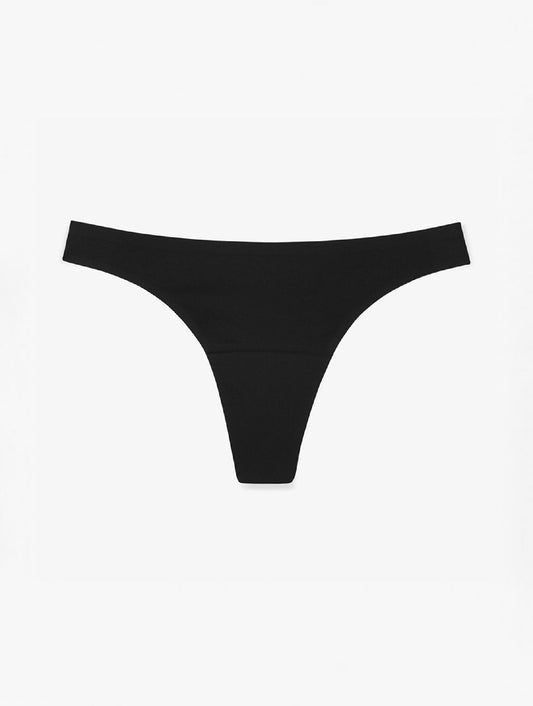
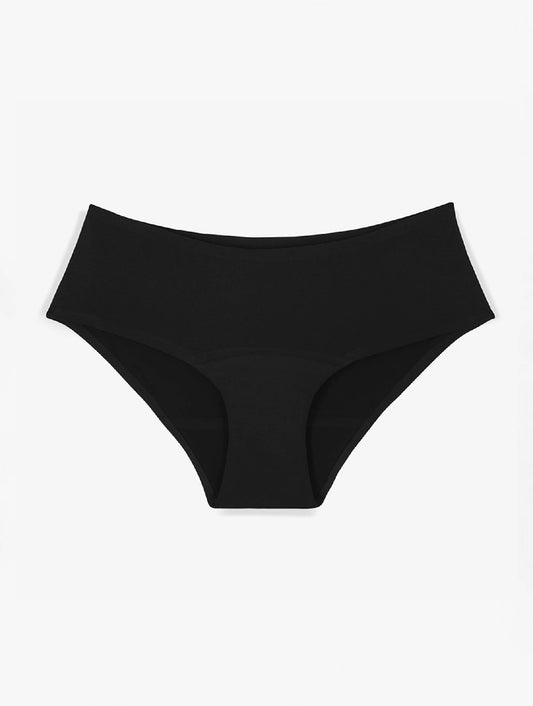
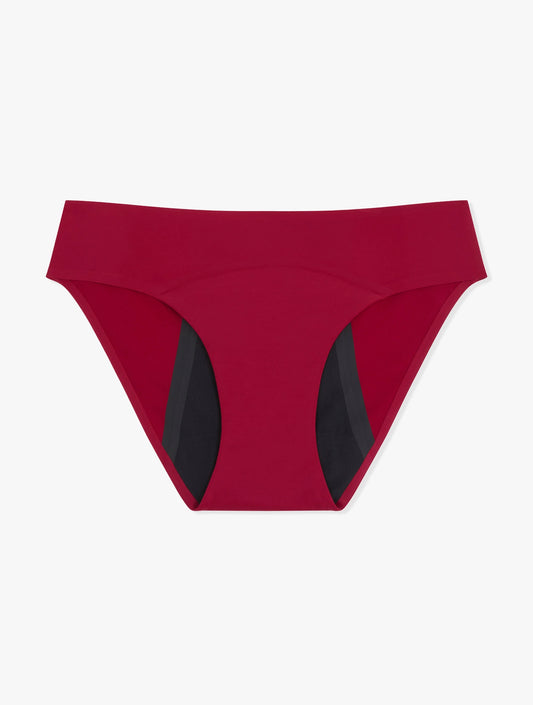
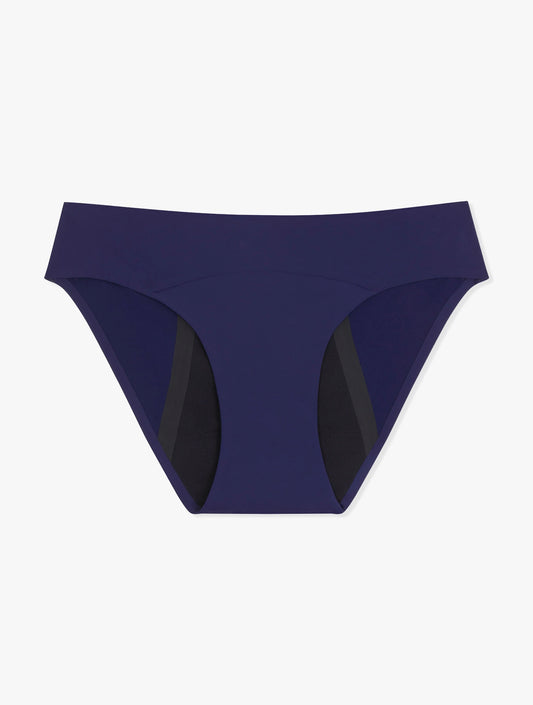
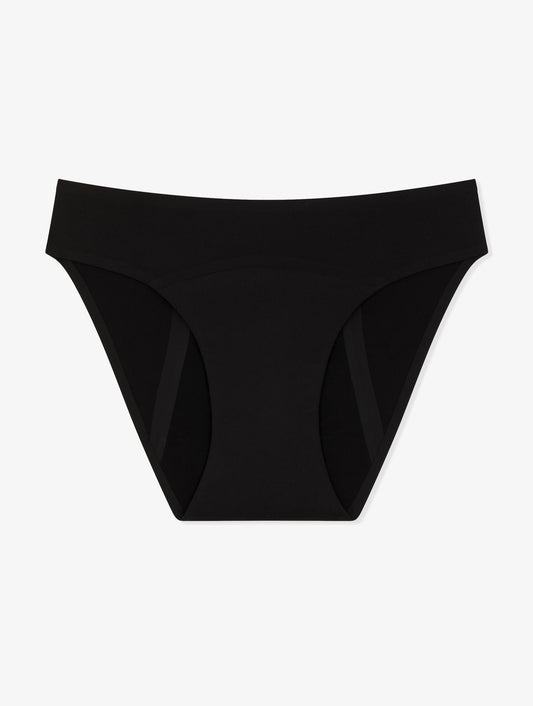
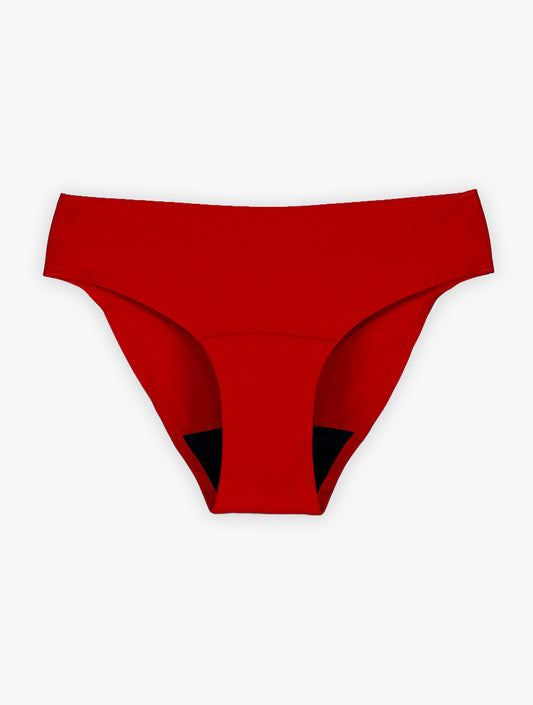
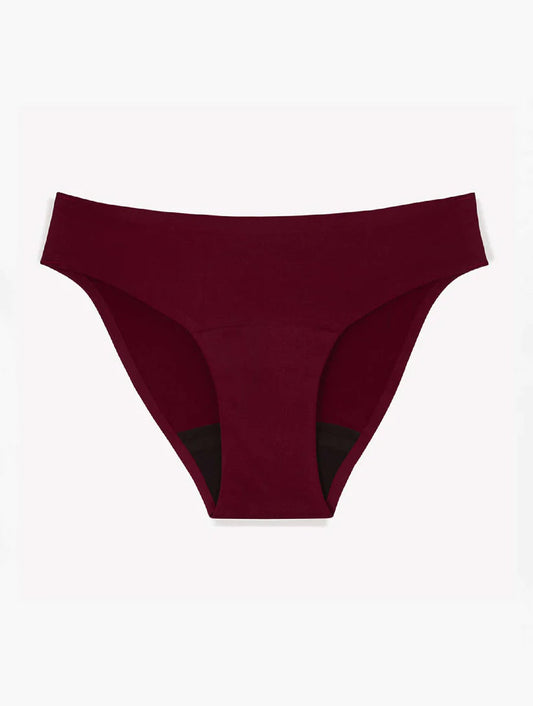
It’s better to wear maternity sanitary protections that are suitable and comfortable to absorb all this heavy flow. The good news is that thanks to Smoon, you can forget the old solution of sanitary pads with postpartum menstrual panties that are top quality, or even menstrual panties for very heavy flow!
What protections should you wear postpartum?
After childbirth, while the uterus and reproductive system are settling back into place, the flow is very heavy and continuous. These are not just regular periods, so you need to choose a hygienic postpartum protection system capable of absorbing this bleeding.
What about internal protection systems?
Internal protection systems - tampons, cups, etc. - should be avoided to prevent any risk of infection; indeed, since the cervix is still open, all bacteria have free access to the uterus and the risks are real. This is also why baths are prohibited during the immediate postpartum period. Midwives can provide you with all the necessary information and recommendations to know!
Classic disposable pads
There are many types of classic disposable pads specially designed for postpartum. They can hold a very heavy flow but must be changed often, sometimes doubled each time. This requires a particularly heavy organization to plan for the new mother’s stay at the maternity ward.
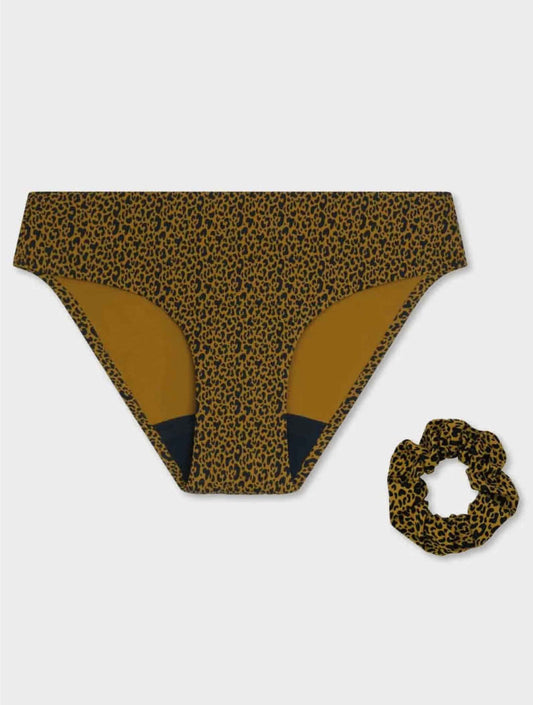
Special postpartum menstrual panty
Disposable hygiene products often itch, shift, or leak... If you are looking for an alternative, postpartum menstrual panties are here for you! Indeed, wearing a washable maternity protection system is a way to experience your postpartum in a:
- eco-friendly
- economical
- comfortable
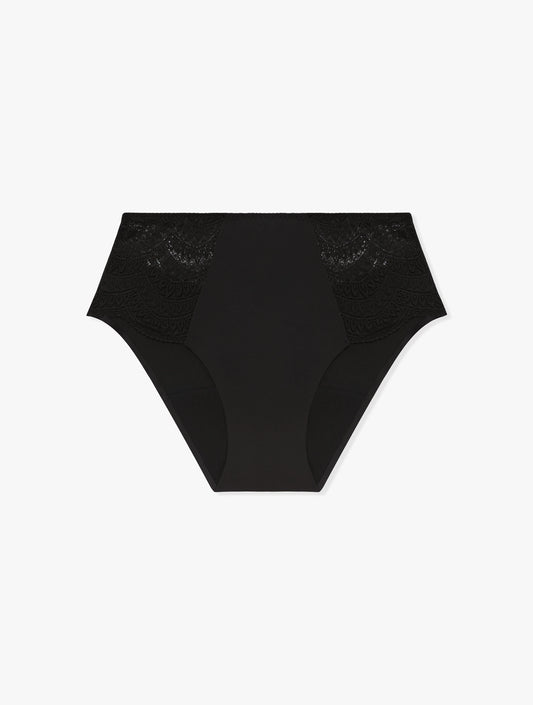
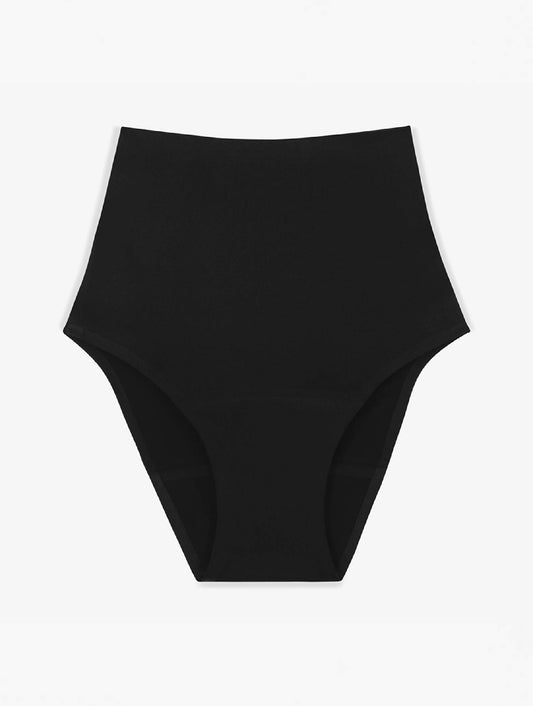
And to complement your postpartum protection, choose cotton underwear for even more softness and comfort. To regain a firm belly, some women prefer to wear a postpartum shaping panty.
Whatever postpartum hygiene protection you choose, remember that the most important thing is to maintain a regular changing routine and impeccable hygiene to avoid any infection.
How long will you need protection after childbirth?
Postpartum lasts from a few days after childbirth to several weeks or even months. It is even said that with all the changes it brings, it can last up to 3 years! It refers to the necessary transition time after pregnancy for the body to recover and for the new mother to take her first steps in motherhood.
Regarding bleeding after childbirth, if it is initially very heavy, it gradually decreases and can last up to 6 weeks postpartum without cause for concern. It is better to plan for postpartum protection that suits you as you may need to wear it for several weeks.
So what is the least expensive protection after childbirth? Know that disposable maternity sanitary pads quickly become very costly over such a long period and are often uncomfortable.
Choosing washable maternity panties with very high absorption capacity is therefore an economical and ecological alternative that will allow you to experience your postpartum calmly.
Postpartum: what monitoring and care after childbirth?
Essential medical monitoring
Medical monitoring after childbirth is necessary to ensure that everything is properly returning to normal physically and that there is no risk of infection. A midwife will then follow up with you at home after your return to ensure your postpartum progresses well.
She will check:
- the state of your bleeding
- your healing
- the repositioning of the uterus.
A postpartum appointment with your gynecologist or midwife is also recommended 6 weeks after delivery, especially when the bleeding becomes less heavy.
If your delivery was not vaginal but by cesarean, you will also need to ensure the healing of your abdomen and uterus, and have the staples removed by a healthcare professional.
Also note that if you had a cesarean delivery, you will still have heavy bleeding; so you will equally need to wear maternity sanitary protection during your postpartum. Post-cesarean panties are perfectly suitable.
Psychological monitoring: a factor to consider
Psychological monitoring is also important after childbirth. Indeed, it is completely normal during this period to feel a drop in mood due to the hormone drop.
But this brief moment of “baby blues” should not last more than a few days, after which it can turn into postpartum depression and require more significant care. That’s why it’s already important to have the ideal postpartum protection to at least set this worry aside!
Taking care of yourself after childbirth
Besides medical monitoring, it’s also important to take care of yourself during your first months as a new mom. The postpartum period often focuses on the baby; but don’t forget yourself!
If you’re advised so strongly not to take postpartum protection lightly, it’s because you will experience major changes in your body and mind, you’ll have less time for yourself, but your comfort and well-being remain essential.
Especially with everything happening in your body… You can plan to include in your maternity bag a body cream, face cream, soothing lip balm, or any other product that will make you feel good postpartum.
Once back home, a new mom’s daily life speeds up greatly without the physical discomforts fading (heavy bleeding, breast or possible scar pain, urinary leaks, fatigue…). Again, don’t forget yourself; prioritize rest and comfort whenever you can.
Comfort starts with having the postpartum protection that meets your needs. Postpartum bleeding is particularly unpleasant and can be overwhelming. What will help you get through this period more calmly? Postpartum sanitary protection:
- suitable
- pleasant to wear
- soft
- sufficiently absorbent
As soon as postpartum bleeding stops, it means the uterus has properly closed and healed. You can then resume baths and start your pelvic floor rehabilitation to feel fitter and reduce urinary leaks.
Postpartum: prepare well to experience it better
Whether your delivery is planned vaginally or by cesarean, it’s best to prepare for the postpartum period before birth to experience it better. Like every expectant mother, you’ve probably received information about what to pack in your maternity bag. But it often focuses on the baby, not much on the new mom!
Comfortable clothes to pack in your suitcase
Remember to bring comfortable clothes for yourself, in which you feel at ease and good. Plan for clothes that aren’t too delicate, as stains from postpartum bleeding or milk leaks are common in the first days.
For those who are breastfeeding, don’t forget to pack comfortable and suitable nursing bras for your new status as a new mom! They will be a great help, in addition to the expert advice from the team of midwives present at your place of delivery.
Soft, effective, and pleasant hygiene protection
Finally, don’t forget your postpartum protection. Your flow will be very heavy when you are at the maternity ward in the days after childbirth; urinary leaks are also common. Plan to wear hygiene protection capable of absorbing these different flows and, if possible, while remaining comfortable! Washable postpartum protection is ideal because they:
- are soft
- are very absorbent
- do not shift throughout the day or night
If you choose this system, plan for 4 postpartum panties for 3 days at the maternity ward. You can wash them with a little hand detergent and dry them on site. If needed, you can pair them with disposable postpartum hygiene products.
What you need to remember
Why is postpartum protection necessary?
Postpartum refers to the period after childbirth. It ranges from a few days after birth to several months. During this time, the new mom will undergo many physical and psychological changes. Among the inevitable discomforts are the heavy bleeding that follows childbirth, whether it was vaginal or cesarean, which therefore requires postpartum hygiene protection.
What hygiene protection should you plan for after childbirth?
It is especially important postpartum to have protection capable of absorbing heavy bleeding, while paying attention to hygiene and comfort. Avoid internal protection systems like tampons or cups, which increase the risk of infections.
Among external hygiene protection systems, disposable maternity pads are obviously an option but we do not recommend them. You can also choose an ecological, economical, and particularly comfortable alternative: special postpartum menstrual panties, perfectly suited to this particular period of your life as a new mom.
By Aurélia.