All About Postpartum Bleeding
For nine months, your period disappeared, and now, just a few weeks after leaving the maternity ward, it’s about to return. This is called postpartum bleeding. How does your body react during the first weeks after your baby’s birth? Let’s take a look at bleeding after childbirth and the return of your period.
Postpartum Bleeding: What Does It Mean?
After your baby’s birth, the new mother’s body enters a transition phase marked by the awakening of certain hormones like estrogen and prolactin (for those who choose to breastfeed) and the drop of others like progesterone. Your cycles gradually return to their normal rhythm, leading to the return of your first period. This transition period, called the “postpartum period,” can last from a few weeks to a few months depending on the case. During this time, the uterus returns to its normal weight (about 50 g) and size (about 6 cm). The vagina, vulva, and perineum slowly regain their original shape. The episiotomy scar fades within a few days or weeks.
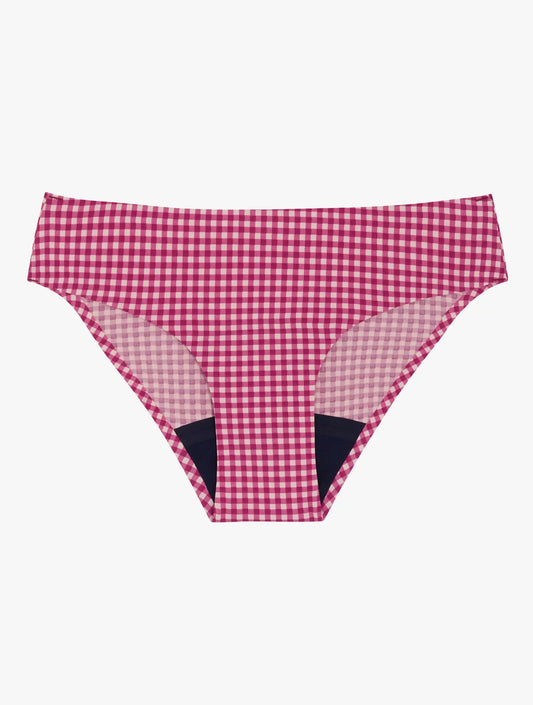
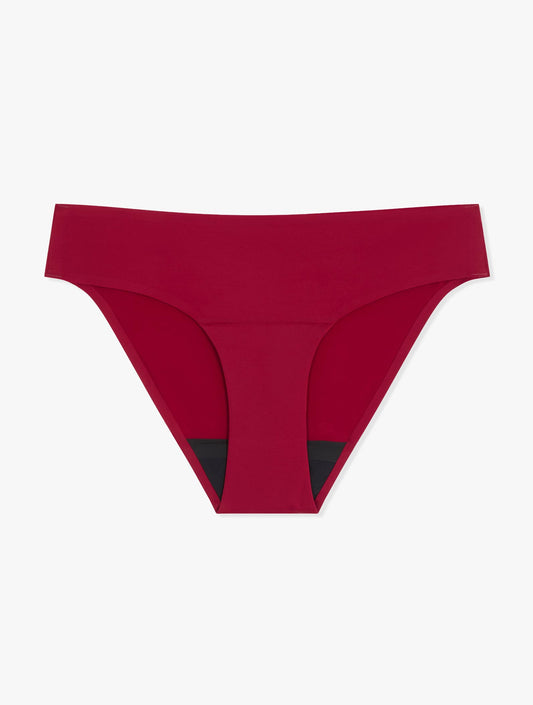
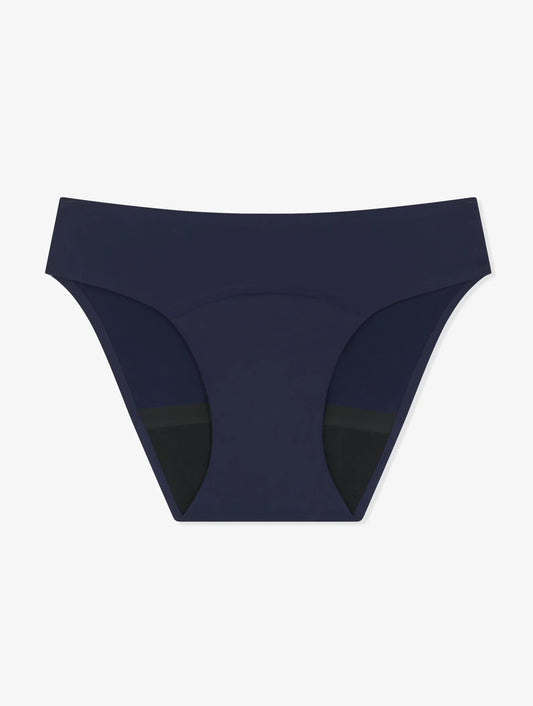
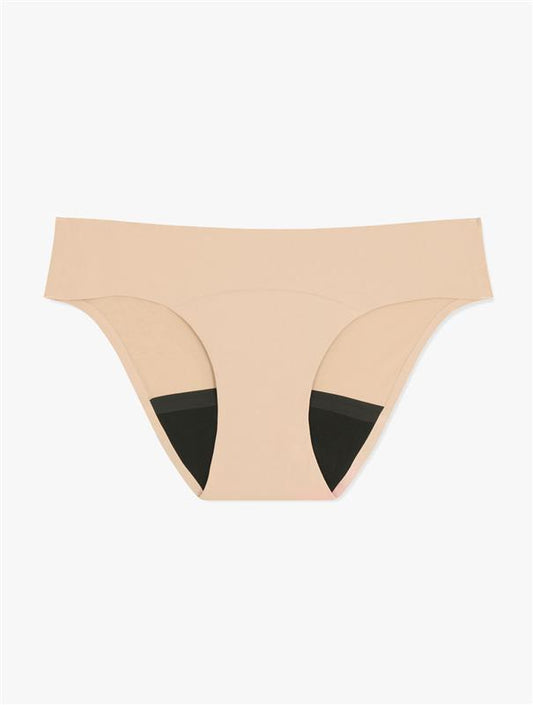
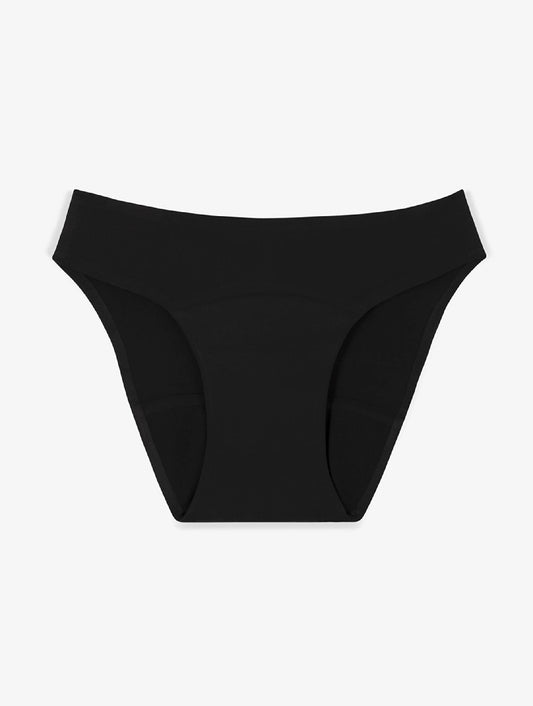
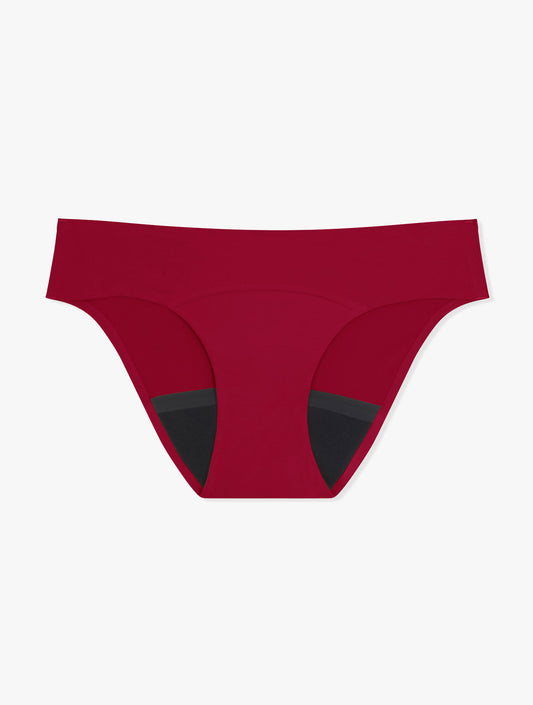
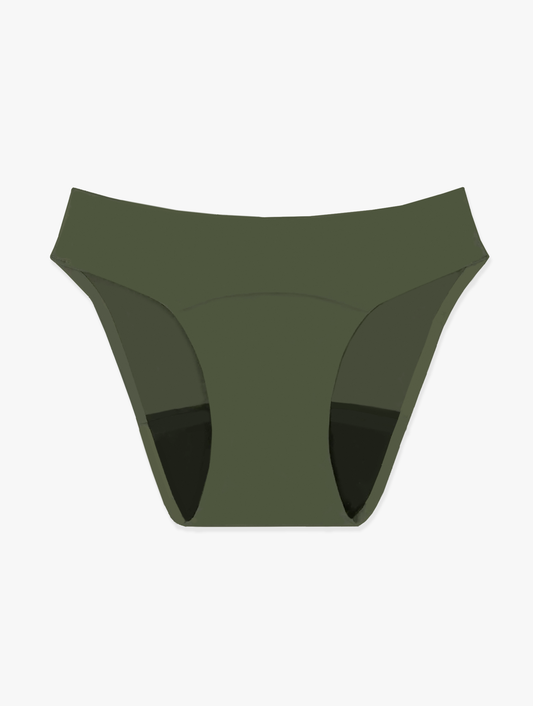
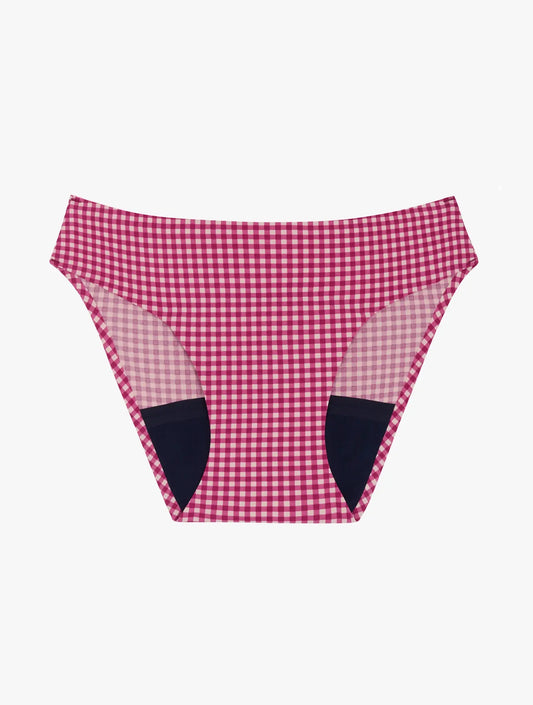
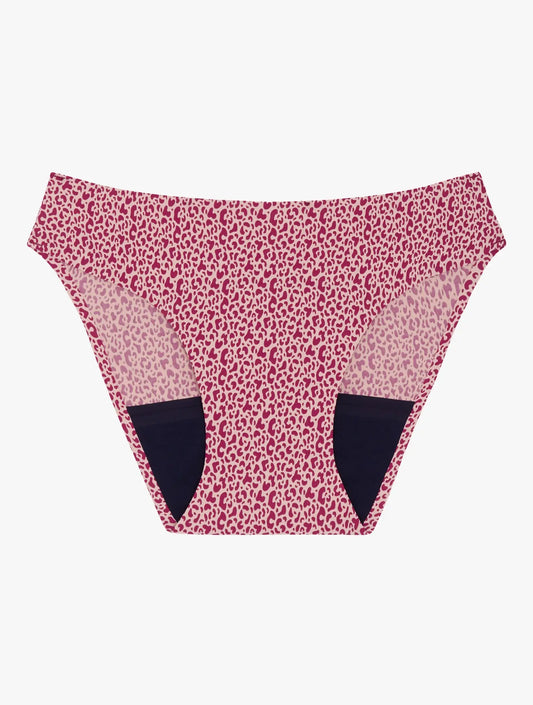
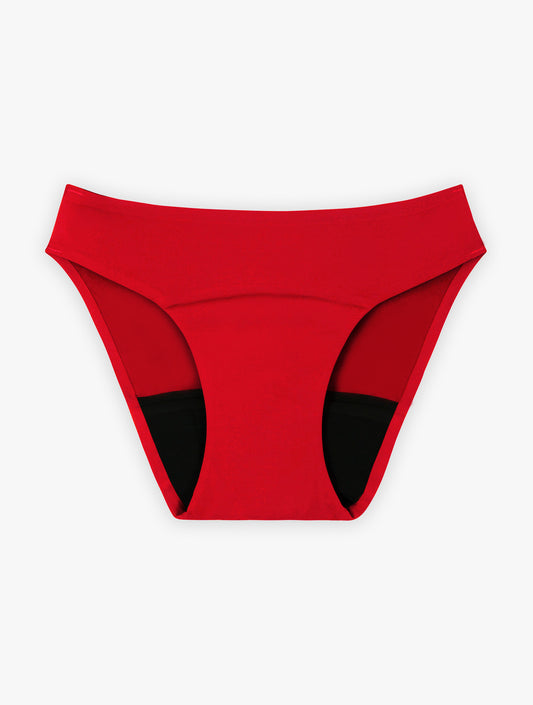
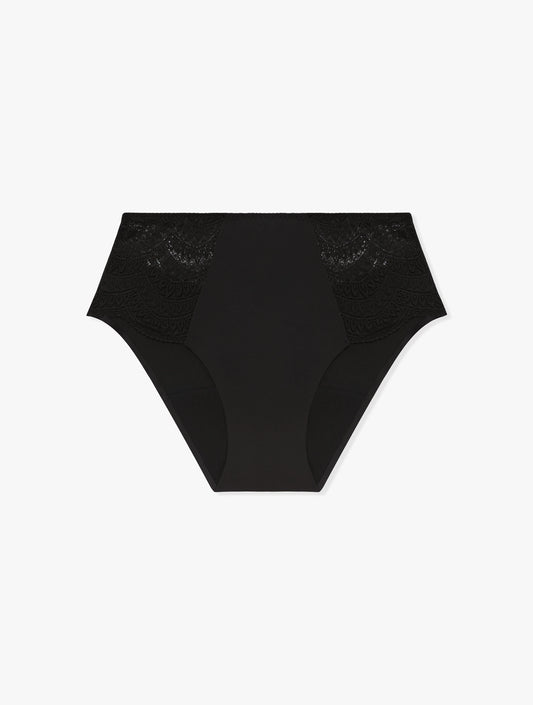
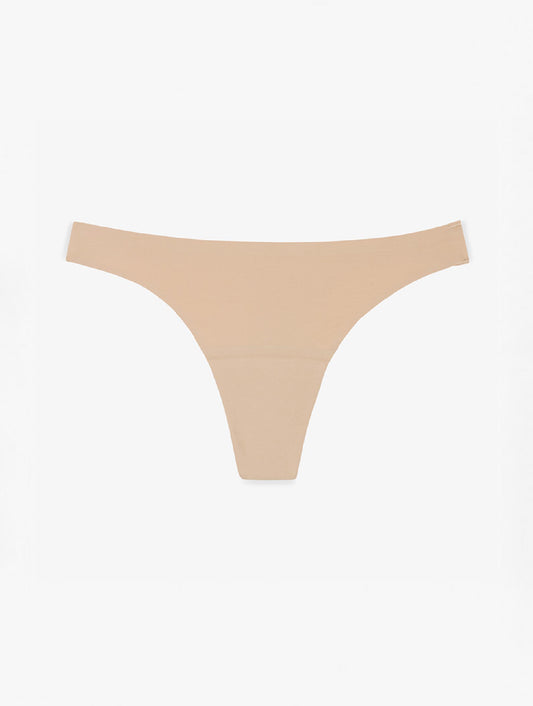
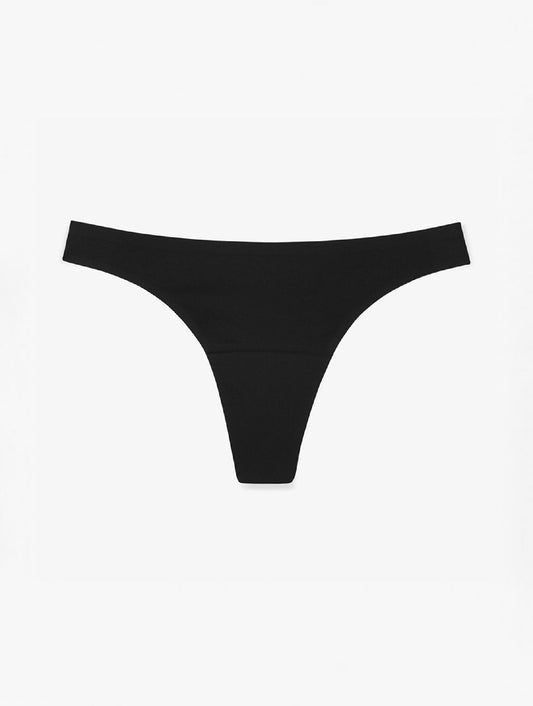
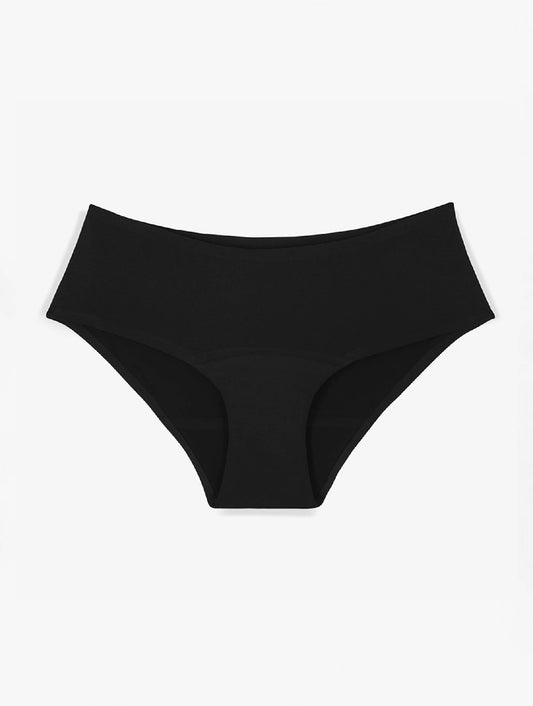
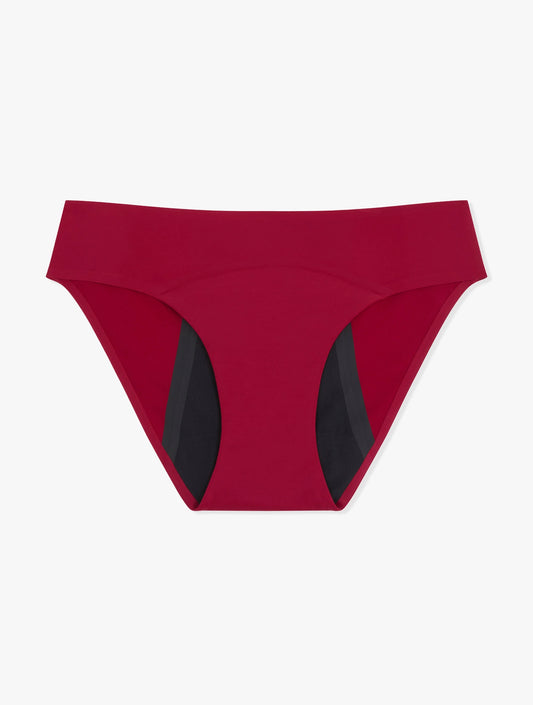
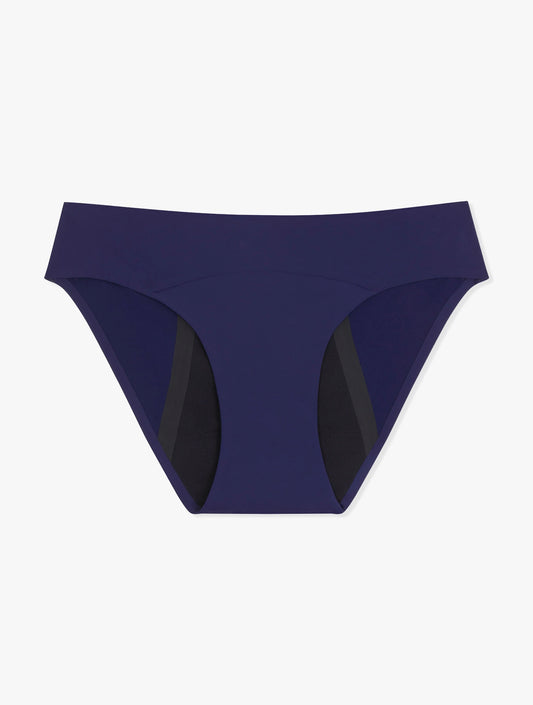
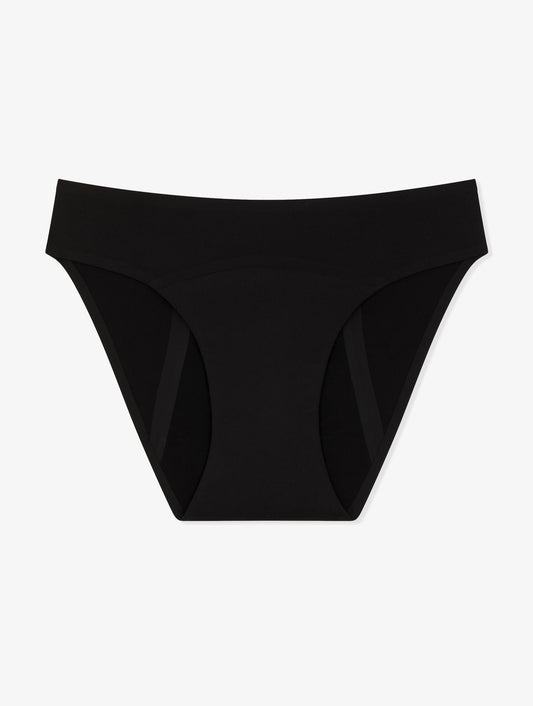
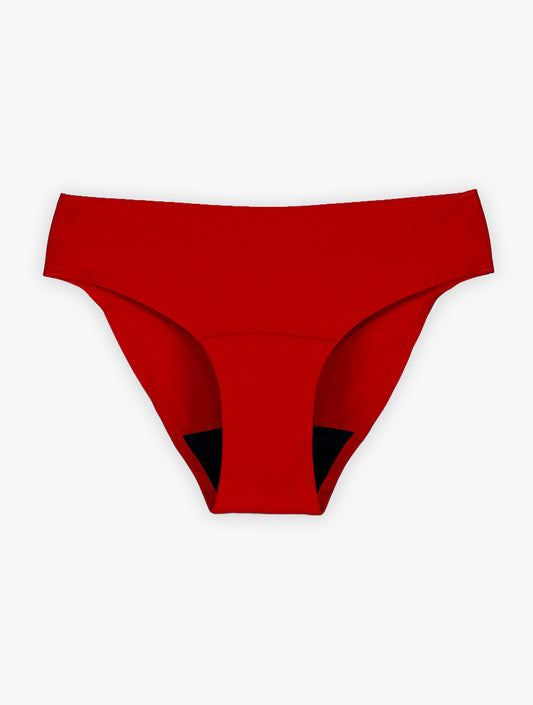
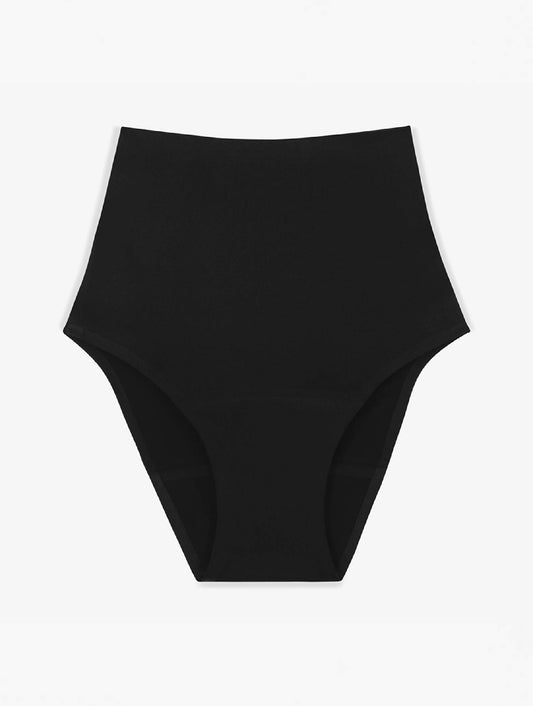
This transitional phase is accompanied by sometimes heavy bleeding during the first days after childbirth. This bleeding, called lochia, usually lasts no more than four weeks, and a postpartum menstrual panty is perfectly suitable.
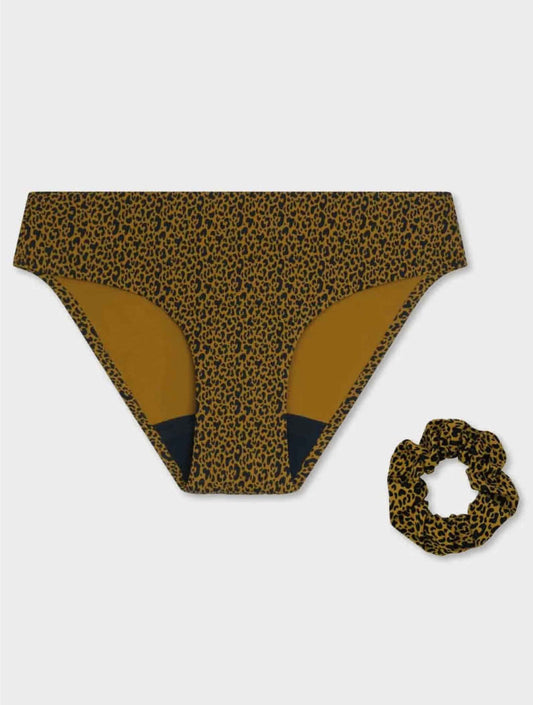
If you’re going to the pool, don’t forget your menstrual swimsuit!
Postpartum Bleeding: The Lochia
Lochia are blood discharges occurring in the first weeks after childbirth. They indicate proper healing of the uterus and cervix. The elimination of lochia containing debris from the uterine lining and blood vessels that supplied the placenta means the tissues are healing.
In the first days, the bleeding can be heavy and contain clots. Its color ranges from light red to bright red, especially during breastfeeding. By the end of the first week, it turns pink or brown, then yellowish, and finally colorless.
Lochia usually last up to four weeks. Breastfeeding shortens the duration of this bleeding. Indeed, during nursing, the body produces oxytocin, a natural hormone that stimulates uterine contractions. The good news is that these contractions help the uterus expel lochia more quickly and effectively.
During this bleeding period, your midwife will advise against using tampons because they increase the risk of pain and infections. She will recommend using a sanitary pad or, better yet, a menstrual panty.
Postpartum Bleeding: The Small Postpartum Bleeding
About the twelfth day after childbirth, bleeding may intensify again. This is nothing serious. It is likely the “small postpartum bleeding.” This heavy bleeding lasts about 48 hours and signals that the uterus is continuing its healing process. It is caused by the drop in pregnancy hormones (estrogen and progesterone) and is unrelated to the return of menstrual cycles. In many cases, the “small postpartum bleeding” goes unnoticed by the new mother because it blends completely with the lochia.
How Does Postpartum Bleeding Progress?
If you do not breastfeed, your first period is expected to return about 4 to 6 weeks after childbirth.
If you breastfeed, your postpartum bleeding will be later. In other words, your period will most likely return at the end of the breastfeeding period. Also, a nursing bra is highly recommended.
Symptoms announcing postpartum bleeding can vary from one mother to another.
For some, early signs may include breast and lower abdominal pain or mood changes. For others, postpartum bleeding presents no symptoms.
What is commonly observed during postpartum bleeding is its duration and heaviness. Indeed, bleeding can last for a week or more. Its flow can be heavier than during regular cycles.
Should You Wait for Postpartum Bleeding to Resume Contraception?
Ovulation (return of fertility) can occur before postpartum bleeding or during breastfeeding. Indeed, even exclusive breastfeeding (6 to 8 feedings with no more than 6 hours between each) does not protect against ovulation and thus a new pregnancy. It is therefore important to resume contraception without waiting for postpartum bleeding. Your doctor or midwife can advise you on:
- The progestin-only pill or mini-pill to start 21 days after childbirth (a combined pill can be chosen after stopping breastfeeding);
- The implant (effective up to 3 years), to be placed before leaving the maternity ward and removable at any time;
- The intrauterine device (IUD), to be inserted during the postnatal check-up (6 to 8 weeks after childbirth);
- Condoms.
Postnatal Check-Up: Monitoring Childbirth and Postpartum Bleeding
Scheduled within 6 to 8 weeks after childbirth, the postnatal check-up roughly coincides with postpartum bleeding. During this visit, the doctor performs a gynecological exam including:
- Checking the vagina, cervix, and ovaries;
- Examining the episiotomy or cesarean scar;
- Monitoring weight;
- Measuring blood pressure;
- Palpating the breasts;
- Screening for infections;
- Checking for venous insufficiency.
The postnatal check-up is also an important opportunity to:
- Assess the postpartum period and the return of your period;
- Test the tone of your perineum and prescribe pelvic floor rehabilitation sessions;
- Consider the contraception method best suited to your situation, knowing that contraception prescribed at the maternity ward is often temporary.
With postpartum bleeding, your menstrual cycle returns to normal. Regarding hygiene products, this is the perfect time to make good choices and try the “zero waste period” option. By choosing a menstrual panty to use alone or alongside a cup, you provide your body with natural and secure protection and make a positive impact on the environment.