Periods and Anemia
Do you feel very tired after your period? Have you lost your appetite and get out of breath with the slightest effort? Significant blood loss due to heavy periods can cause iron-deficiency anemia. Perhaps you suffer from it like 4 to 8% of European women of childbearing age. Ideally, you should have a blood test to assess your health status. But first, here are some explanations.
Why can menstruation lead to anemia?
Any blood loss means a loss of red blood cells and iron. If your diet does not make up for the deficit, you risk developing iron-deficiency anemia.
Since iron helps transport oxygen to all cells, a deficiency causes a global dysfunction of the body. Indeed, cells consume oxygen to produce the energy our organs and muscles need to function properly.
If, in addition to your heavy periods, you have had closely spaced pregnancies, follow a vegan diet, or have a chronic illness causing poor iron absorption, you are considered at risk. So be extra careful!
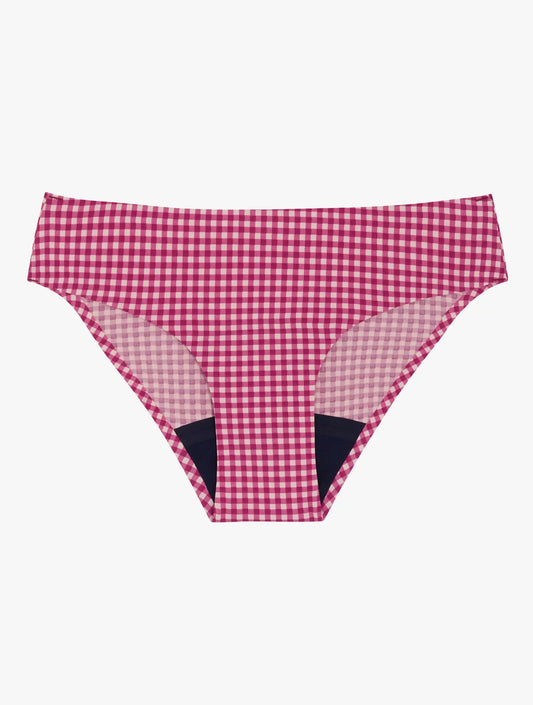
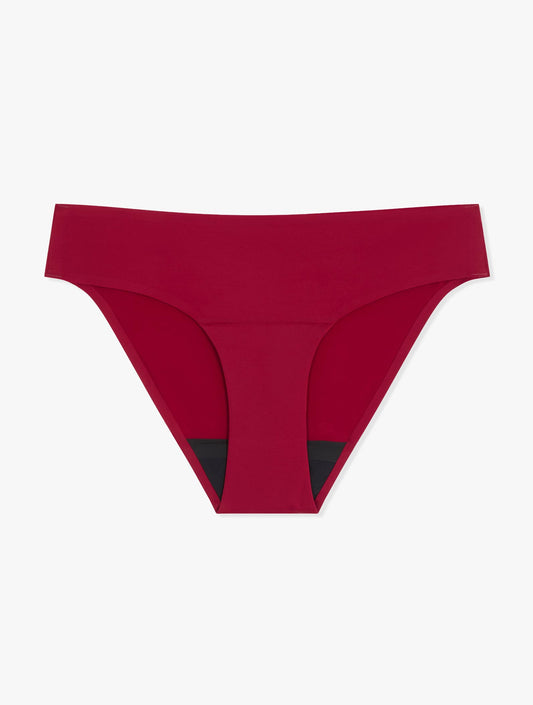
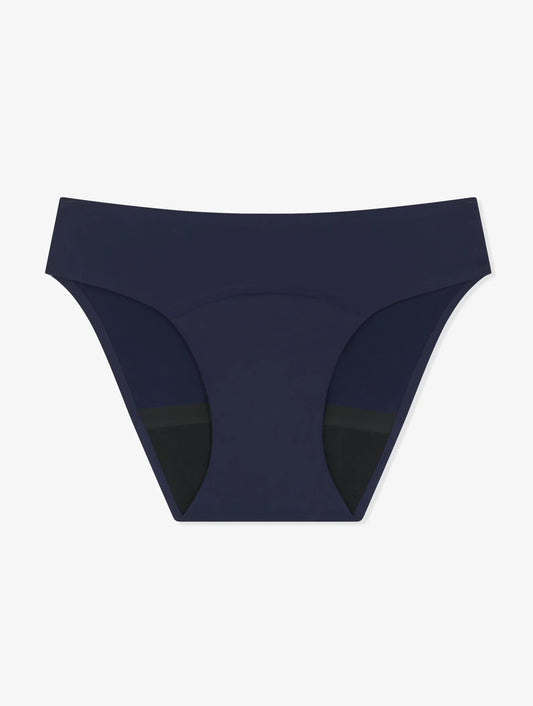
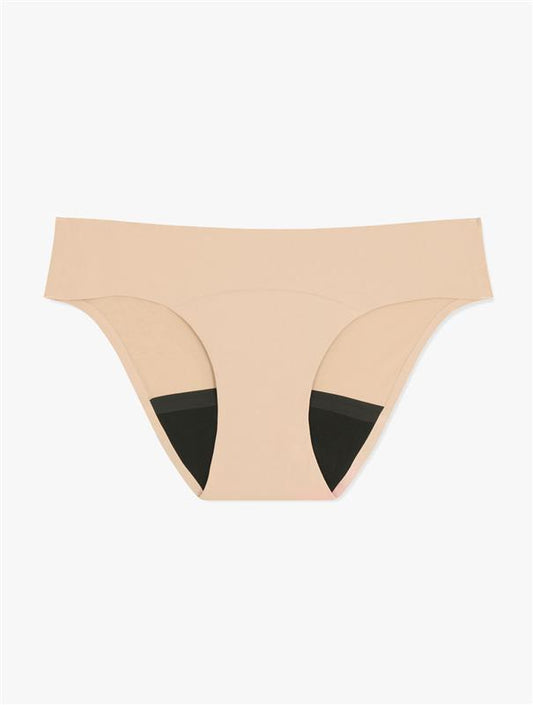
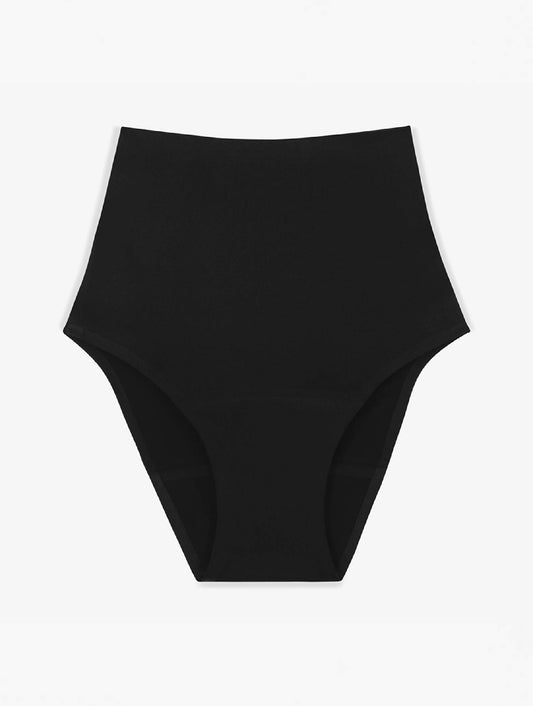
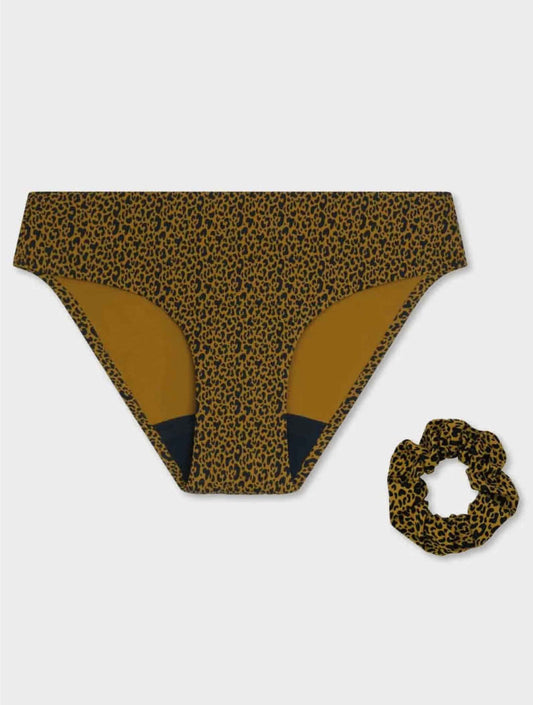
And don’t forget to choose your menstrual panties or menstrual swimsuit if you need to go to the pool. There are even menstrual swimsuits for teenagers.
Symptoms of anemia
It is not always easy to spot the symptoms of iron-deficiency anemia, especially when it is mild. Here are the main ones:
-
Severe fatigue: even raising your arm exhausts you
-
Pale complexion and white inside of the eyes instead of red
-
Rapid heartbeat, sometimes making it hard to fall asleep
-
Difficulty taking deep breaths and quick shortness of breath
-
Cold extremities
-
Dizziness and vertigo
-
Difficulty concentrating and thinking
-
Digestive troubles, stomach aches, nausea
-
Headaches
Of course, symptoms do not all appear at once and will vary depending on the day and your cycles. After each period, try to listen to the signals your body sends you. Even if your iron deficiency is minimal, it’s best to detect it as early as possible. Because if you don’t act, the iron deficiency may gradually worsen until it becomes truly problematic.
Reducing the risk of anemia during your period
There’s no mystery: if you lack iron, you need to absorb more. There are two types: heme iron, which is easily absorbed by our body, and non-heme iron, which is much less so. Here are some dietary sources for these two types of iron:
-
Heme iron: liver, clams, beef, pigeon, black pudding, sardines
-
Non-heme iron: green vegetables, legumes, seaweed, nuts, sesame seeds, dried apricots
As you can see, iron is better absorbed when it comes from animal products. That doesn’t mean you can’t follow a vegan diet to get your dose. You just need to be more careful! Here are some tips to help you.
To promote iron absorption, consume vitamin C at the same time. However, avoid drinking tea or coffee during your meal. You can also consume nettles, which are not only very rich in iron but also contain all the essential amino acids your body needs.
You can easily find them in your garden if you have one to make a delicious soup. You can also buy dried nettle leaves in health food stores to make herbal teas. A great breakfast combo: fruits rich in vitamin C (kiwi, orange, strawberry) + a large cup of nettle tea. You’ll stay well hydrated and get plenty of iron.
One last, less healthy option is possible: iron-fortified cereals. Choose the least sugary ones, like corn flakes, for example.
If symptoms persist despite all your precautions, consult your doctor without delay. They will prescribe treatment to supplement your iron. Unfortunately, tablets are often poorly tolerated and usually cause digestive issues. But it’s worth trying if your deficiency is ruining your life.
By Emilie