
Ours, lunes, ragnagnas… Where do these expressions about periods come from?
Embarrassment or modesty, naming periods has always been a tricky exercise. This has led to our menstrual cycle being given gentle names like bears, ragnagnas, moons, poppies, or even tomatoes, just to name a few. Anything but saying THE word. The term used instead sometimes has a negative connotation, which, besides being annoying, could give us a poor view of ourselves. Well, there are also funny expressions, so let’s not be prudes. But where do they come from and what do they mean? A brief, non-exhaustive glossary of expressions referring to menstruation, in France and elsewhere.


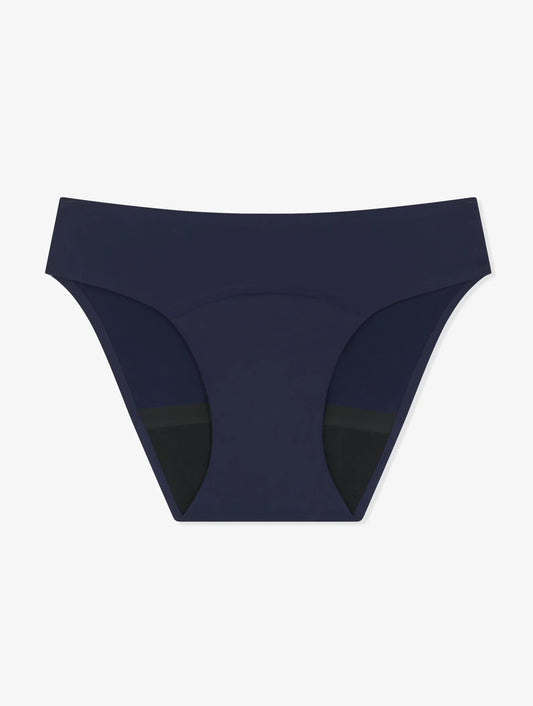
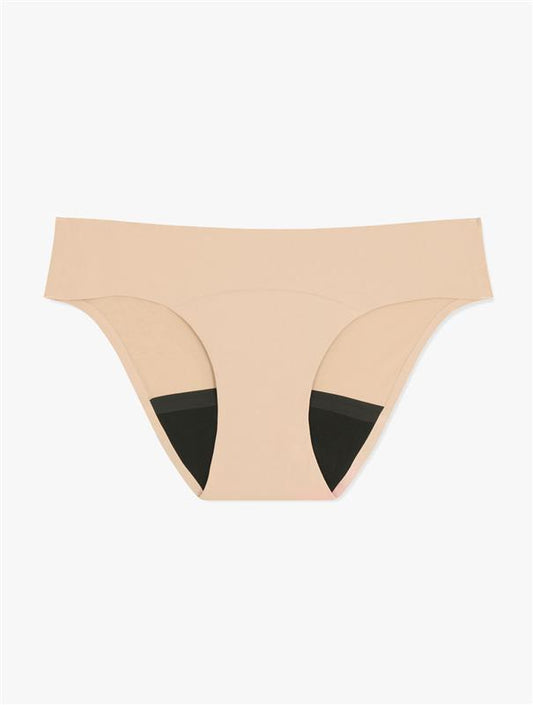
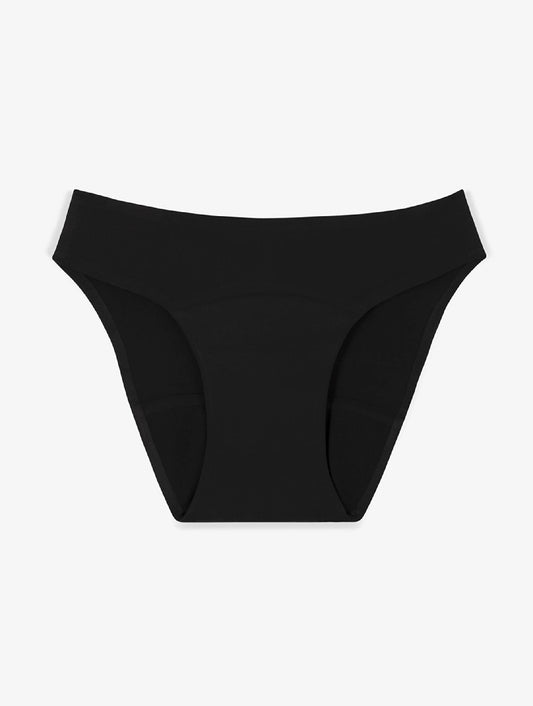
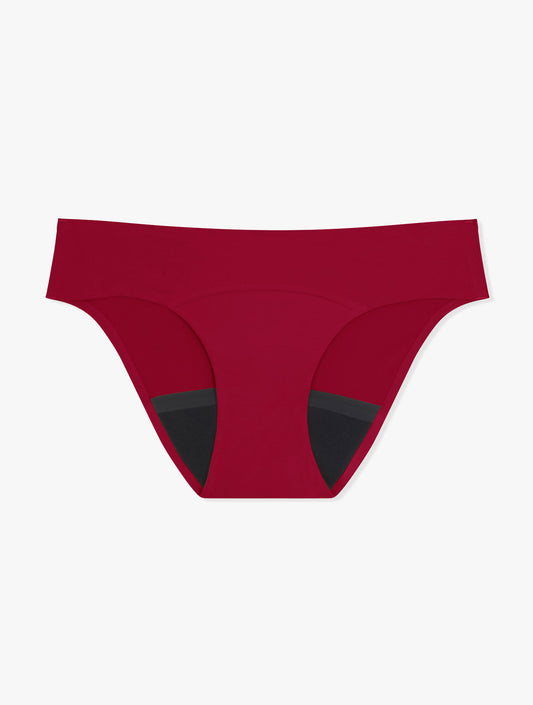
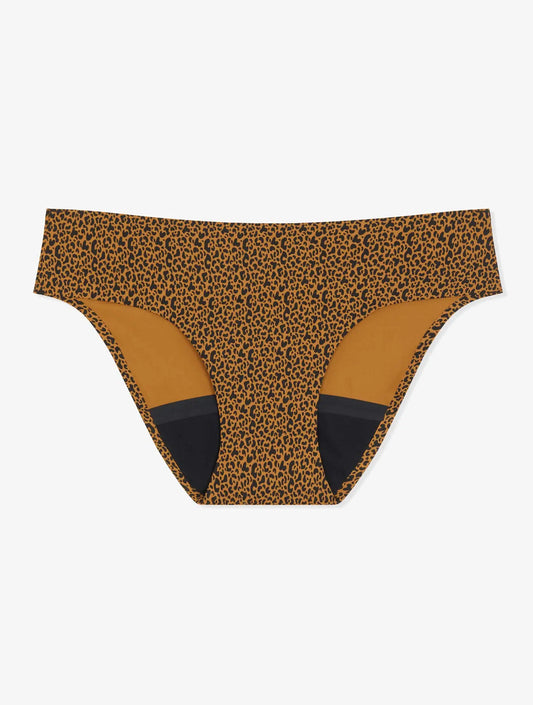
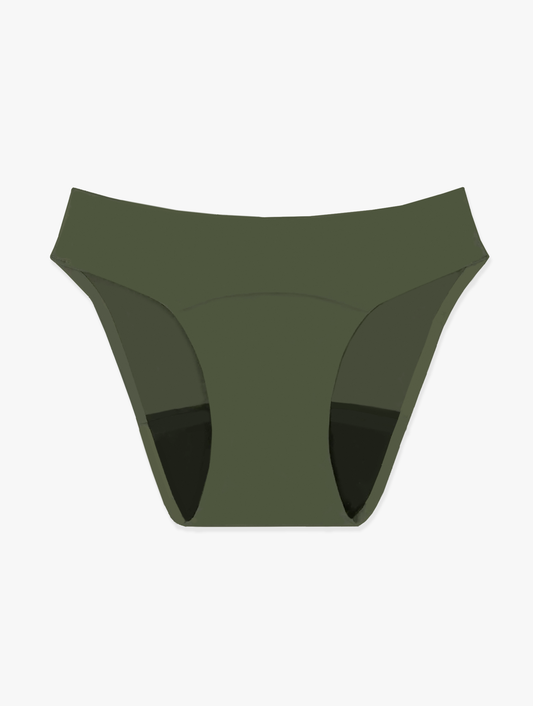
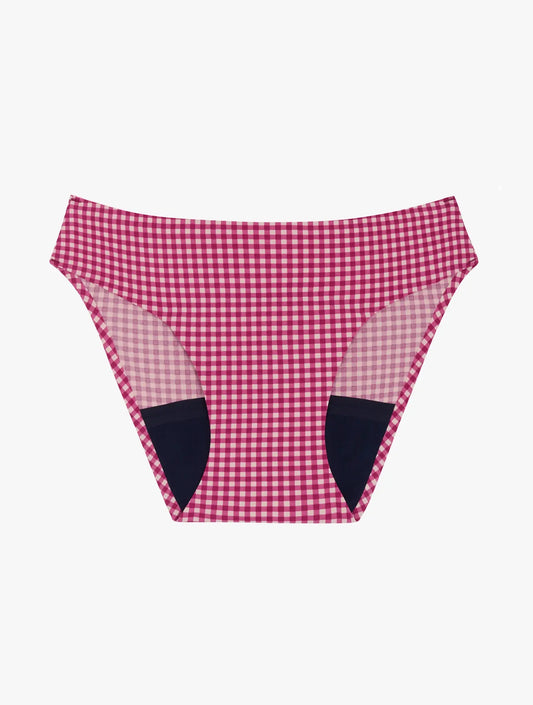
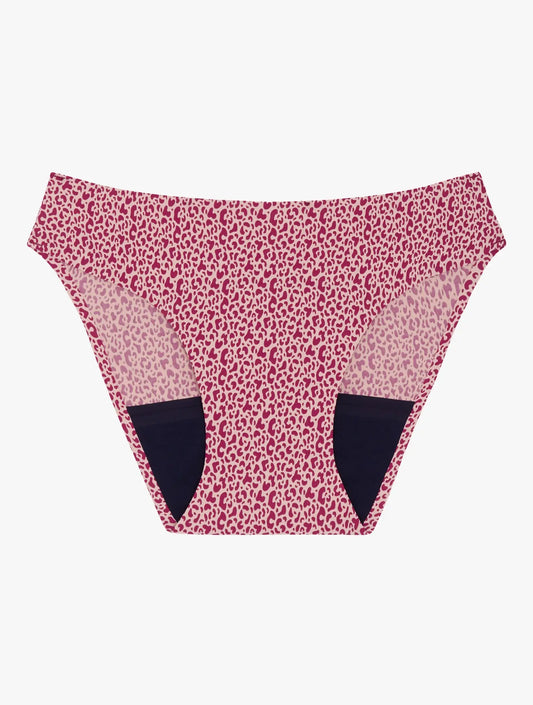
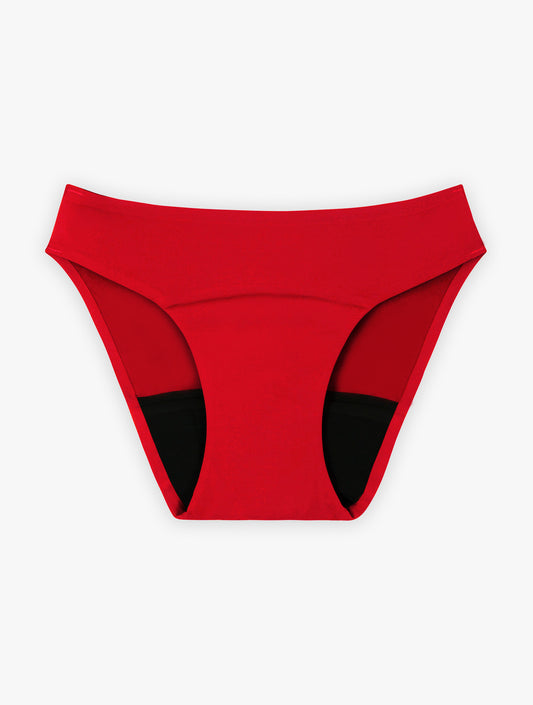
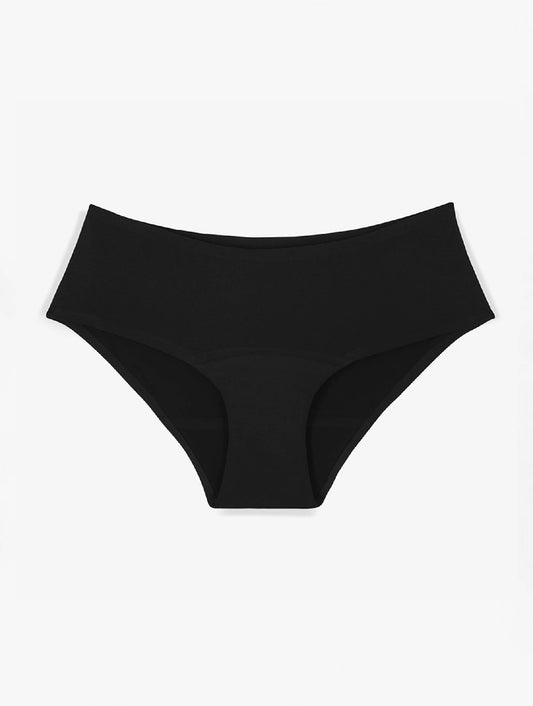
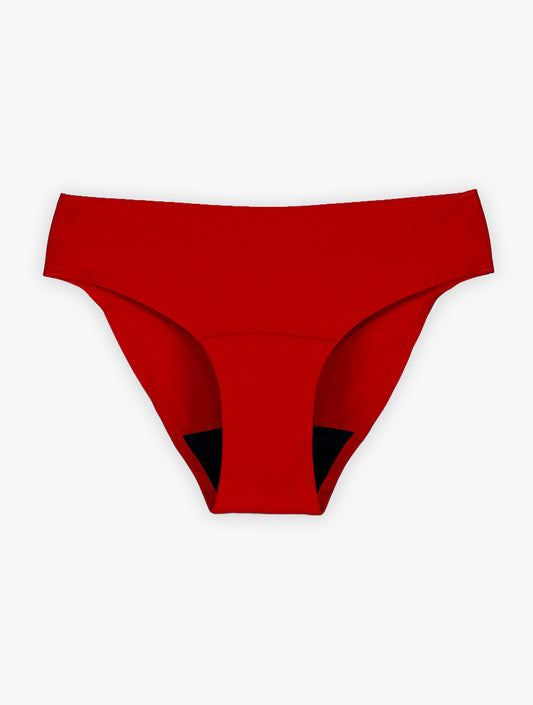
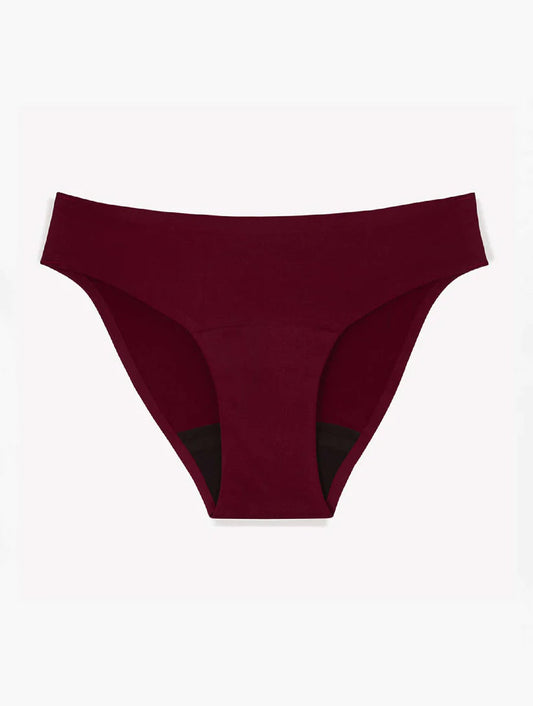
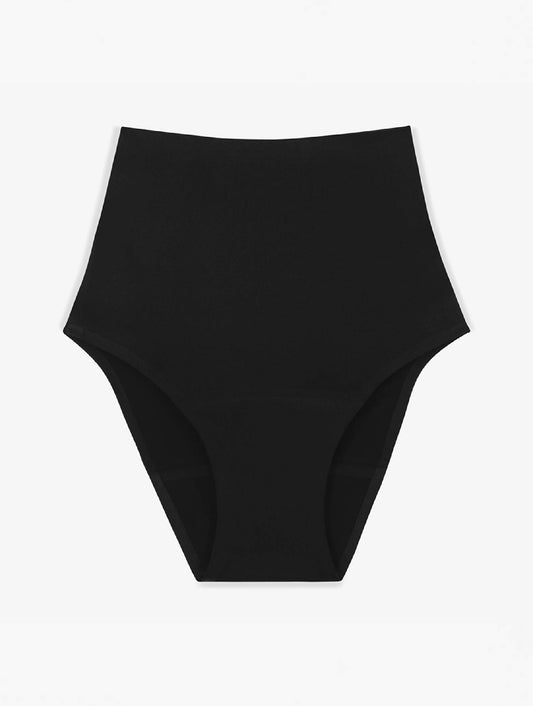
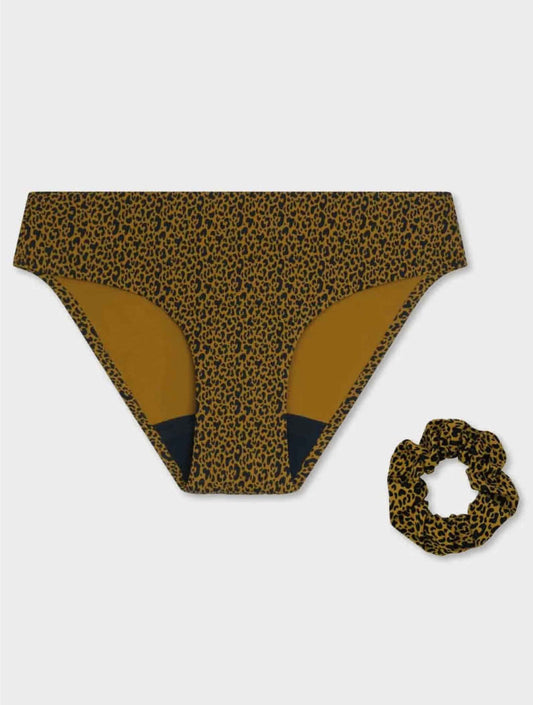
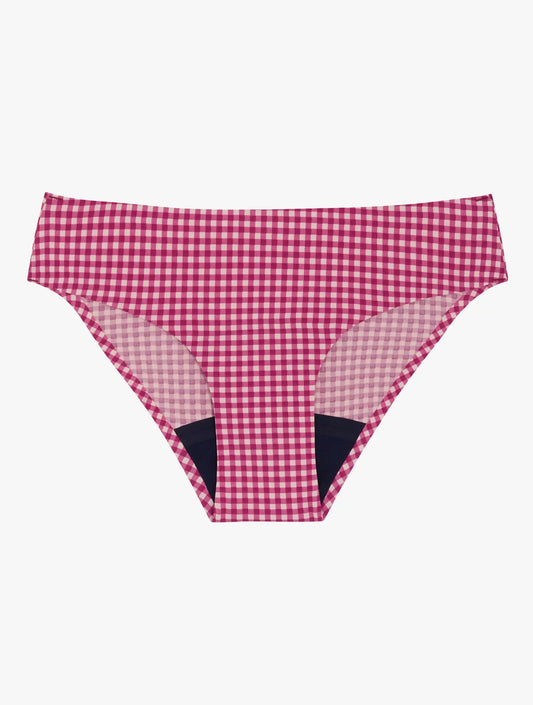
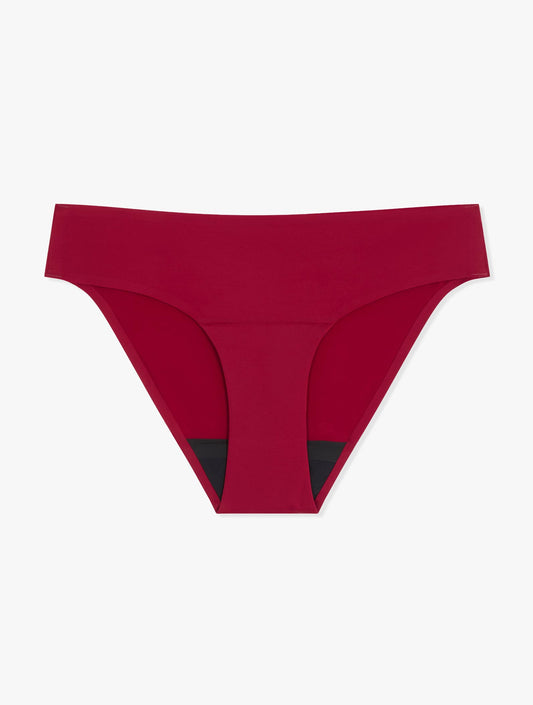
Hébé period panties for teens


Having your moons
Let’s start with a bit of etymology (and poetry). In Indo-European, then in ancient Greek, mênê means the moon. From there, lunar cycles gave rise to the Latin word “mensis,” which means “month.” The term menstruation thus comes from the moon, our beautiful satellite that Native Americans saw as a woman and called indisposed when it was waning! Today, having your moons means having your period, not necessarily being moody. And for a full moon... a menstrual panty for heavy flow?
Having your ragnagnas
Less cosmic and especially less pleasant, the expression ragnagnas is said to be an onomatopoeia evoking the grumbling and complaints of a woman when she has her period. So naturally, it implies bad mood (no comment). It’s rather recent and not very nice to say, so if you want to play with assonance—you can look up the definition if you’re curious—I prefer to say I have my tagadas (an expression from a friend of mine).
Crushing your tomatoes (or having your ketchup week)
No need to draw a picture here. It’s all about the color. It’s up to you to decide if you’re more fruit or flower—because you can also have your poppies, or your cranberry week if you’re Danish. And if you really want to show it (the color), proudly wave the red flag. At least that’s what they do in the Benelux countries.
Having your bears
Another way to say we’re in a terrible mood during our menstrual cycle. Well, if you believe the first theory. This one dates back to the early 20th century and claims that since a gruff, ill-mannered man was called a bear, that bear was us when we had our period. Sigh… The second theory might come from “having your days,” those famous days when being in public was more delicate (the menstrual panty didn’t exist yet, it was much less practical... and don’t even mention the menstrual swimsuit!). An older expression that over time became “having your bears,” which was pronounced without the “s” until the late 19th century and caused confusion. Between the two explanations, you can choose the one you prefer.
The English have landed
Here’s an expression that originates from Waterloo and the famous defeat suffered in 1815 by its men against the English. They wore magnificent red tunics when they landed on the battlefield. Impressive! Gustave Flaubert may have been the first to call the female menstrual cycle “the English,” relieved when they arrived at his mistress Louise Colet’s place, whom he terribly feared impregnating.
Having the melon split
The Japanese are not short of creativity and practice metaphor with grace. They prove it once again with this very vivid and fresh expression.
And all those other expressions about periods I haven’t told you about
This little glossary is of course incomplete since imagination runs wild when it comes to beating around the bush. No pun intended, promise. Think of the delightful “Liverpool playing at home” among football fans, or “watch out for the stop” among road safety advocates. It’s up to you to enrich the list if you’re inspired!
By Elise