Bleeding outside of periods:
understand them better in 5 questions
A red, pink, or brownish stain on your underwear when your cycle seemed stable... Bleeding outside of periods can surprise, worry, or even cause anxiety. Yet, it is not uncommon.
The menstrual cycle is a delicate mechanism, orchestrated by hormones. At the slightest variation, light vaginal bleeding can appear. Understanding these episodes helps to better listen to your body — without panic, but without ignoring the signals it sends.
What is spotting?
Spotting refers to light vaginal bleeding that occurs outside of periods. These are small blood losses, visible as discreet spots on underwear. The color can vary from light pink to dark brown, depending on the oxidation of the blood.
Unlike periods, the flow is very light. It can last a few hours to a few days and does not necessarily require standard protection.
Spotting can occur at ovulation, during a change in hormonal contraception, a missed pill, or at the very beginning of pregnancy. These losses are often benign: they reflect a hormonal variation or a temporary fragility of the uterine lining.
Light bleeding
Spotting
A few discreet spots, very light flow. Often without associated pain, short duration.
- Very light flow, a few spots
- A few hours to 2–3 days
- Often hormonal cause or related to ovulation
- Generally benign, monitor if repetitive
More pronounced bleeding
Metrorrhagia
Heavier or prolonged uterine bleeding, which can resemble a typical menstrual flow or even exceed it.
- Flow comparable to periods
- Can last several days
- Requires medical advice if recurrent
- May be accompanied by pelvic pain
In both cases, we talk about bleeding outside of periods. But the causes and consequences can be very different.
5 questions to better understand
bleeding outside of periods
What are the possible causes of bleeding outside of periods?
The causes are multiple — hormonal, psychological, or related to a pathology. Among the most common:
- Hormonal variations: an imbalance between estrogen and progesterone can weaken the endometrium and cause unexpected bleeding.
- Ovulation: some women notice light vaginal bleeding at ovulation. This is a common and temporary phenomenon.
- Hormonal contraception: pill, implant, patch, or IUD can cause bleeding outside of periods, especially at the start of use or if a dose is missed.
- Stress and fatigue: an emotional shock or a change in lifestyle can disrupt the cycle and cause unexpected bleeding.
- Pregnancy: implantation bleeding can appear as light spotting at the very beginning of pregnancy.
- Infections: certain vaginal or uterine infections can cause bleeding, often accompanied by pain or unusual discharge.
- Gynecological conditions: fibroids, polyps, endometriosis, PCOS, or thyroid disorders can cause metrorrhagia.
A single episode does not have the same meaning as recurrent bleeding over several cycles. Long-term observation is essential.
I have bleeding outside of periods — is it necessarily serious?
No. Light, occasional spotting without pain or other associated symptoms is often harmless. The female body changes over time: puberty, postpartum, pre-menopause... These hormonal transition periods can cause temporary bleeding.
However, some signs warrant a consultation:
Signs to watch for
- Heavy flow during unusual discharge
- Severe pelvic pain
- Feeling of unusual weakness or fatigue
- Bleeding after sexual intercourse
- Bleeding after menopause
- Very irregular menstrual cycle
The important thing is to observe the frequency, intensity, and context of the bleeding. These factors guide the medical assessment.
When should you see a doctor for bleeding outside of periods?
It is recommended to consult a healthcare professional if:
- Bleeding outside of periods becomes regular
- The duration exceeds a few days
- The flow is comparable to heavy periods
- The menstrual cycle becomes very irregular
- You experience persistent pain
- You suspect a pregnancy
Note
In menopause, any bleeding outside of periods requires a consultation. Likewise, in confirmed pregnancy, bleeding needs medical advice to rule out certain complications.
It’s better to ask than to stay uncertain. A consultation often reassures and rules out serious causes.
Who to consult in case of bleeding outside of periods?
Several professionals can support you: the general practitioner, gynecologist, or midwife. Depending on the situation, additional tests may be prescribed.
- Pelvic ultrasound: to visualize the uterus, ovaries, and uterine lining.
- Hormonal analysis: to assess the estrogen/progesterone balance.
- Smear test and blood work: to detect an infection or abnormality.
The goal is not only to treat but to understand the source of the bleeding.
What care is needed for bleeding outside of periods?
Care always depends on the cause:
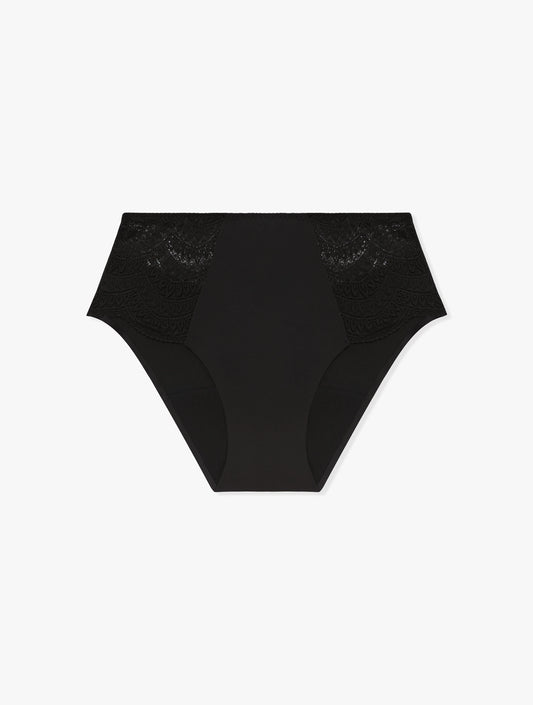
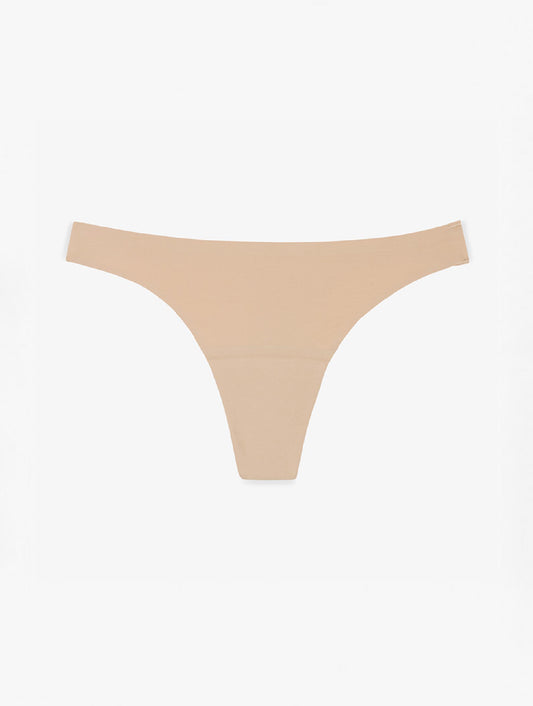
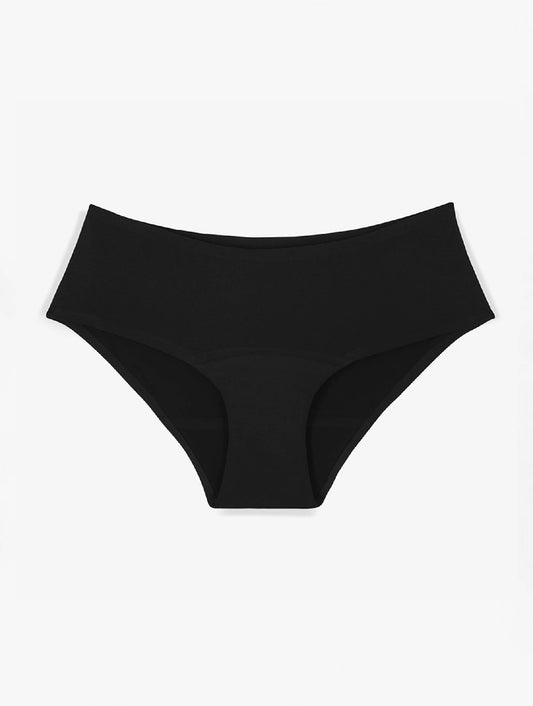
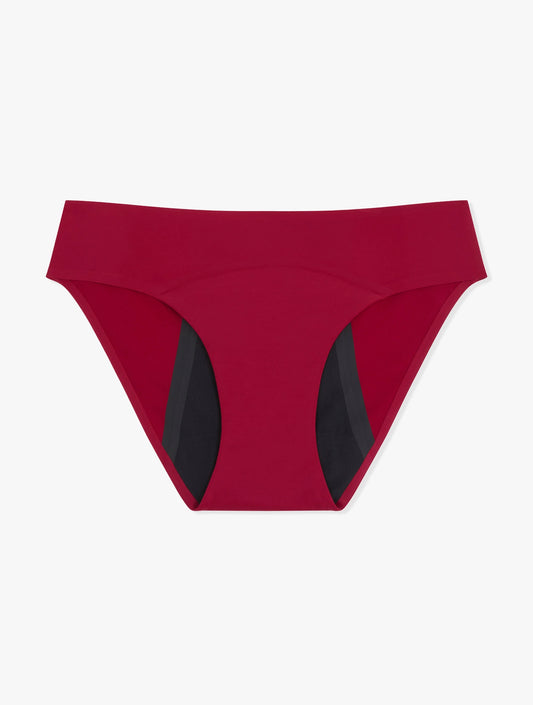
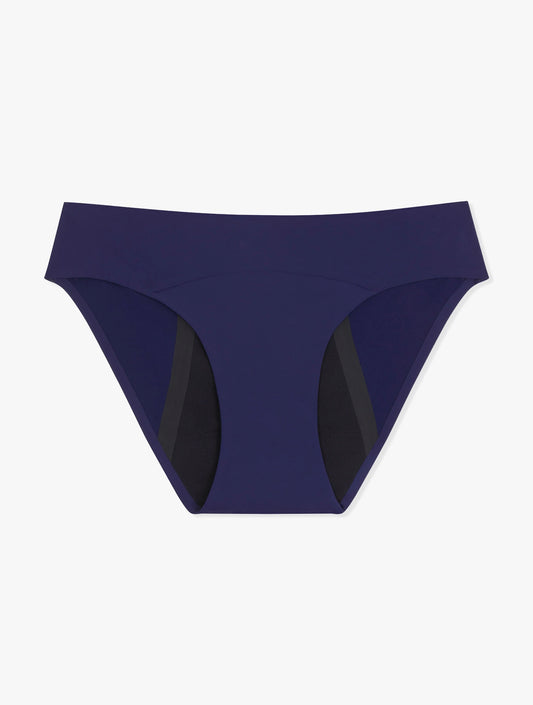
During these times, daily comfort can be compromised. An absorbent, breathable, and discreet underwear helps manage these unexpected light bleedings.
In summary
Bleeding outside of periods, whether light spotting or heavier metrorrhagia, is part of the unexpected events in the menstrual cycle. It can be related to hormonal changes, contraception, ovulation, pregnancy, or a gynecological condition.
Better understanding the causes of bleeding outside of periods, knowing when to consult a doctor, and how to respond helps you get through these episodes more calmly.
The female body evolves, adapts, and constantly adjusts its balance. Listening to it and supporting it with respectful and comfortable solutions means extending that care beyond your period.