Early Periods: Understanding the Causes, Listening to Your Body, and Staying Calm
Periods that arrive earlier than expected can be surprising, worrying, or simply confusing. Whether your menstrual cycle is usually regular or tends to vary, noticing that your period comes several days before the expected date can be unsettling. Yet, this phenomenon is common and, in most cases, harmless. Understanding why your body reacts this way, what these changes might mean, and how to respond calmly is key to living your menstrual cycle with peace of mind.
The menstrual cycle is not a perfect clock it’s alive, influenced by hormones but also by physical, emotional, and environmental factors. Stress, hormonal changes, contraception, lifestyle, spotting, illness, or a change in routine… There are many possible causes for an early period. The goal is not to dramatize, but to identify your body’s signals to better understand what’s happening. This article provides a complete overview: possible causes, warning signs, when to consult a healthcare professional, and how to better manage an irregular cycle in daily life.
Why is my period coming early?
When a cycle lasts less than 21 days, it’s called a short cycle or early period. This shift can be occasional—often nothing to worry about—or more frequent, which may require attention. Several explanations are possible.
1. Natural hormonal variations
The menstrual cycle depends on a delicate hormonal balance between estrogen and progesterone. A natural fluctuation can sometimes trigger ovulation earlier, which automatically brings menstruation forward. Among teenagers, young adults, postpartum women, or those in perimenopause, this phenomenon is even more common because the hormonal system is in a phase of adjustment or rebalancing.
2. Stress and the nervous system
Stress—physical or psychological—is one of the most underestimated causes of early periods. When stress levels rise, the body produces more cortisol, a hormone that directly affects sex hormones. As a result, the cycle can become desynchronized, ovulation may be disrupted, and menstruation can arrive earlier than expected. Extreme fatigue, anxiety, lack of sleep, mental overload, or emotional shock can all advance your period.
3. Contraception and its variations
Starting, stopping, or forgetting certain forms of contraception—especially the pill—can cause early bleeding or periods. As the body adapts to hormonal changes, it’s common to experience an irregular cycle for a few weeks. In this case, the phenomenon is usually temporary.
4. Spotting
Sometimes spotting is mistaken for an early period. Spotting appears as light, often brownish bleeding outside of menstruation. It can occur around ovulation, with contraception, or due to stress or hormonal changes. Unlike a real period, spotting is usually lighter and shorter.
5. Lifestyle or routine changes
Travel, time zone shifts, new sleep patterns, dietary changes, or sudden weight loss/gain can also affect your cycle timing. Since the body is sensitive to change, it sometimes adjusts your period accordingly.
6. Medical causes (rarer)
Certain medical conditions—such as fibroids, infections, or thyroid disorders—can occasionally cause early periods. This is uncommon, but worth considering if it happens repeatedly or is accompanied by unusual symptoms (severe pain, heavy bleeding, fever, intense fatigue, etc.).
How to interpret an early menstrual cycle
To understand what your cycle is telling you, it’s best to observe your body’s signals over several weeks rather than drawing conclusions from just one month.
Recognize what’s normal
A menstrual cycle doesn’t need to be perfectly regular to be healthy. It’s completely normal for your period date to vary by a few days from month to month. A one-time early period isn’t necessarily a problem—it could simply be due to a temporary factor like stress, fatigue, or emotional strain.
Identify signs to monitor
Some symptoms, however, deserve attention, such as:
-
Periods coming very close together for several months in a row
-
Heavy or unusually long bleeding
-
Unusual or intense pain
-
Recurrent spotting
-
Cycles regularly shorter than 21 days
These don’t necessarily mean something is wrong—but they do warrant a closer look.
When to consult a healthcare professional
You should see a gynecologist, midwife, or doctor if:
-
Early periods become frequent
-
Bleeding is accompanied by severe pain, faintness, or fever
-
You suspect an infection
-
You recently stopped, forgot, or changed contraception
-
You suspect pregnancy (in which case a test may be helpful)
Consulting a professional helps rule out medical causes and get tailored support, especially if your cycles remain irregular.
How to regulate and better live with an irregular cycle
Even though part of your cycle is beyond conscious control, certain habits can support hormonal balance and promote regularity.
Sleep and stress management
Sleep directly affects hormones. Likewise, stress management techniques—breathing, gentle activities, regular breaks, walking—can help stabilize your cycle over time.
Physical activity
Regular physical activity supports hormonal health, but excessive intense exercise can disrupt your cycle. The key is balance.
Nutrition
A varied, nourishing diet rich in iron, fiber, omega-3s, and vitamins can help maintain a stable cycle and reduce imbalances.
Cycle tracking
Keeping a journal or using a period-tracking app helps identify your body’s patterns: spotting, pain, mood, cycle length, flow, PMS. These insights are valuable for understanding long-term menstrual changes.
Which period protection to use for early periods?
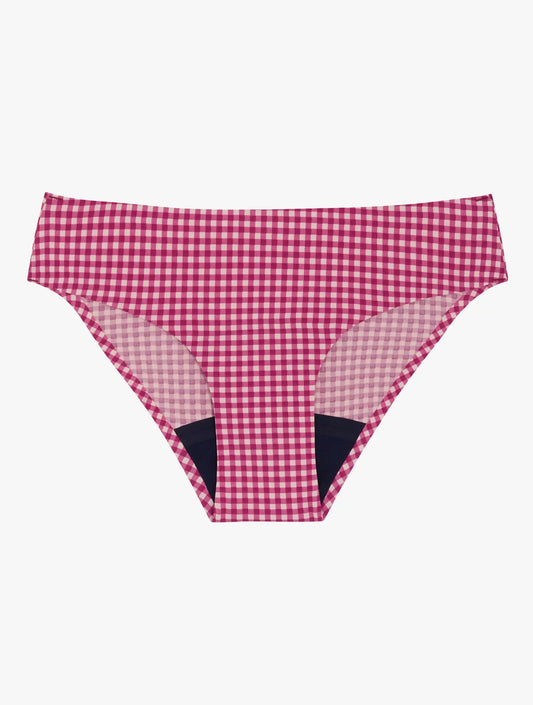
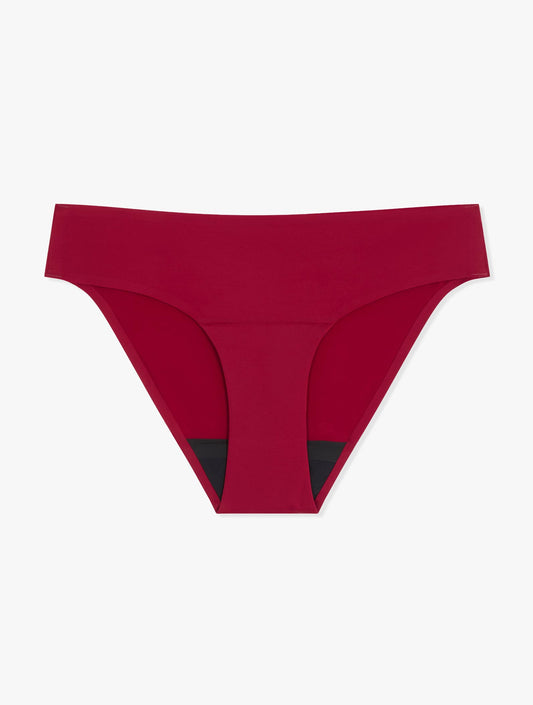
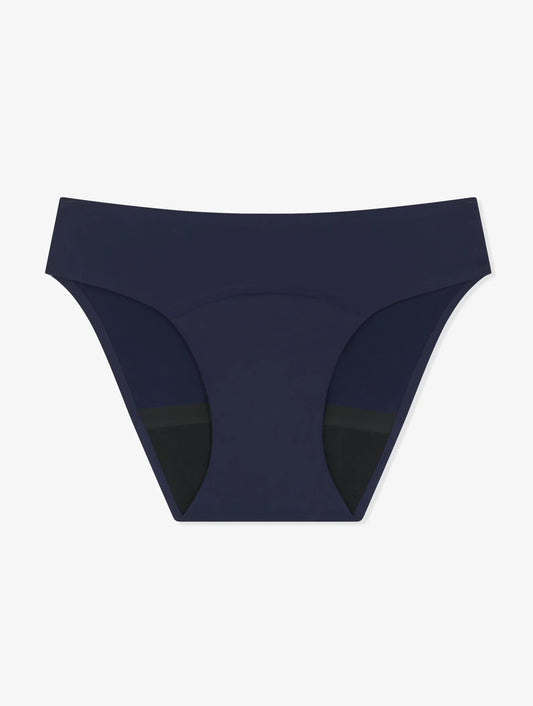
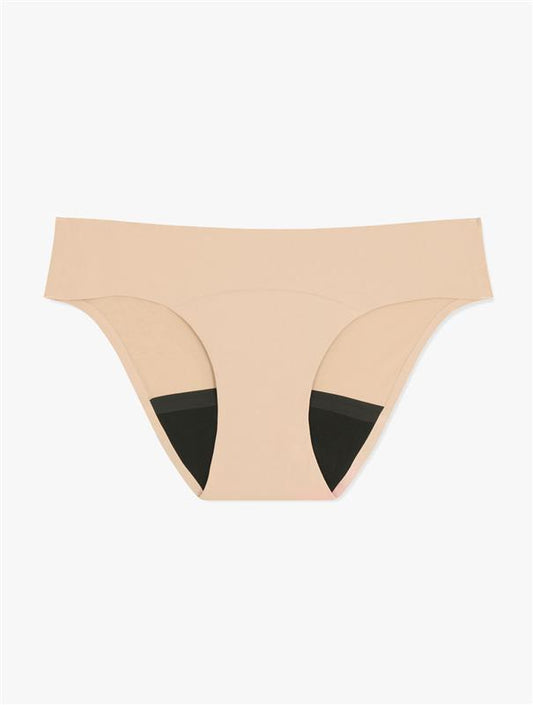
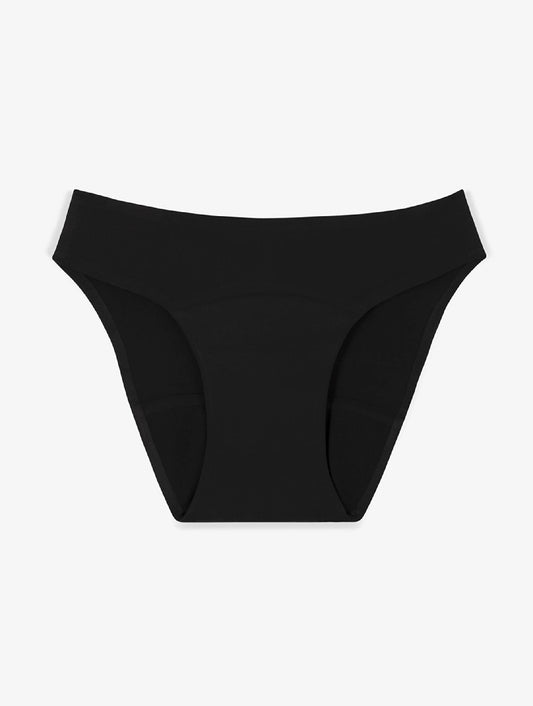
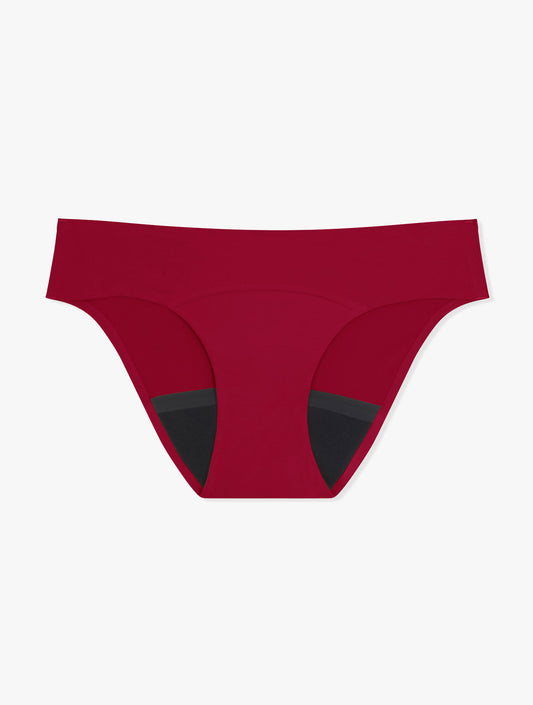
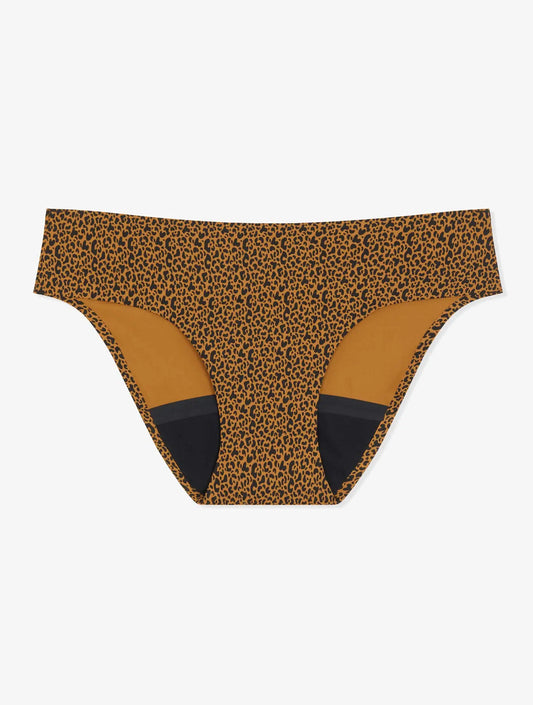
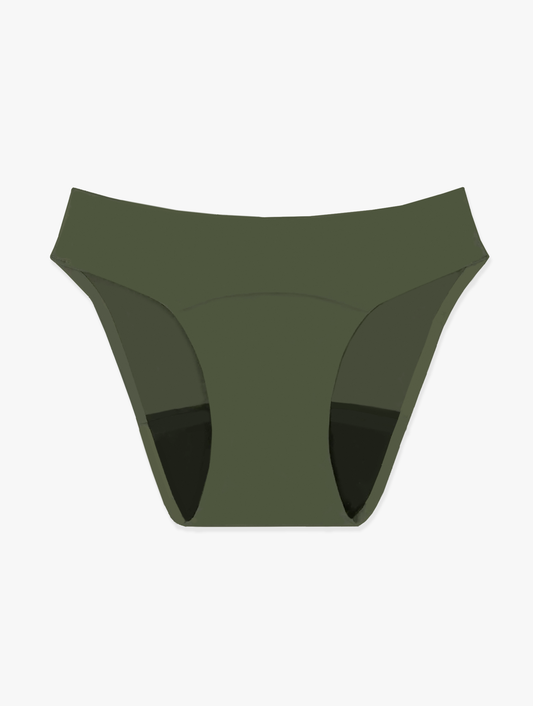
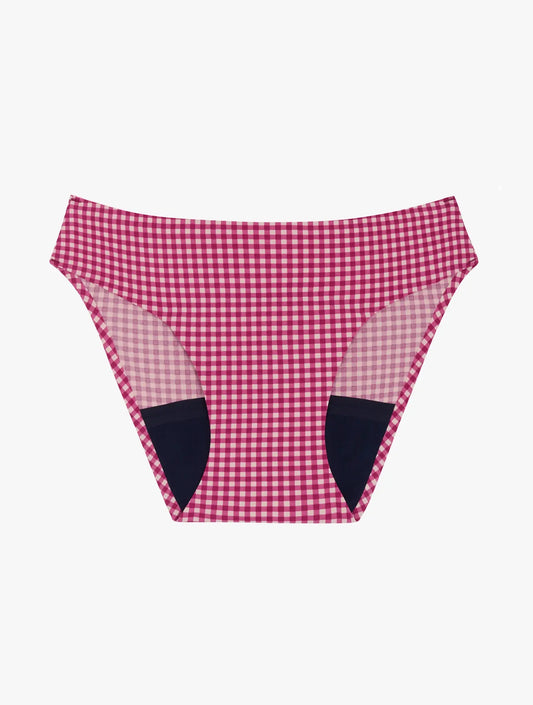
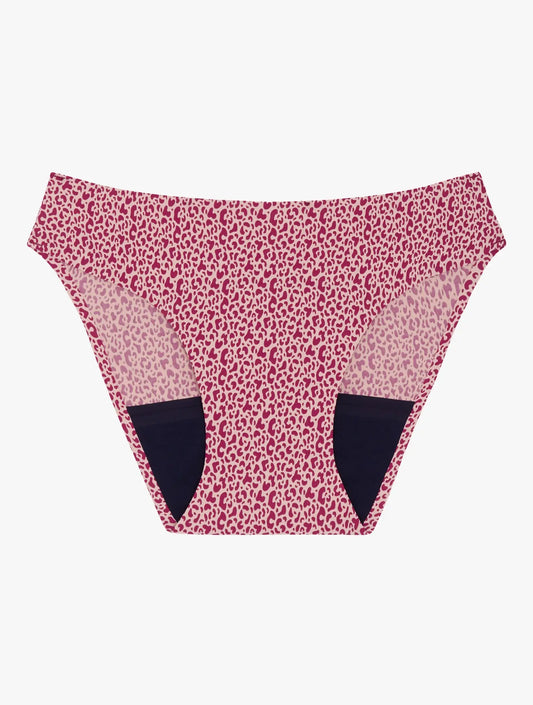
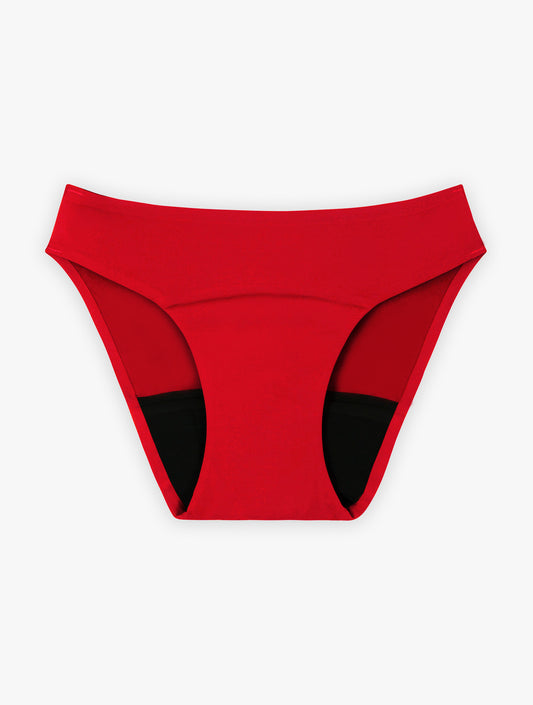
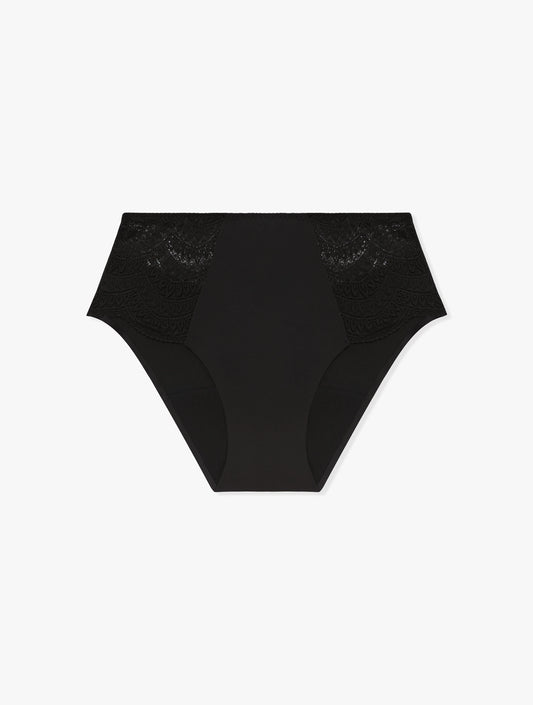
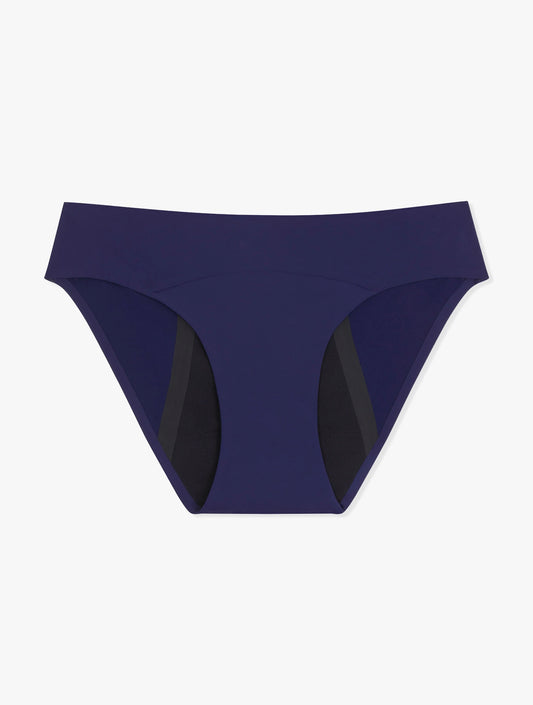
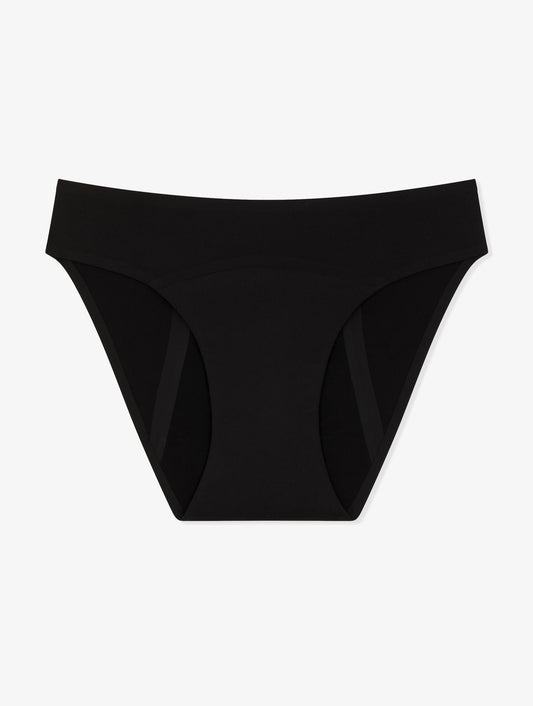
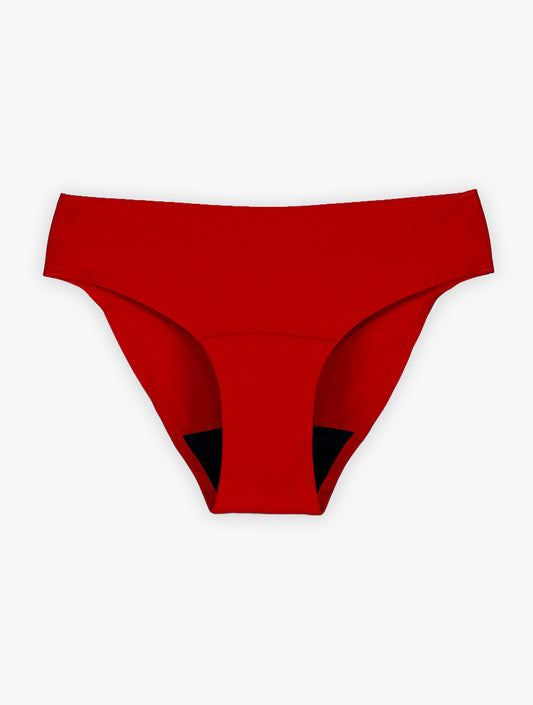
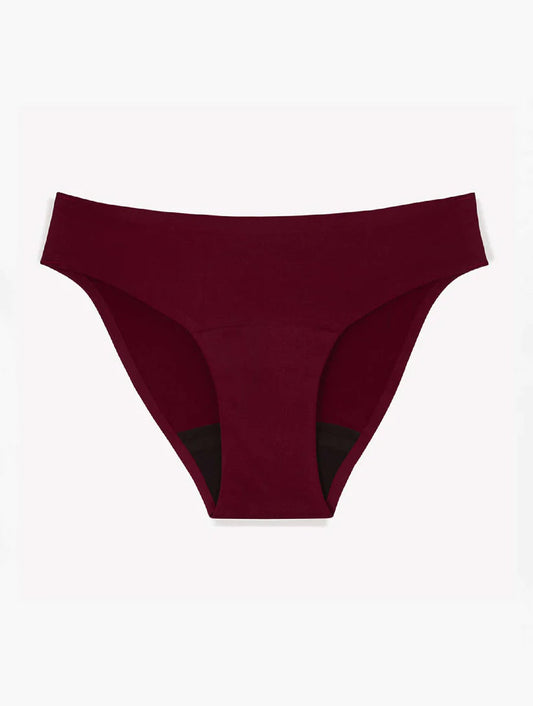
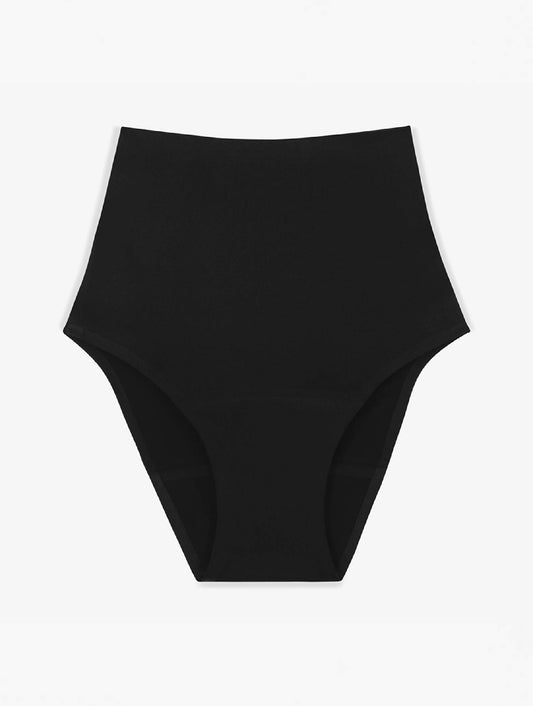
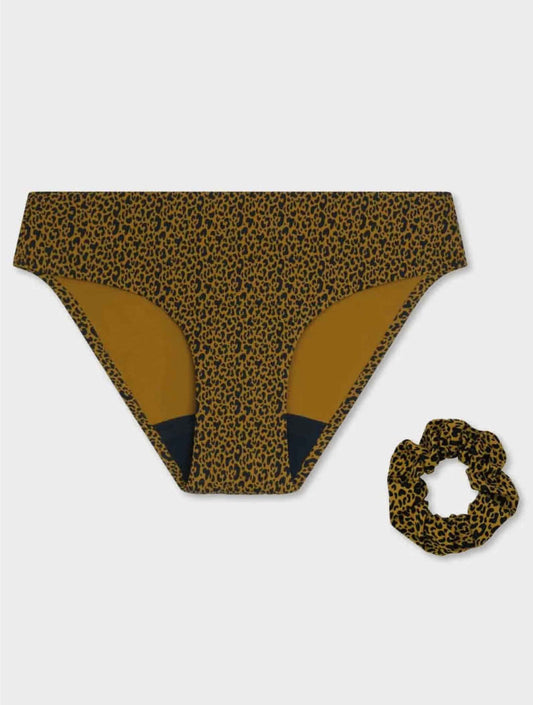
When your period arrives earlier than expected, comfort and preparedness are key. Menstrual underwear can be a discreet and reassuring option to wear preventively or at the start of your cycle—ideal for avoiding the stress of unexpected leaks. Washable pads or menstrual swimsuits are also gentle, budget-friendly, and reusable alternatives that adapt to cycle fluctuations.
Frequently asked questions about early periods
Are early periods serious?
In most cases, no. A one-time early period is often linked to stress, fatigue, or temporary hormonal variation.
Can early periods be a sign of pregnancy?
Generally, no—menstruation doesn’t occur at the start of pregnancy. If the bleeding looks unusual, a test can help clarify things.
How to tell the difference between spotting and a real period?
Spotting is light, brownish, and brief. Periods are red, heavier, and last several days.
When should I worry?
If you experience severe pain, very heavy bleeding, fever, or repeated short cycles.
Can the pill cause early periods?
Yes. Changing, stopping, or forgetting the pill can trigger early bleeding.
Key takeaways
Having your period early can be unsettling, but it’s a common occurrence. In most cases, it’s a temporary hormonal adjustment caused by stress or fatigue. Observing your cycle, listening to your body, and consulting a healthcare professional when in doubt will help you better understand what’s happening. With the right information and suitable protection, you can handle these changes calmly and confidently.