
Vaginal Flora: What Is It For and How to Take Care of It?
You know about the intestinal flora or gut microbiota, that collection of bacteria including the famous lactobacilli that protect our digestive system. Vaginal flora, on the other hand, is less well known. Yet it plays an equally essential role! It maintains the delicate bacteriological balance of the vaginal mucosa and protects it from infections and irritations.
What Is Vaginal Flora?
Contrary to what one might think, the vagina is not sterile at all! The vaginal mucosa is naturally inhabited by millions of microscopic living organisms, mainly bacteria such as lactobacilli (Döderlein bacilli), but also fungal organisms like Candida Albicans. This is called the vaginal microbiota or vaginal flora (Döderlein flora). Protective bacteria (probiotics) maintain the microbial balance of the flora and thus protect us from infections and yeast infections. They fight pathogenic germs by maintaining a suitable and stable pH between 4 and 4.5. Yes, if you remember your chemistry classes well, this means the vagina is an acidic area!
Vaginal flora is also very useful to the newborn passing through the mother's vagina at birth. The lactobacilli encountered along the way infiltrate the baby's body and seed its intestines. The little one will then be assisted, like all of us, by the mother's bacteria to digest food. Nature really does things well!
Causes of Vaginal Flora Imbalance
When the vaginal pH is disrupted, pathogenic germs – those rascals – take advantage to multiply and invade the vaginal mucosa. As a result, the risks of urinary infections (cystitis) and vaginal infections (bacterial vaginosis or trichomonas vaginitis) become much higher.
Vaginal flora imbalance (dysbiosis) can have several causes, including the main ones below:
- hormonal changes, especially at key moments in a woman's life (menstruation, pregnancy, menopause);
- taking medications such as antibiotics that reduce the protective power of bacteria and leave room for yeast infections to develop;
- certain habits like smoking, wearing non-breathable underwear, regular swimming in pools… as well as lack of sleep and exposure to stress. By the way, did you know? You can wear a menstrual swimsuit or teen menstrual swimsuit in the pool.
Symptoms of an Imbalanced Vaginal Flora
Generally, dysbiosis (an imbalance of the intimate flora) causes the following symptoms:
- thick and foul-smelling discharge;
- itching;
- burning sensations;
- irritations;
- pain during sexual intercourse.
Consequences of Vaginal Flora Imbalance
As we have seen, the decrease in lactobacilli and pH variations promote the proliferation of pathogenic germs in the vaginal microbiota. They can cause vaginal infections:
- bacterial vaginosis (vaginal infection causing grayish or white and foul-smelling discharge);
- trichomonas vaginitis (greenish or yellow foul-smelling discharge, accompanied by itching or irritation).
These two vaginal infections are treated with antibiotics.
Vaginal microbiota imbalance is also a common cause of certain diseases, such as urinary infections:
- cystitis (bladder inflammation caused by bacterial proliferation);
- urethritis (infection affecting only the urethra);
- pyelonephritis (kidney inflammation usually resulting from untreated or poorly treated cystitis).
How to Take Care of Your Vaginal Flora?
To know everything about intimate hygiene and take care of your vaginal flora, avoid excessive hygiene: one intimate wash, or two at most daily, is more than enough!
Do not use antiseptic products (unless prescribed by a doctor) and do not try to wash inside your body. Forget everything you have heard about vaginal douches: it’s false and dangerous. Your vagina is self-cleaning; Mother Nature really thought of everything! Only your vulva should be cleaned daily, and for this, you can use a simple mild, fragrance-free soap (no need for special intimate hygiene soap).
Also, some habits are important: for example, when you go to the toilet, wipe from front to back to avoid bringing pathogenic germs to your vulva.
To maintain or restore the balance of your vaginal microbiota, your gynecologist may prescribe lactobacilli in probiotic form. For enhanced action, you will likely be advised to rebalance your gut microbiota at the same time, as these two microbiotas are closely linked.

Vaginal Flora and Menstruation
Vaginal flora is particularly fragile and sensitive during hormonal changes and thus during menstruation. Indeed, estrogen levels decrease and vaginal pH rises. Some microbes, like mycoplasmas, also feed on blood. So what to do to avoid infections at this precise moment of our cycle? Choose the right hygiene products!
If you prefer tampons or cups, change them every four to six hours (to prevent vaginal infections and irritations) and avoid wearing internal protection at night. Indeed, they absorb menstrual blood, but not only that! The vaginal microbiota is also absorbed, which is why women using tampons are more prone to recurring yeast infections. If you are interested in this topic, feel free to read our article: Preventing and Naturally Treating a Vaginal Yeast Infection.
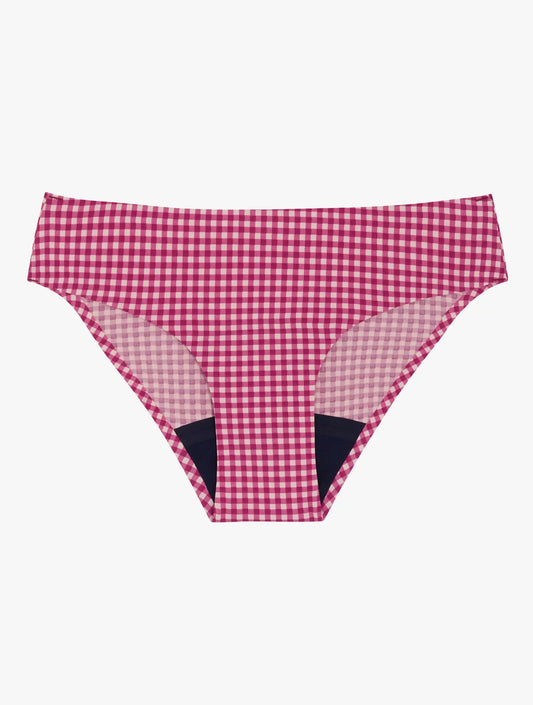
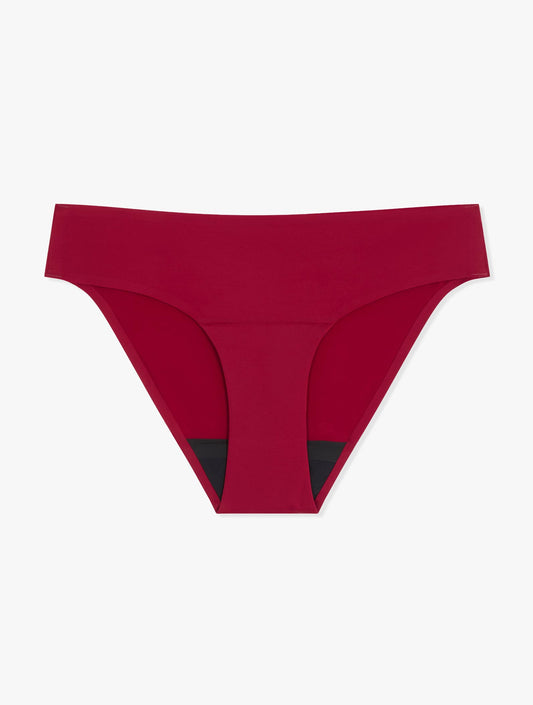
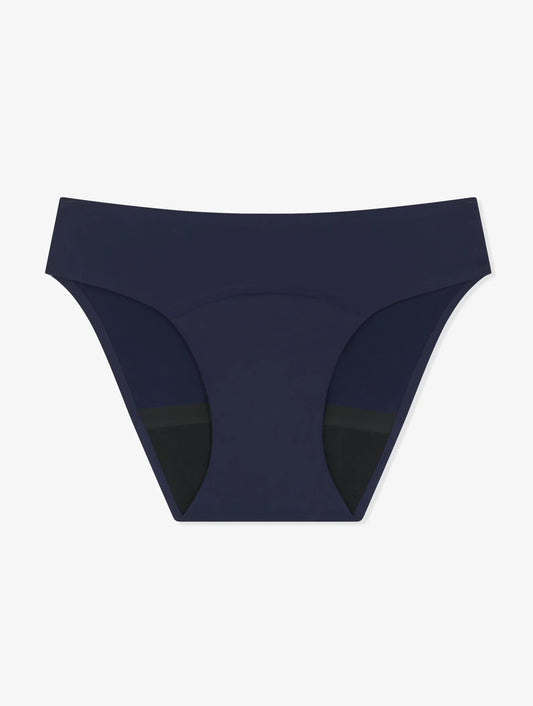
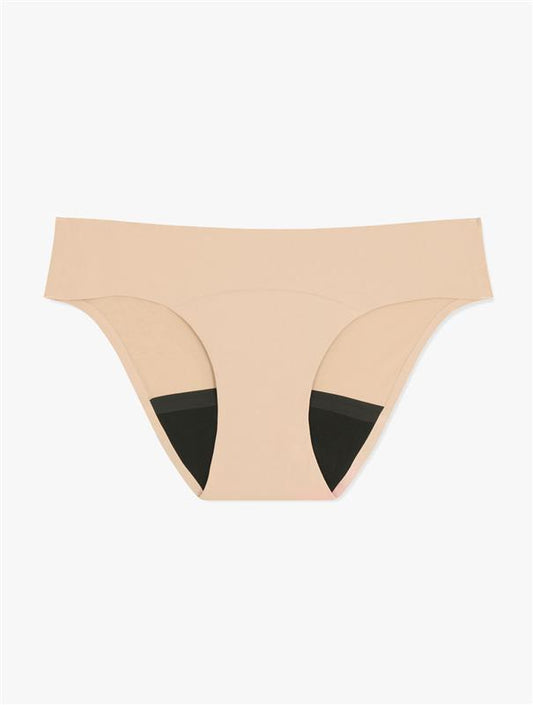
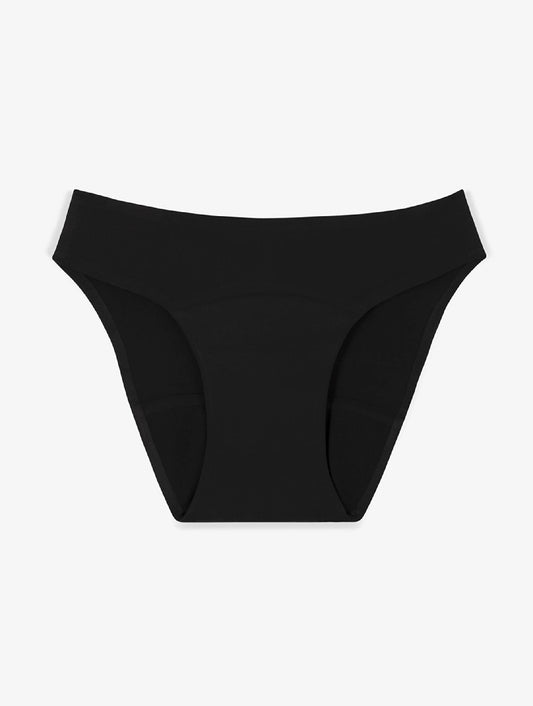
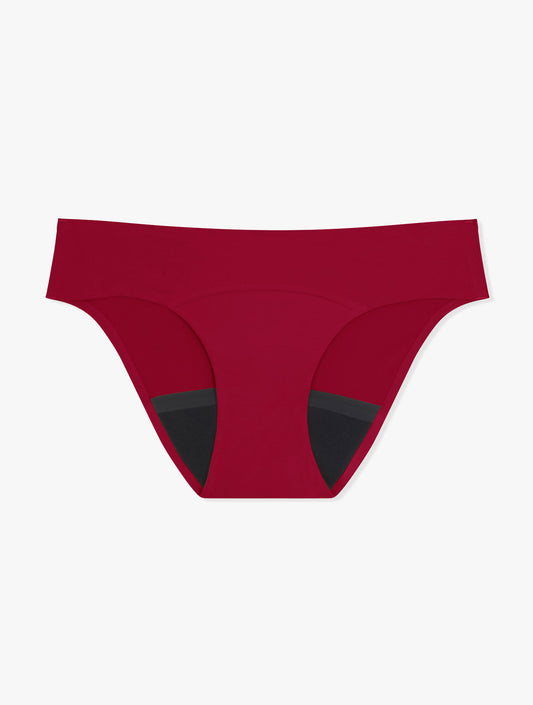
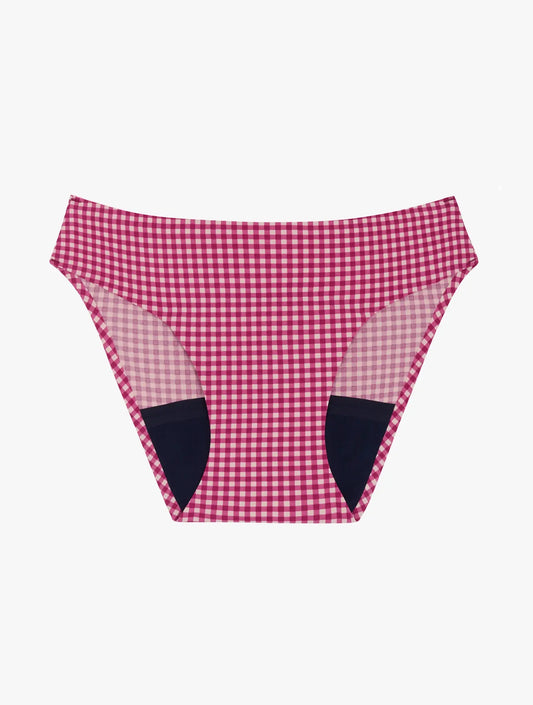
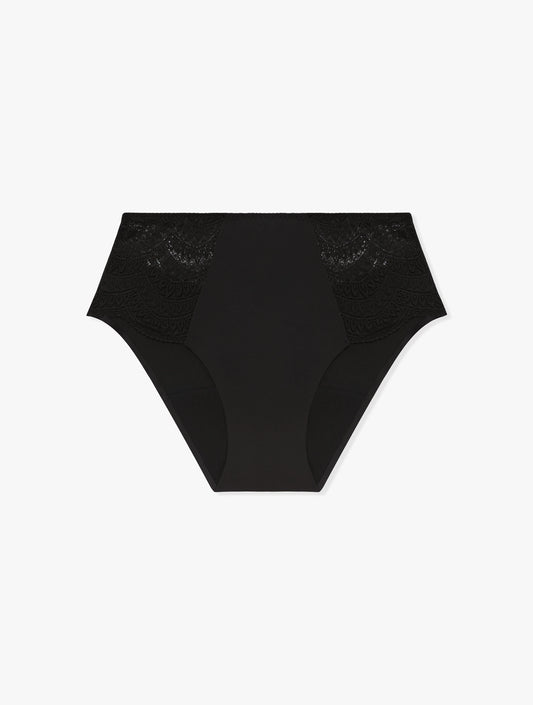
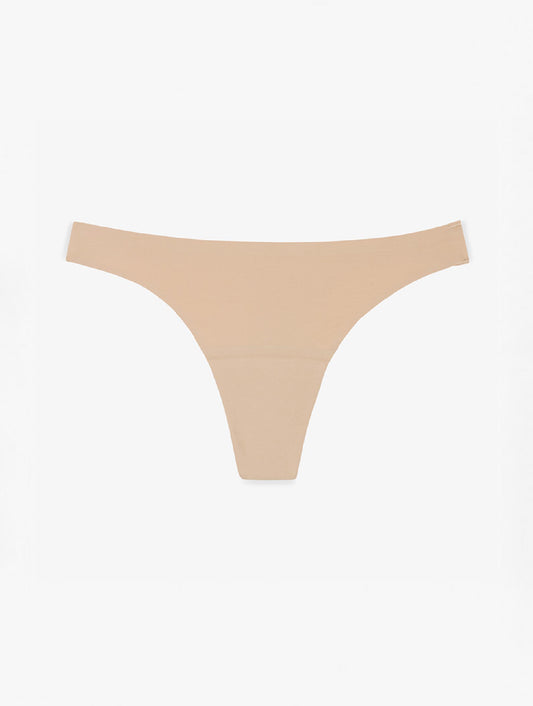
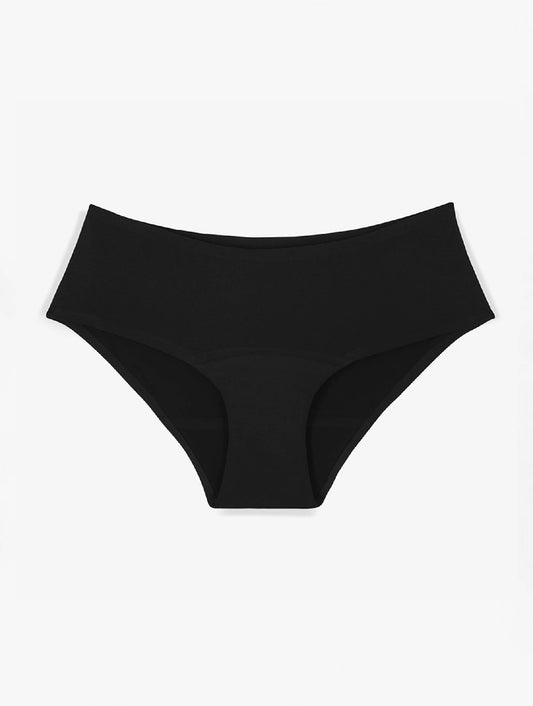
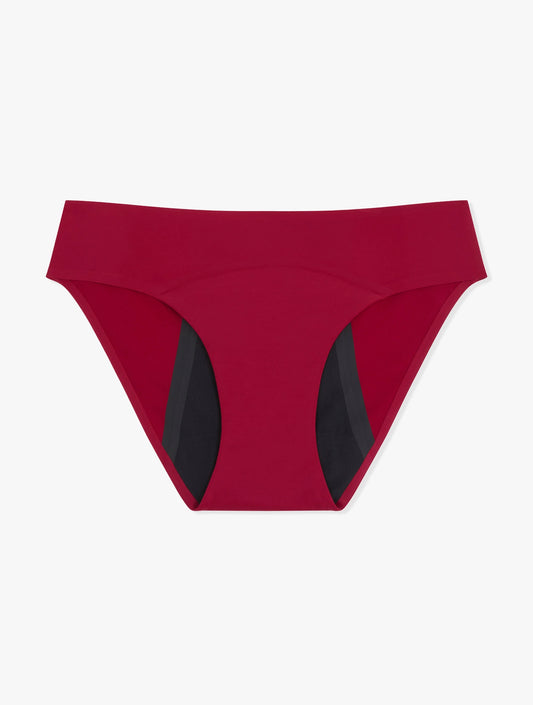
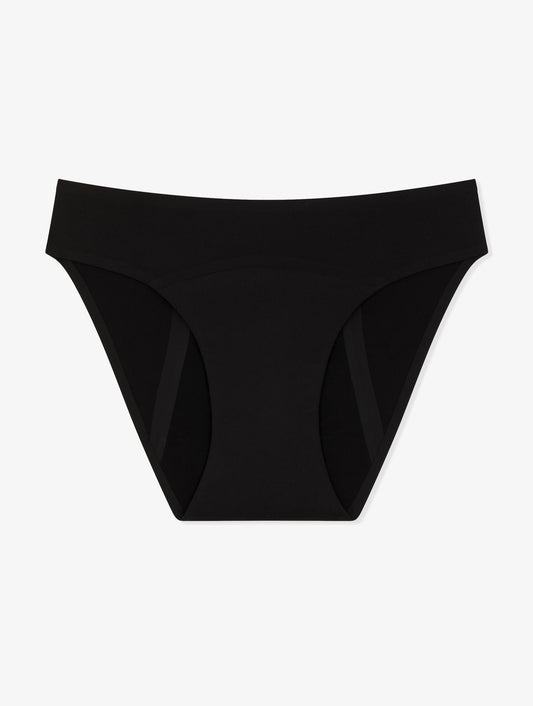
But if you prefer external protection, you are not off the hook! Scented sanitary pads should be avoided, as well as some air-impermeable pads that cause increased temperature and humidity – a climate favorable to bacterial growth. So choose 100% cotton sanitary pads that are more breathable, or better yet, menstrual panties that will keep you dry all day! :)
By Valérie