
Endocrine Disruptors: Enemies of Our Hormonal System
We regularly hear about these invisible enemies. Present in the air, in our food, our beauty creams, and even some menstrual products, endocrine disruptors disrupt our endocrine glands and hormones. But what are the risks? And how can we avoid them as much as possible?
Endocrine Disruptors: Who Are They?
The WHO defines them as: “a substance or mixture of exogenous origin that alters the functions of the endocrine system and thereby induces adverse health effects in an intact organism, its offspring, or (sub)populations.” Bless you! ;) In jargon, this means a chemical agent that interferes with the hormonal system (of humans or animals).
Let’s remember that our hormones are secreted by our endocrine glands and send messages through the bloodstream to our organs via their receptors, influencing their behavior. They regulate, among other things, our body temperature, hunger and satiety, our libido, sleep, heart rate, fat metabolism, insulin levels… and play a fundamental role during puberty. That’s quite a lot!
Endocrine disruptors attach to the receptors of our organs instead of our hormones, “imitating” them. But they induce ... inappropriate behaviors!
Where Are They Hiding?
“Voluntary” Endocrine Disruptors
- In Our Pharmacies
We can deliberately decide to deceive our hormonal system. This is the case when taking a contraceptive pill or a treatment for infertility. Also anabolic steroids (dangerous!) to increase muscle mass through testosterone.
And the Others…
- In Water
Synthetic hormones from contraceptive pills, certain antidepressants, and antibiotics that can disrupt the thyroid gland end up in our wastewater through the urine or feces of users and persist for years in the environment and tap water in tiny but significant amounts.
- In the Air
Fine particles released into the air by our factories and cars are among endocrine disruptors, as well as certain agents found in interior paints, some glues or varnishes, and even our carpets and bedding (polybrominated diphenyl ethers are almost always present…)
- In Food
Intensive farming and pesticides harm what we eat every day. Thus, endocrine disruptors are found in fruits and vegetables, certain fish ingesting plastic dumped into the oceans, some meats fed antibiotics, milk (same issue), eggs, and canned foods full of preservatives...
- In Cosmetic Products
40% of our hygiene and beauty products contain at least one endocrine disruptor. Shampoos, deodorants, toothpastes, creams, makeup removers, lip balms, foundation… and topping the list: nail polishes.
- In Our Packaging and Cookware
Damaged pans or pots containing Teflon, plastic baby bottles containing bisphenol A (a synthetic estrogen), aluminum soda cans… residues slip into our plates or baby’s milk.
- And… In Some Menstrual Products!
Although banned in Europe, lindane and quintozene are found in the composition of tampons and sanitary pads. Sometimes even glyphosate and hydrocarbons!
What Are the Consequences?
Without falling into paranoia, it’s important to know that constant exposure to certain endocrine disruptors can increase the risk of cancer. For babies and young children, growth can be hindered. In women, the menstrual cycle can be disrupted, and ovarian cysts may develop. In men, sperm are affected. Pregnant women are more vulnerable, as is the fetus, of course.
Fighting Endocrine Disruptors
We can limit our exposure to endocrine disruptors in several ways:
- by favoring organic food
- by checking the quality of water in our community and filtering it if necessary (note: choosing bottled water is not the solution: many mineral waters contain heavy metals and endocrine disruptors due to plastic packaging)
- by choosing organic cosmetics and monitoring the composition of others (ban parabens, oxybenzone, phthalates, resorcinol…)
- by cleaning at home with natural products (white vinegar, black soap, baking soda…) and avoiding plastic containers
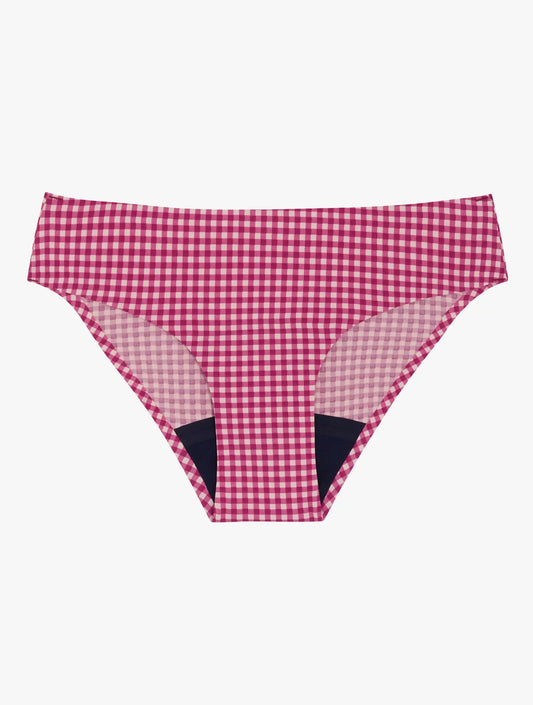
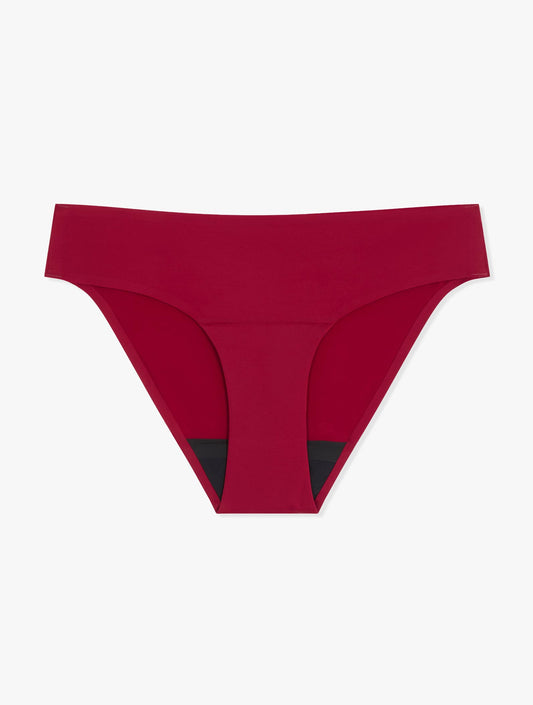
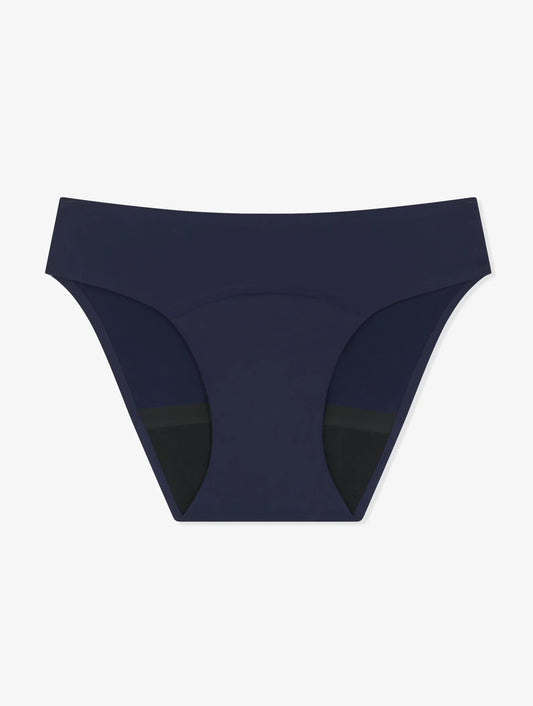
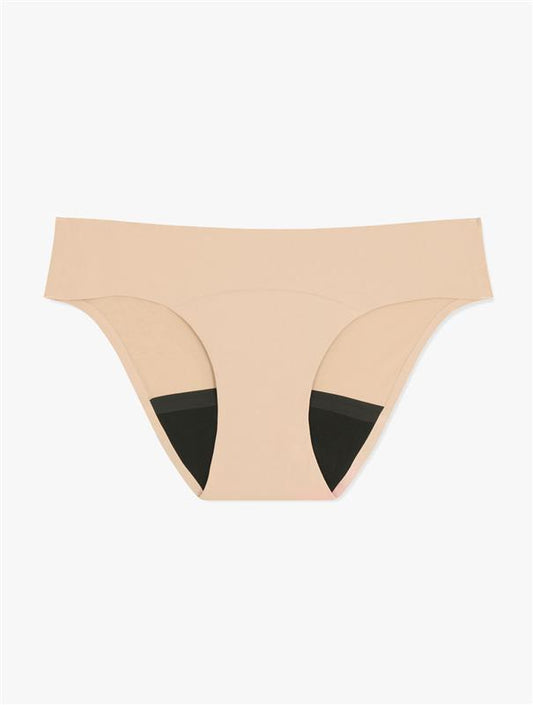
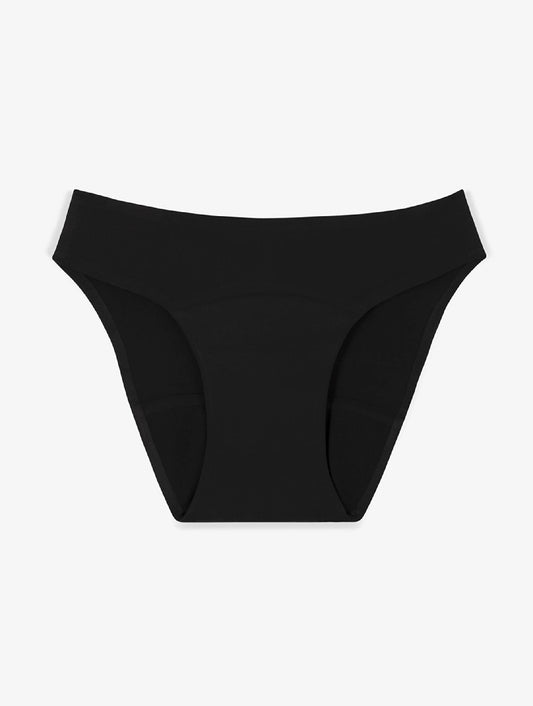
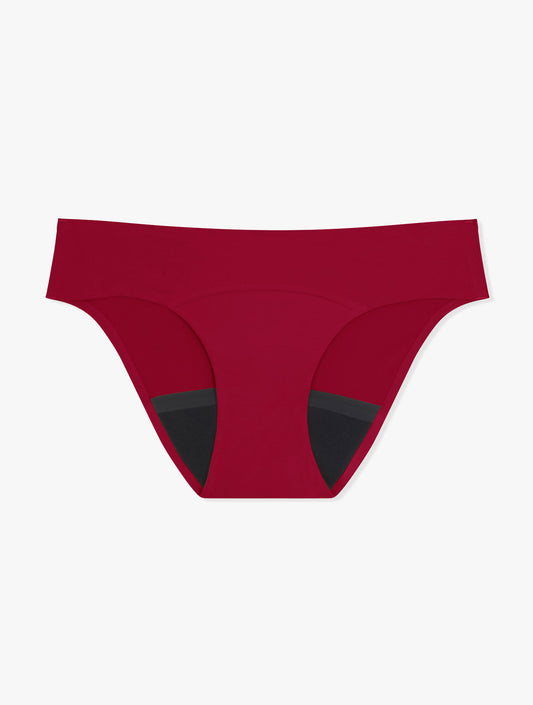
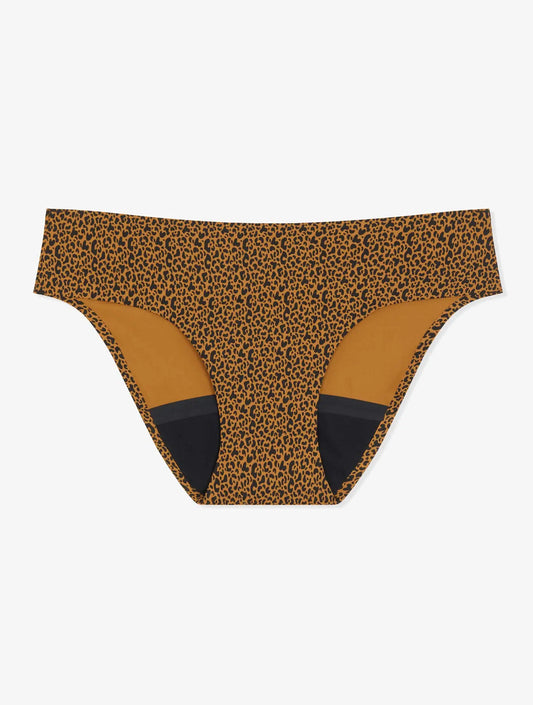
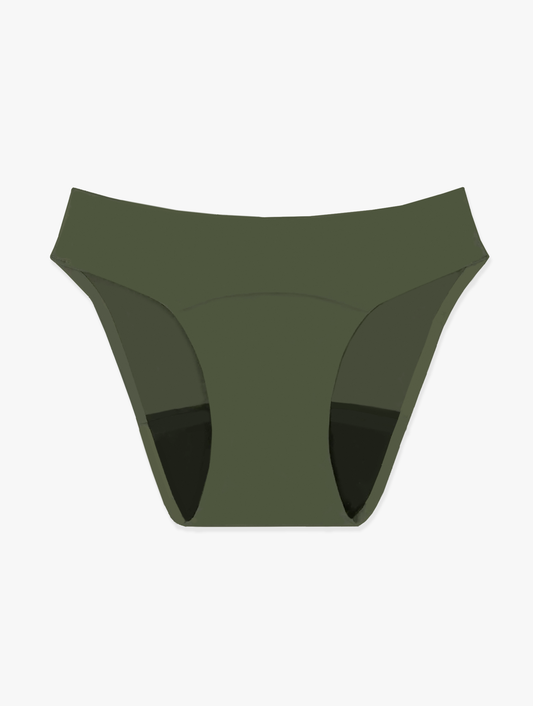
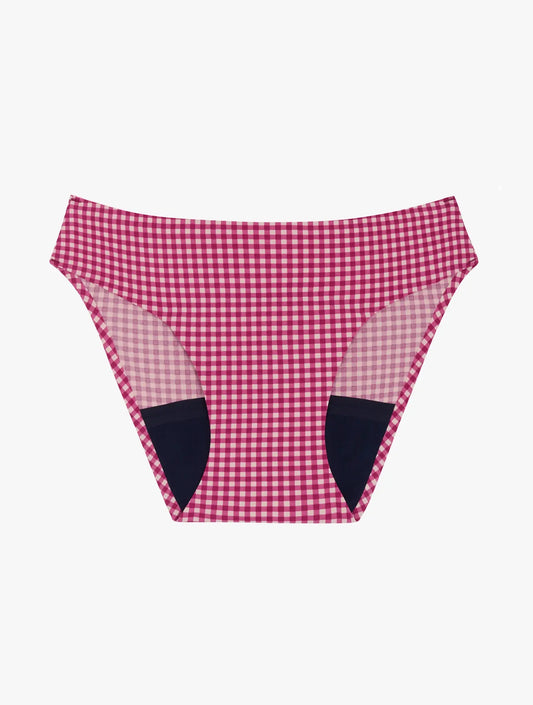
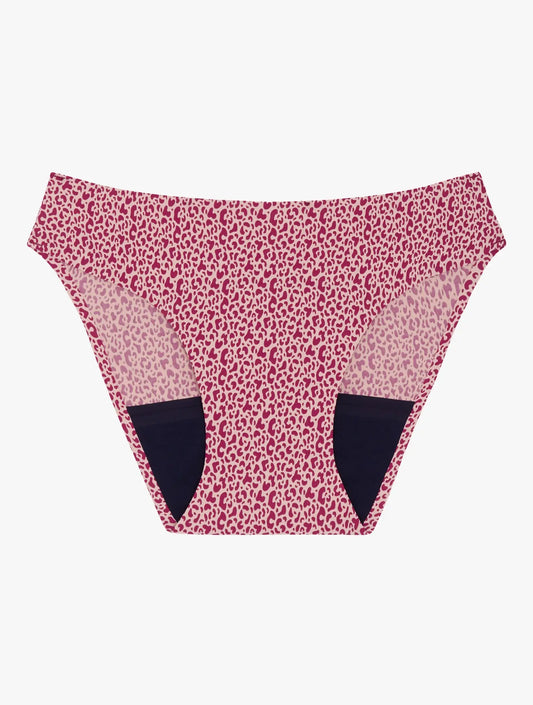
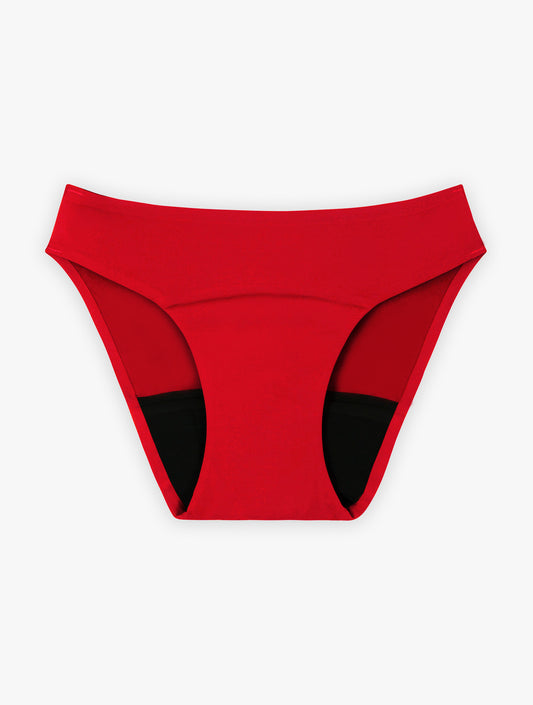
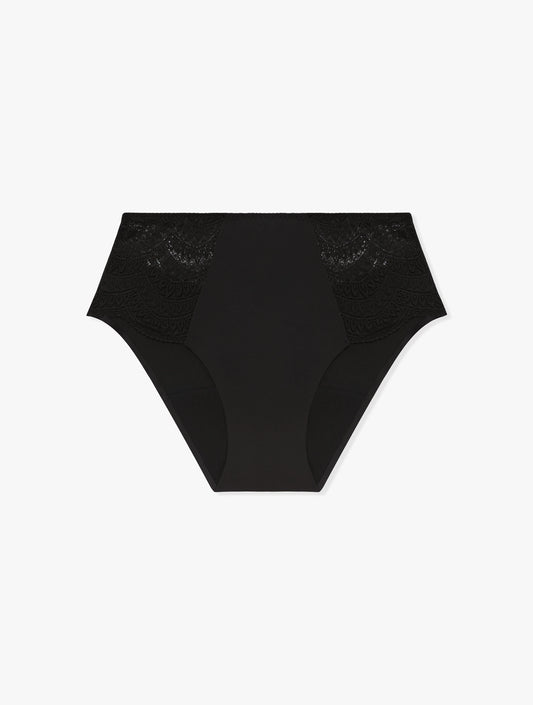
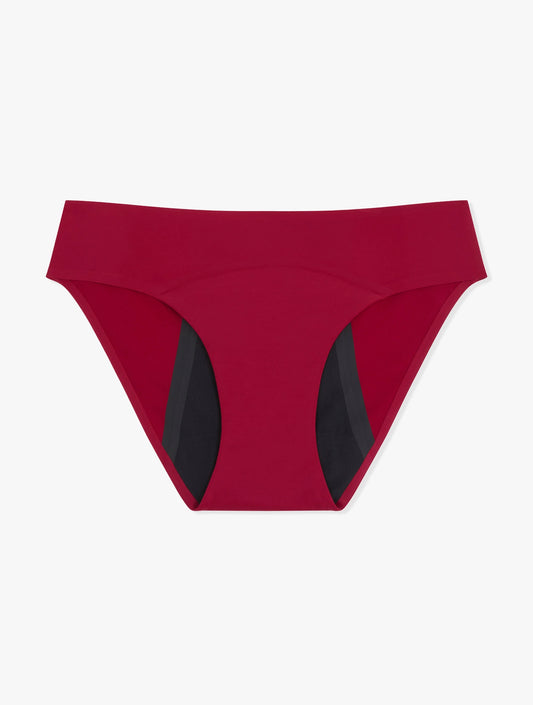
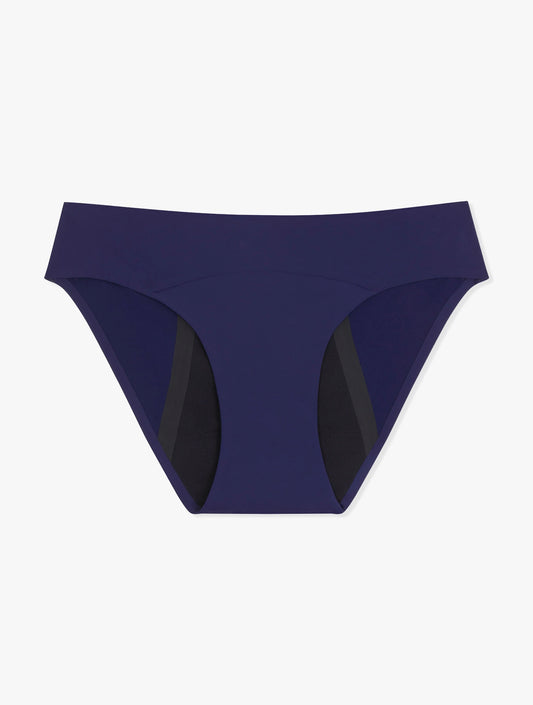
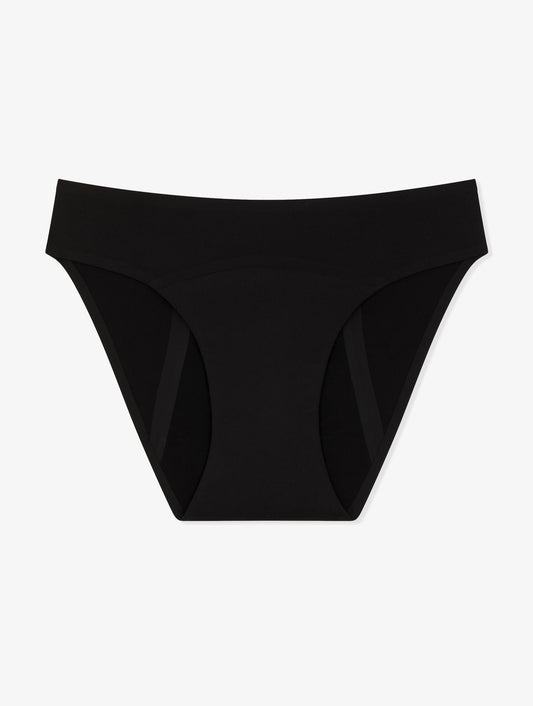
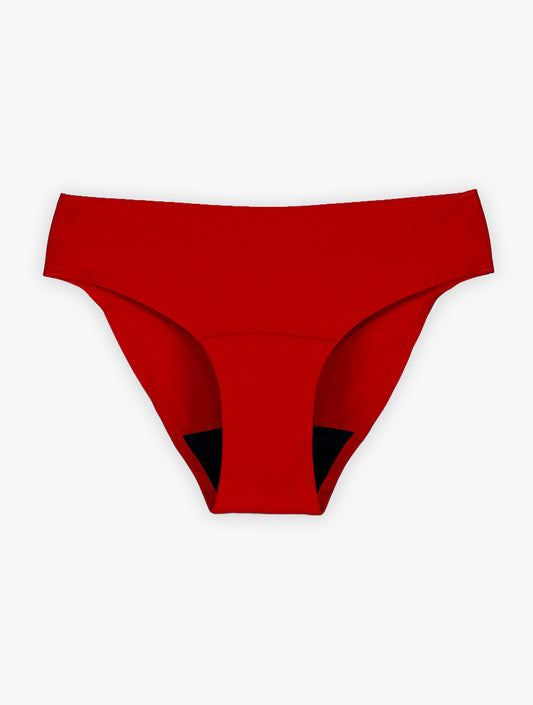
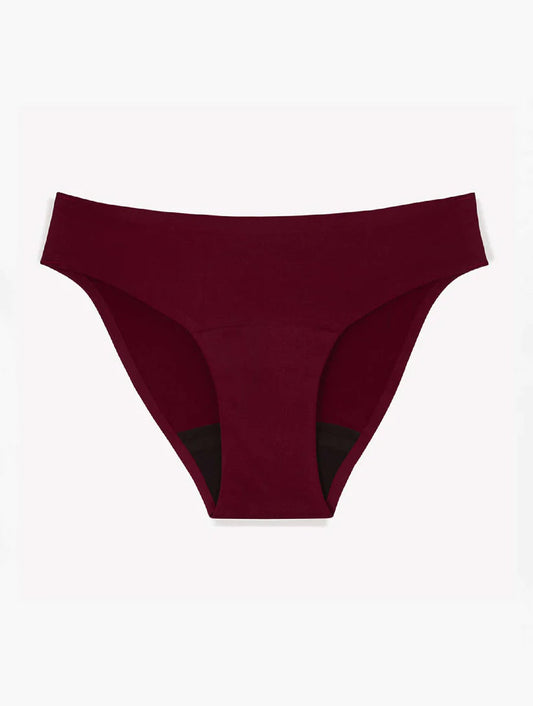
- by adopting safe menstrual products like the menstrual panties (also called period panties) and even menstrual panties for heavy flow if needed.
Take care of yourself, the planet, and your children!
By Élise