Stretch Marks and Pregnancy: Everything You Need to Know to Better Prevent Them
Pregnancy transforms the body in profound ways. The skin stretches, the belly grows, the breasts change and the number on the scale gradually increases. For many mums-to-be, the appearance of stretch marks quickly becomes a source of concern. Visible on the stomach, breasts, hips, thighs or buttocks, these marks are natural, common and completely painless. The good news: it is possible to take action, anticipate their appearance and reduce their visibility with the right care and simple daily habits. Let’s take a closer look.
What Are Stretch Marks and Why Do They Appear During Pregnancy?
Stretch marks are skin lesions caused by micro-tears in the collagen and elastin fibres located in the dermis. When the skin stretches rapidly, as it does during pregnancy, it loses elasticity and can crack deep below the surface. At first, stretch marks appear red or purple due to inflammation. Over time, they fade, becoming pearly-white and less visible, although they never disappear completely.
During pregnancy, stretch marks most commonly appear on the stomach, breasts, hips, thighs and buttocks. They affect 50% to 80% of pregnant women, even those who moisturise their skin daily. Harmless to your health, they can nevertheless change the body’s appearance, impact self-confidence and make the relationship with your post-partum body more delicate.
Risk Factors During Pregnancy
Several elements increase the likelihood of developing stretch marks during pregnancy :
-
Rapid weight gain, particularly in the second and third trimester
-
Hormones, especially cortisol, which reduces skin elasticity
-
Genetics, often the deciding factor
-
Naturally dry or less elastic skin
-
Significant stretching of the stomach and breasts in late pregnancy
Two pregnant women with the same weight gain and identical skincare habits can see different results. Individual predisposition plays a major role. Skin type, hydration levels, age and even how quickly the bump grows can all influence the appearance of stretch marks during pregrancy.
Can Stretch Marks Be Avoided?
Stretch marks are not always preventable, even when applying a stretch-mark oil twice a day. However, a consistent routine can help maintain skin elasticity, delay their appearance and reduce their intensity. The goal is not “zero stretch marks,” but more supple, more resilient and well-hydrated skin. Accepting that the body changes is also an important step towards experiencing pregnancy more peacefully.
Preventing Stretch Marks: Daily Skincare and Healthy Habits
Hydrate the Skin Daily
Apply a stretch-mark cream, oil or rich moisturiser to help maintain the skin’s hydration. Massage morning and evening using circular movements on the stomach, breasts, hips, thighs and buttocks for 2 to 3 minutes per area to stimulate circulation and boost absorption.
Massage to Stimulate the Skin
Massage supports microcirculation, improves skin suppleness and encourages tissue regeneration. The ideal technique: small circular motions combined with gentle kneading, without pulling on the skin.
Encourage Gradual Weight Gain
Weight gain is a natural part of pregnancy. The goal is not to restrict it, but to avoid very rapid changes, which weaken collagen and elastin fibres.
Hydrate From Within
Drinking enough water and eating foods rich in vitamin E, omega-3, zinc and antioxidants helps the skin resist stretching. Internal hydration supports firmness and suppleness just as much as topical care.
Anti-Stretch-Mark Routine (Morning / Evening / Weekly)
-
Morning: apply a moisturising cream or targeted skincare to clean skin, focusing on the stomach, breasts and hips.
-
Evening: massage for a few minutes with a plant-based oil to soften the skin and improve elasticity.
-
Once a week: gently exfoliate to promote cell renewal and improve product absorption.
This simple ritual supports skin elasticity and helps limit tightness, which is often linked to the development of stretch marks during pregnancy.
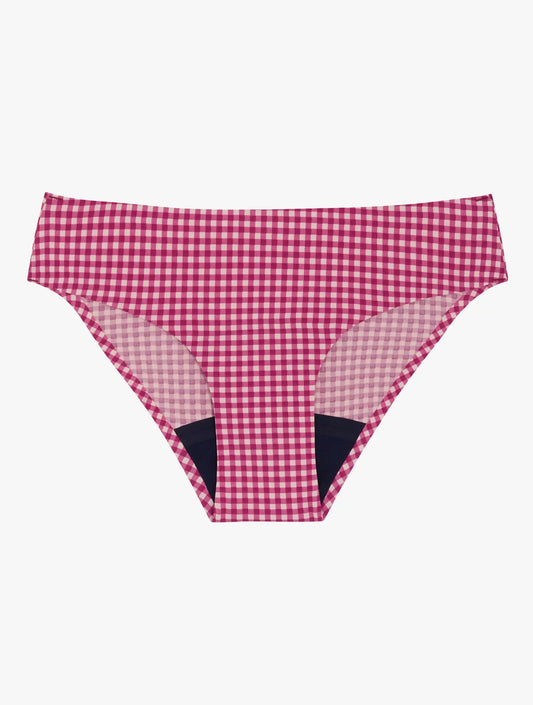
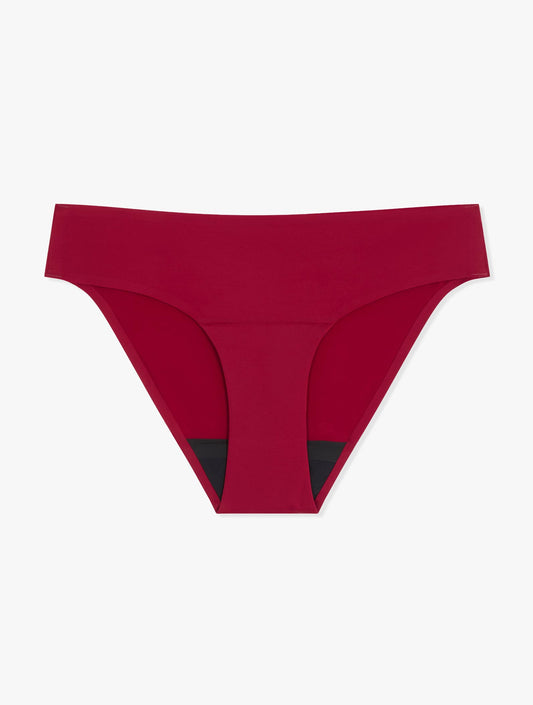
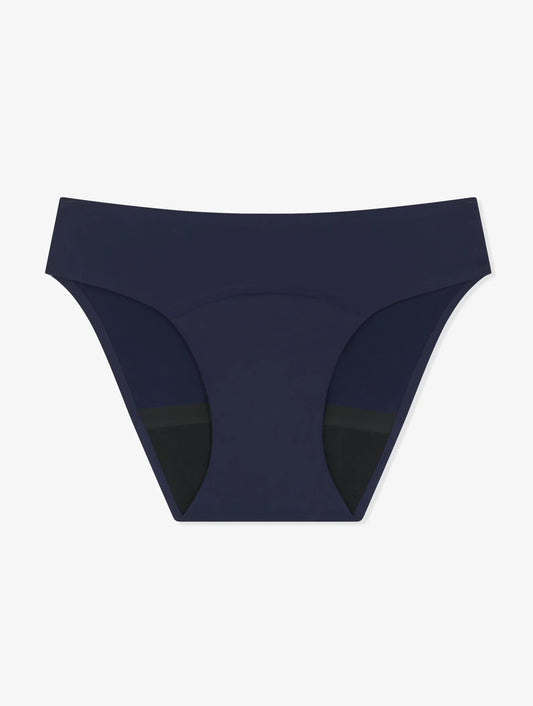
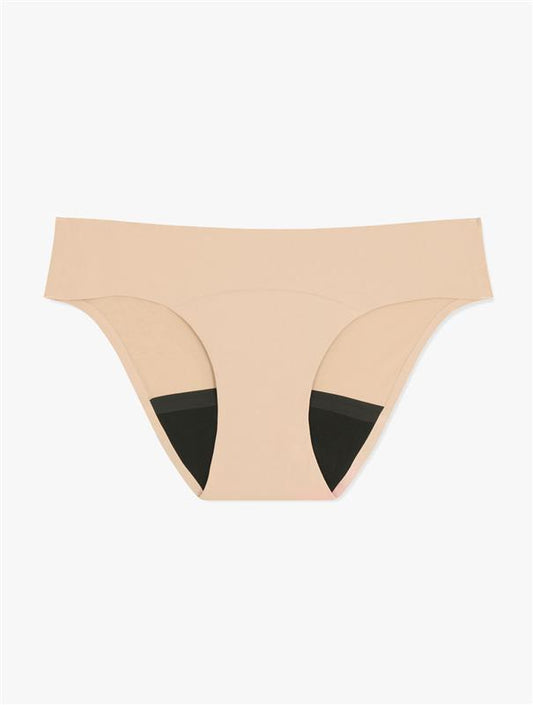
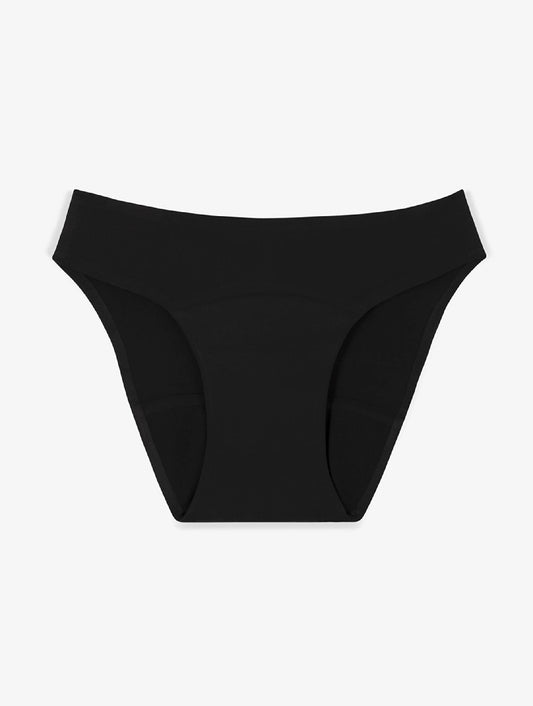
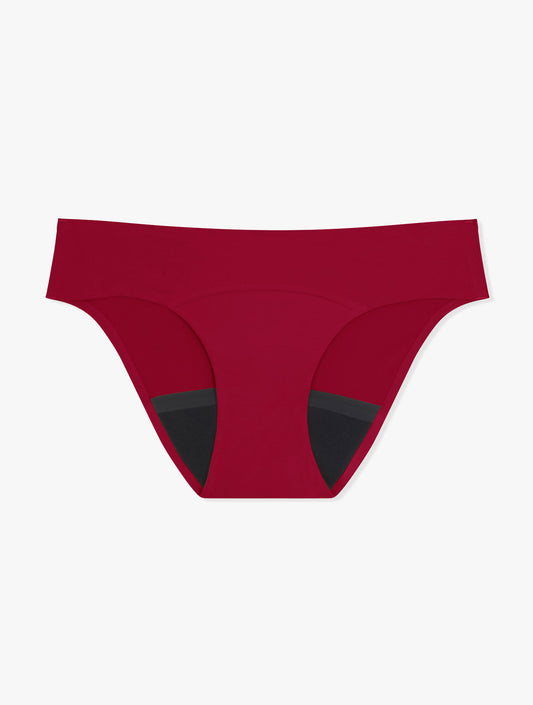
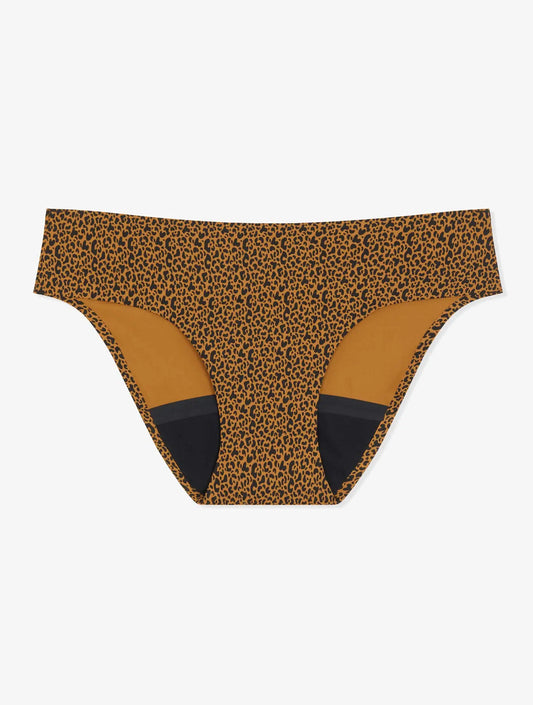
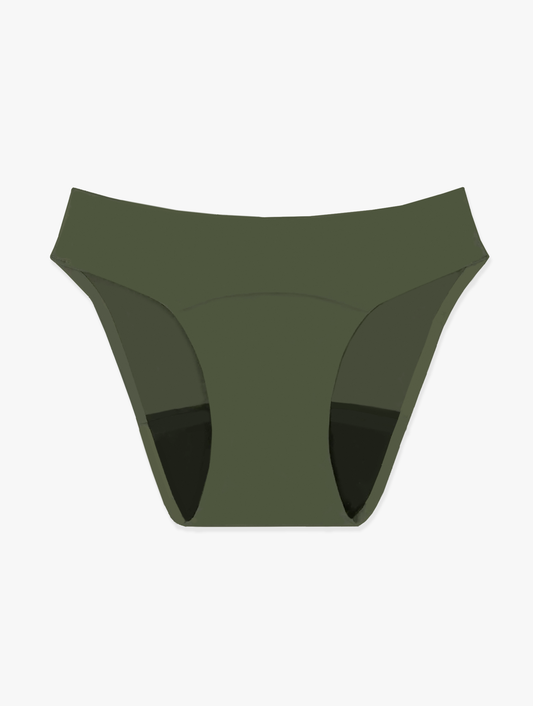
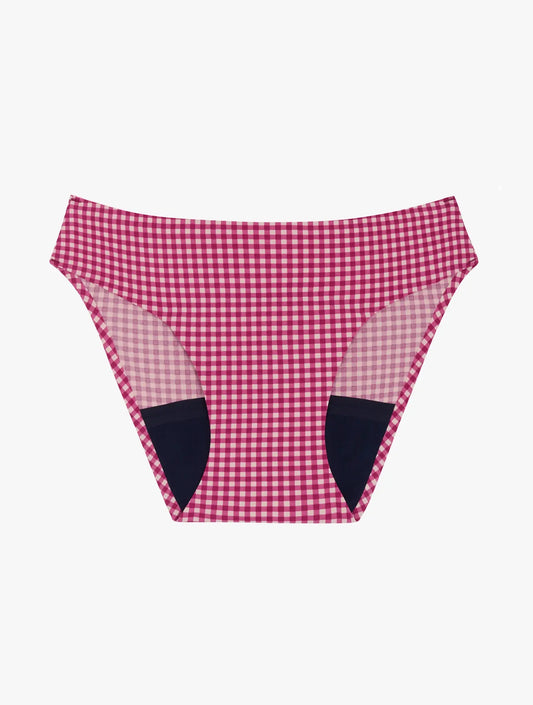
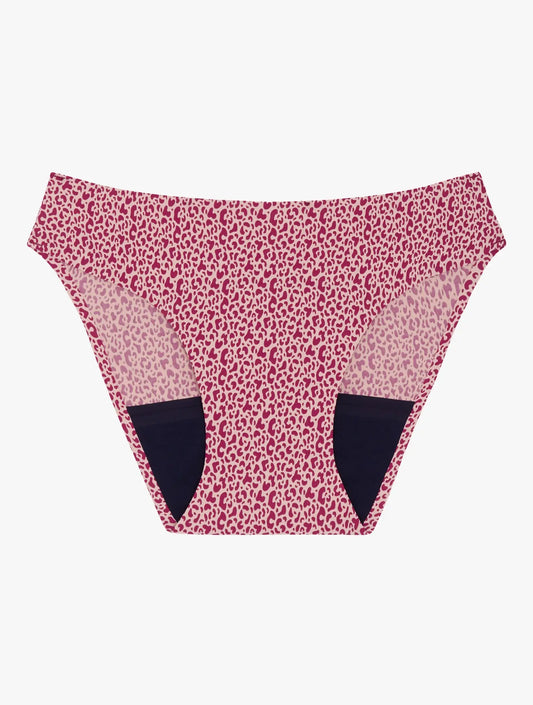
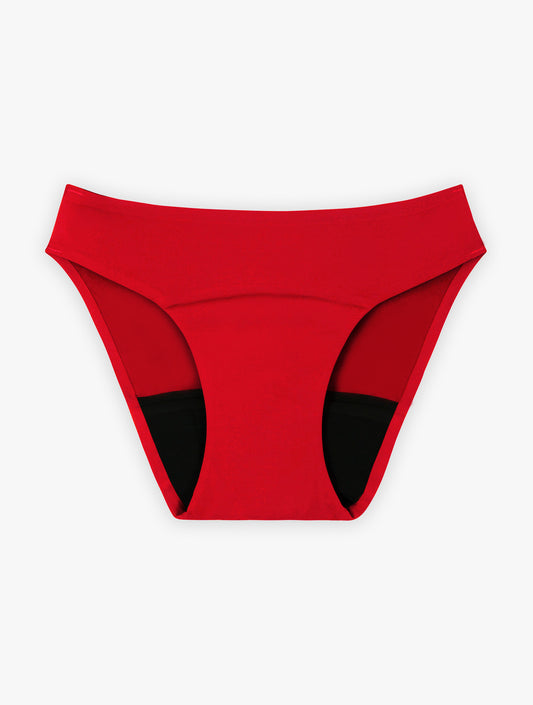
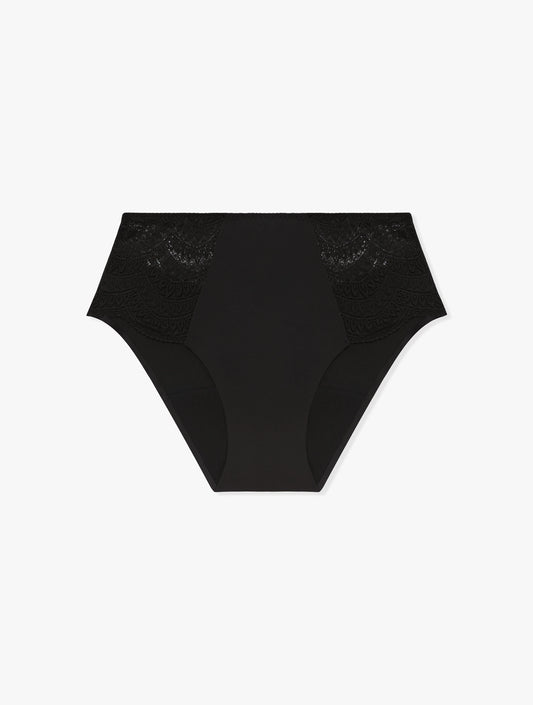
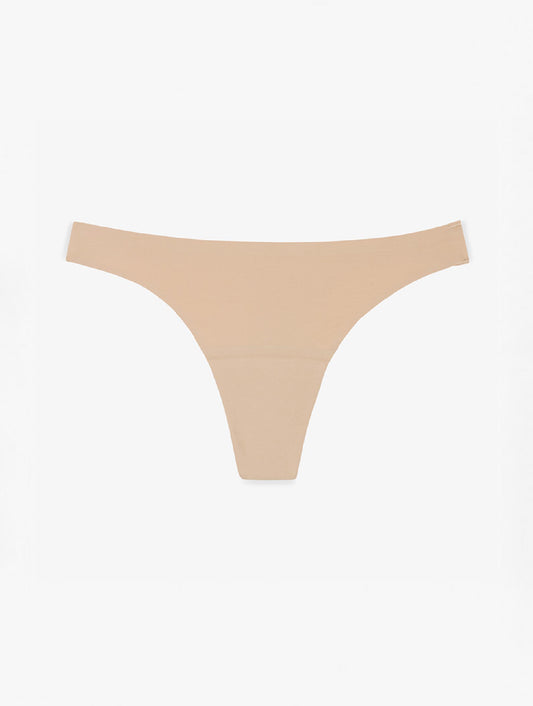
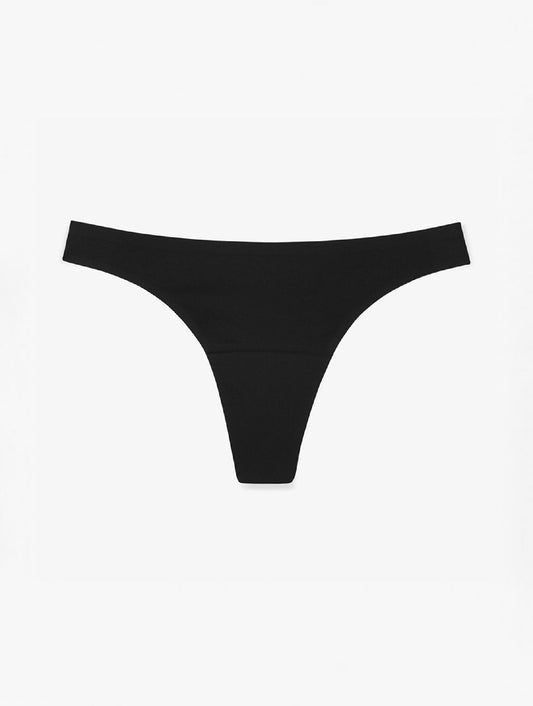
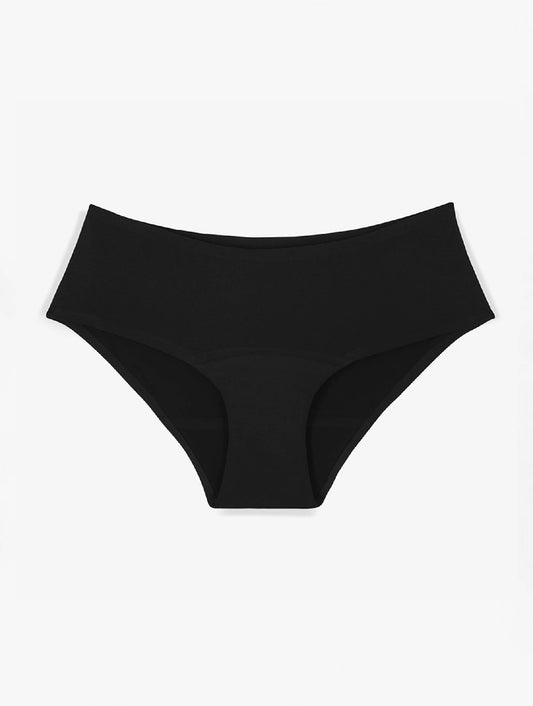
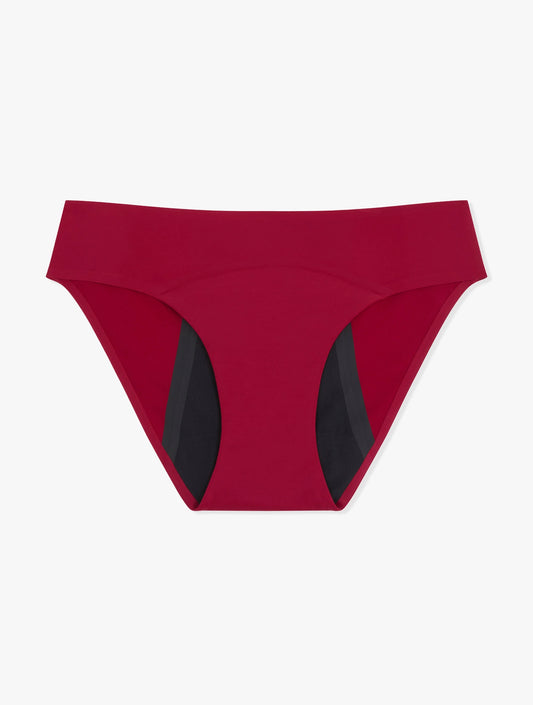
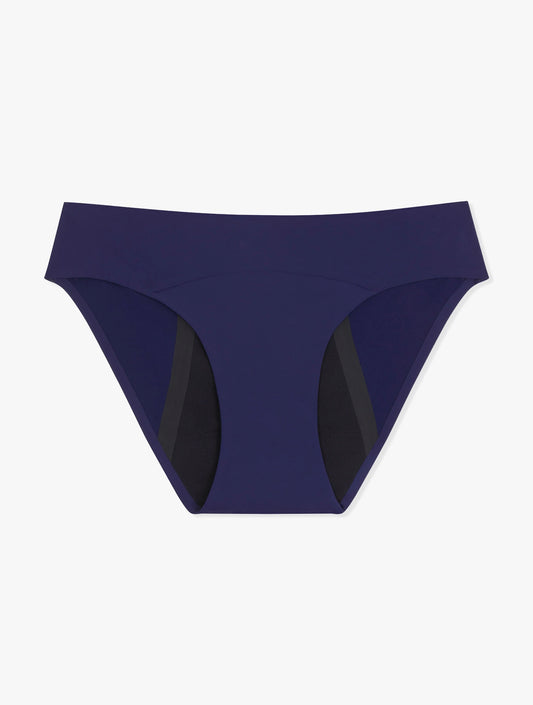
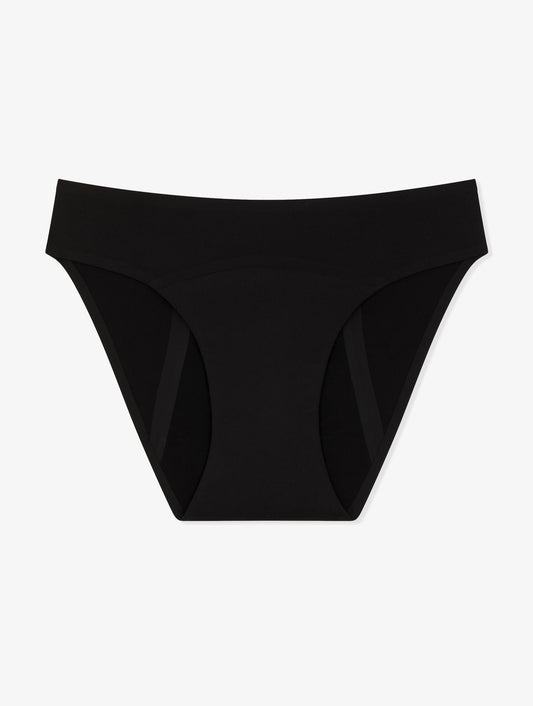
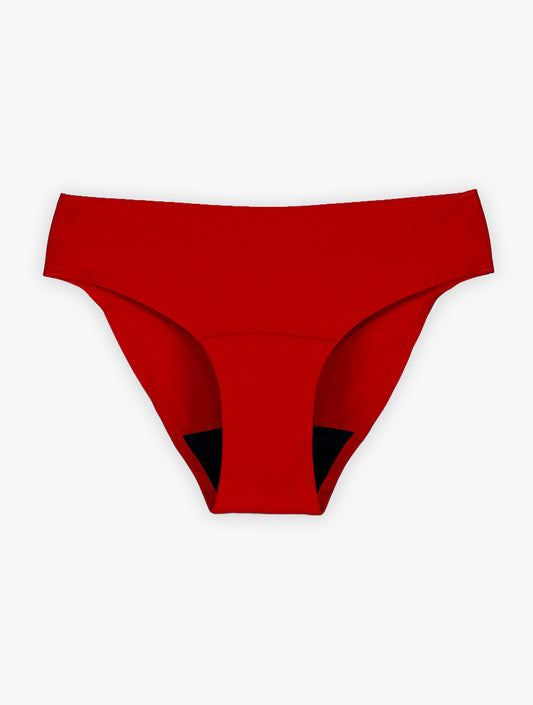
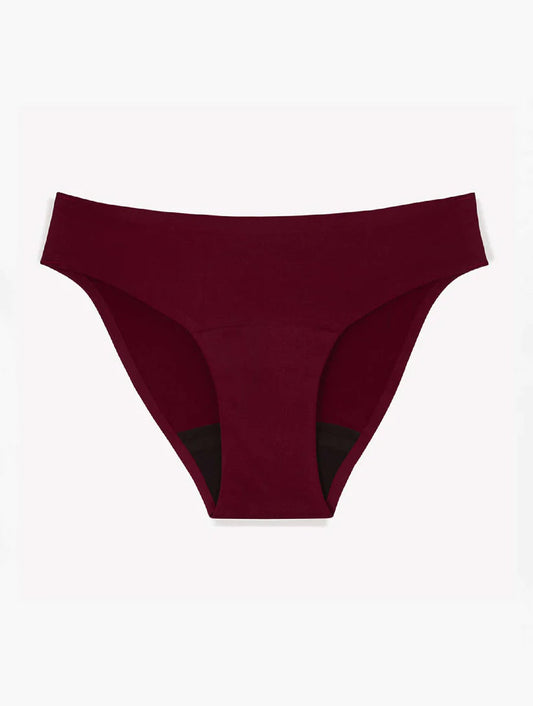
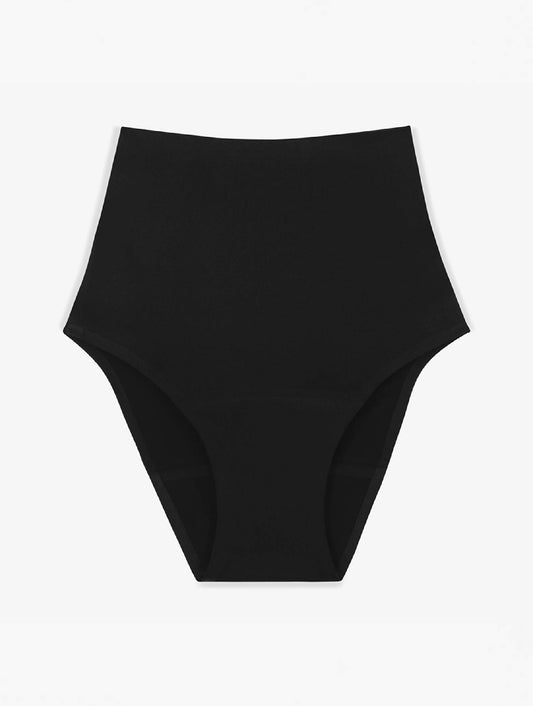
Tip: some mums-to-be also choose soft, menstrual panties during pregnancy to avoid friction and irritation on the belly.
Products and Ingredients to Favour
Certain plant oils are known for their nourishing and softening properties: sweet almond oil, avocado oil, rosehip oil or shea butter. Some stretch-mark creams combine these ingredients with active compounds such as hyaluronic acid, which help improve elasticity. What matters most is regular massage rather than searching for a miracle product.
Natural and Medical Solutions After Pregnancy
Once pregnancy stretch marks are established, they can fade but not disappear completely.
-
Natural approaches: massage, gentle exfoliation, continuous hydration
-
Medical approaches (after pregnancy and breastfeeding): laser, radiofrequency or microneedling, under dermatological supervision
Red stretch marks respond best to treatment. White, older stretch marks are more resistant. Patience is key — the skin continues to evolve for several months after birth.
FAQ: Stretch Marks During Pregnancy
Are stretch marks inevitable?
Not always, but they are very common during pregnancy. Well-prepared, well-hydrated skin can limit their formation.
When should I start applying stretch-mark care?
From the beginning of pregnancy, before the skin is stretched to its maximum. The earlier the skin is supported, the more supple it remains.
Will my stretch marks fade?
Red stretch marks have the greatest chance of fading with time, consistent care and, if needed, dermatological treatment.
Which ingredients should I look for in stretch-mark care
Plant oils (sweet almond, avocado, rosehip), vitamin E, shea butter, hyaluronic acid.
Can white stretch marks disappear completely?
They can soften, fade and become less visible, but they cannot fully disappear. Regular care can still visibly improve their appearance.
Key Takeaway: Stretch Marks and Pregnancy
Stretch marks during pregnancy are part of the body’s natural transformation during pregnancy. They result from rapid stretching of the skin combined with hormonal changes and weight gain. While they can affect the appearance of the body, their development can be slowed, limited or softened through consistent hydration, massage, a suitable routine and a balanced diet. The most important thing is to care for your skin with kindness and to remember that every pregnancy is unique. These marks tell a story the story of a body giving life, and they deserve to be viewed with softness, not judgment.